Produce 1 16x12 analogue print using the sinar 5x4 cameras about "
The aim of producing a still life that communicates
something about your presence in the world"
something about your presence in the world"
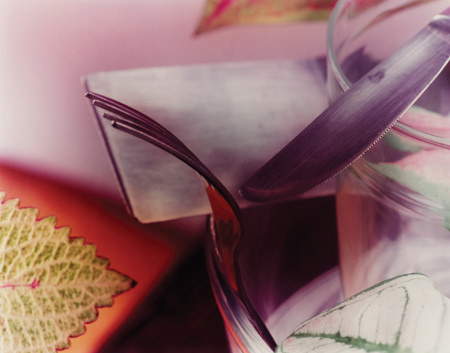
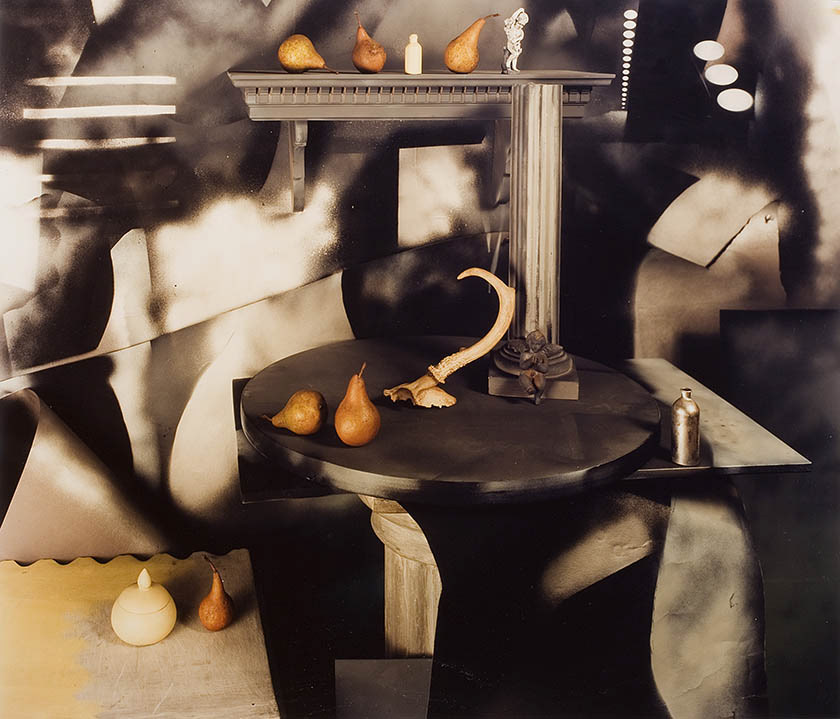
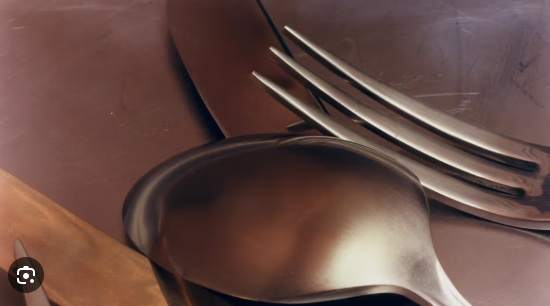
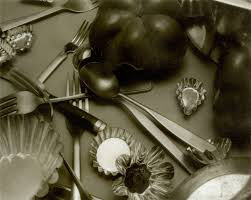
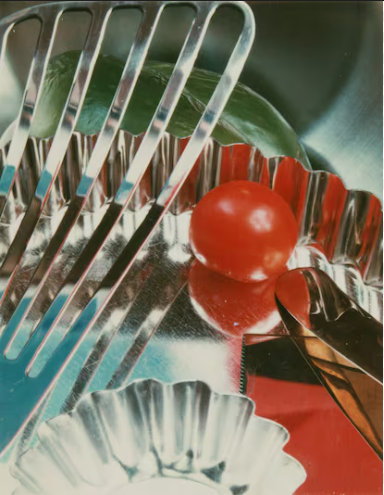
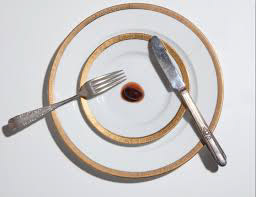
Jan Groover was an american photographer born in 1943. She started doing photography in the early 1970s after spending prior years as a painter. This painting experience is seen clearly in her work with a paint like style using lighting to create low "clarity" looks to her images as well as careful composition using shadows, reflections, and colours to make the scenes dramatic and question wether the objects are real or not. FOr example the first image uses both colours and shadows to make the viewer wonder what these basic household objects are, using a smudging technique which may have been done with a filter on camera or during development to keep the form of the objects as they are but bringing the colours into the shadows to make them feel soft.
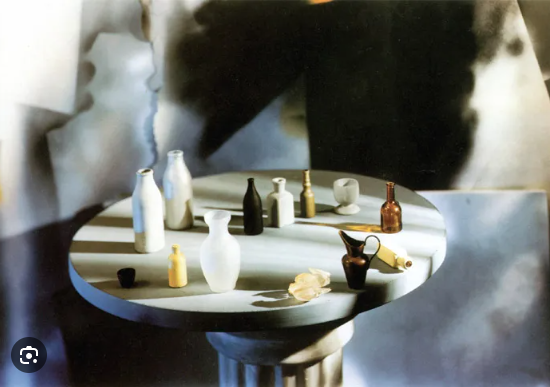
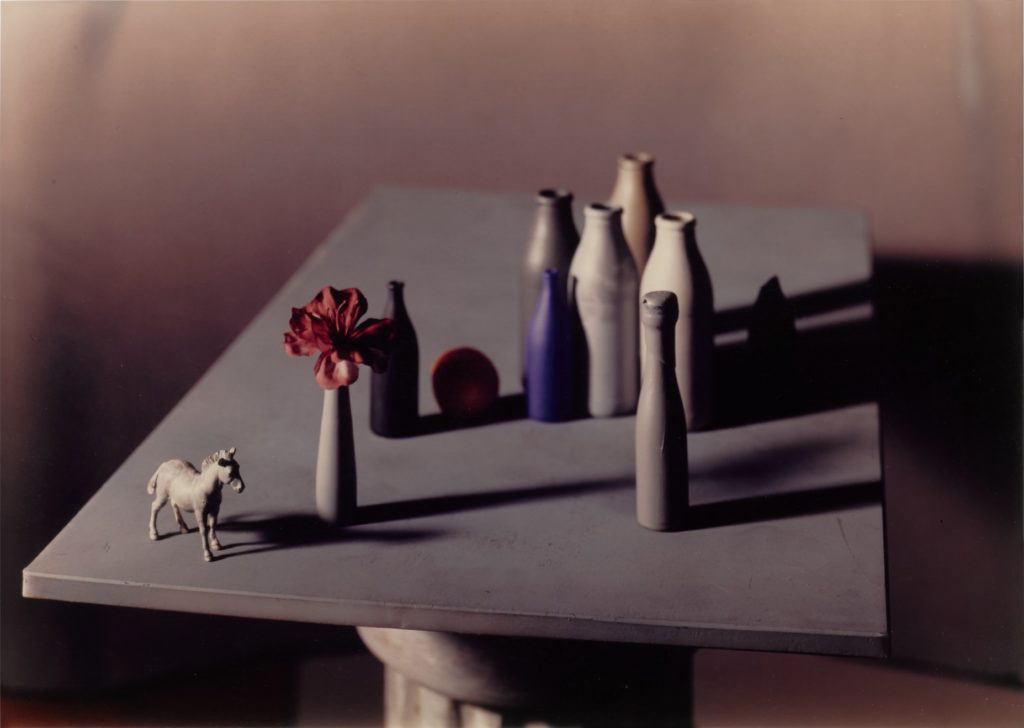
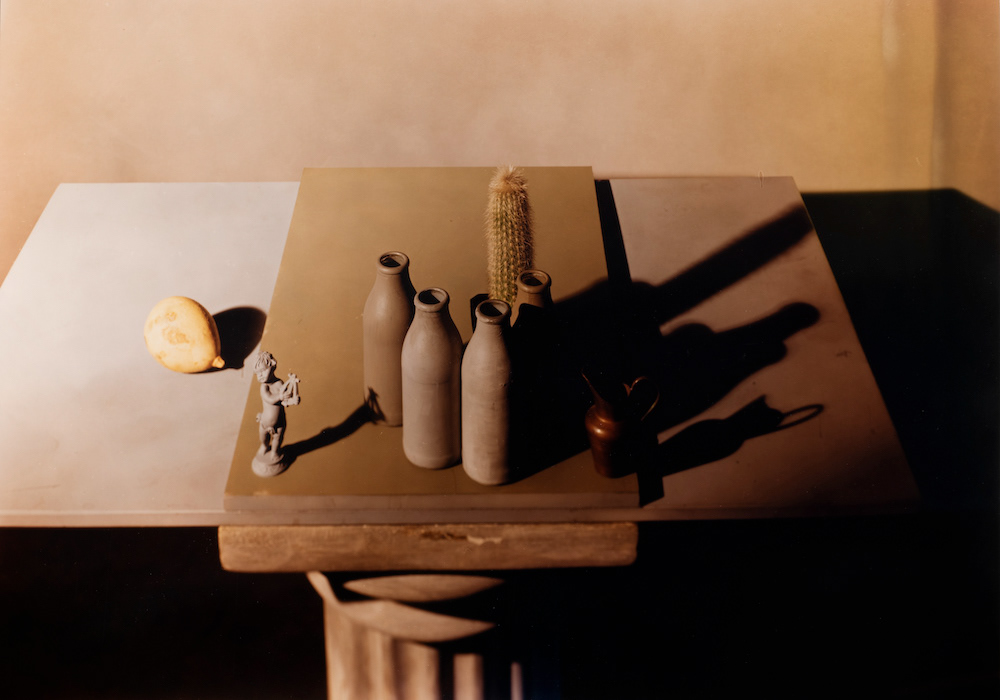
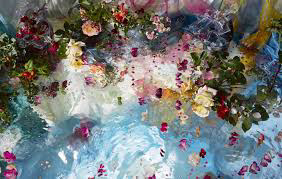
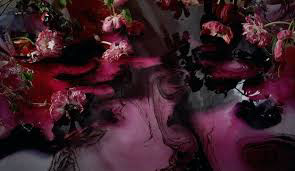
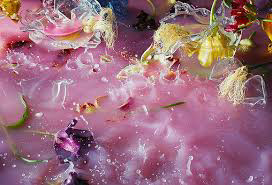
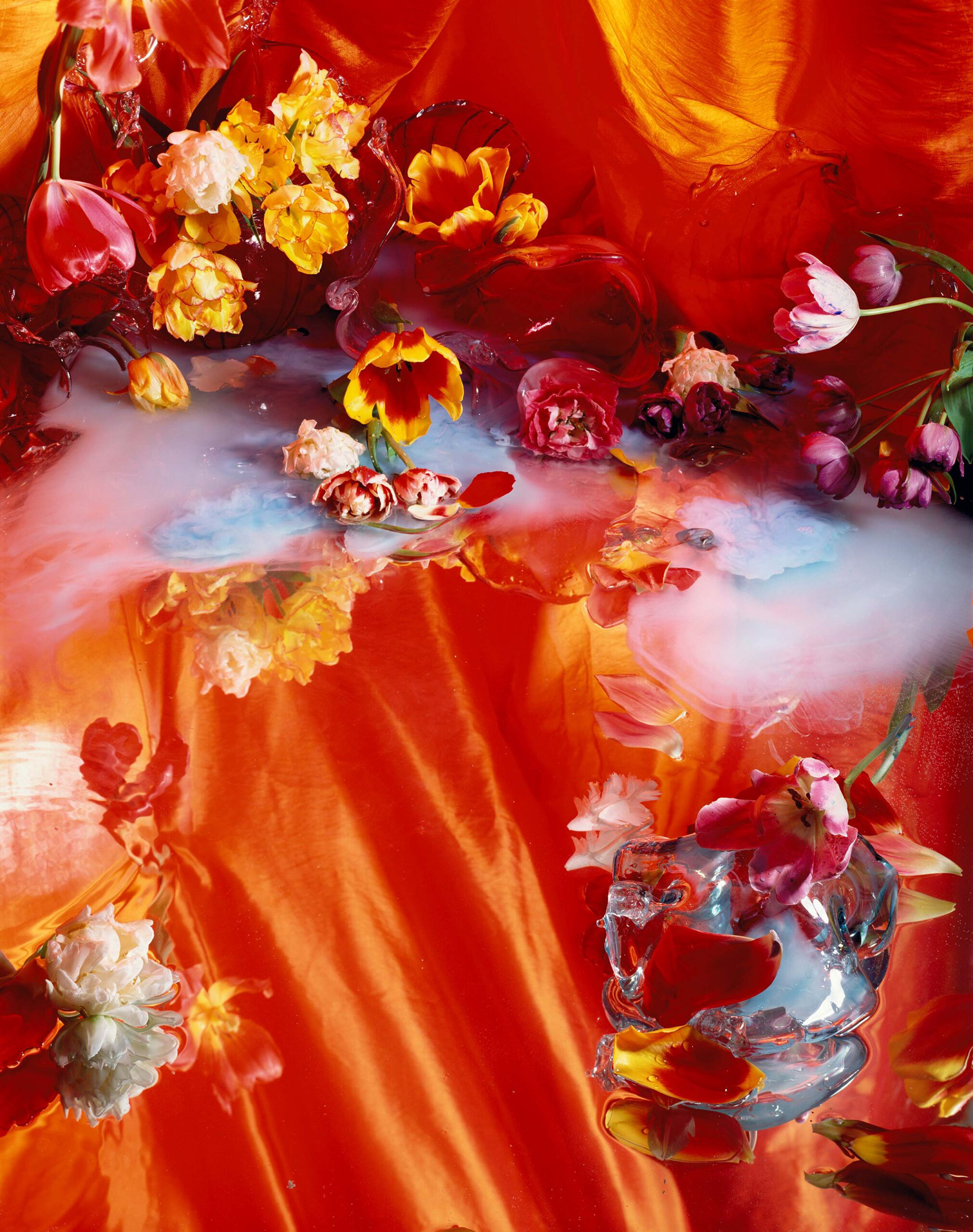
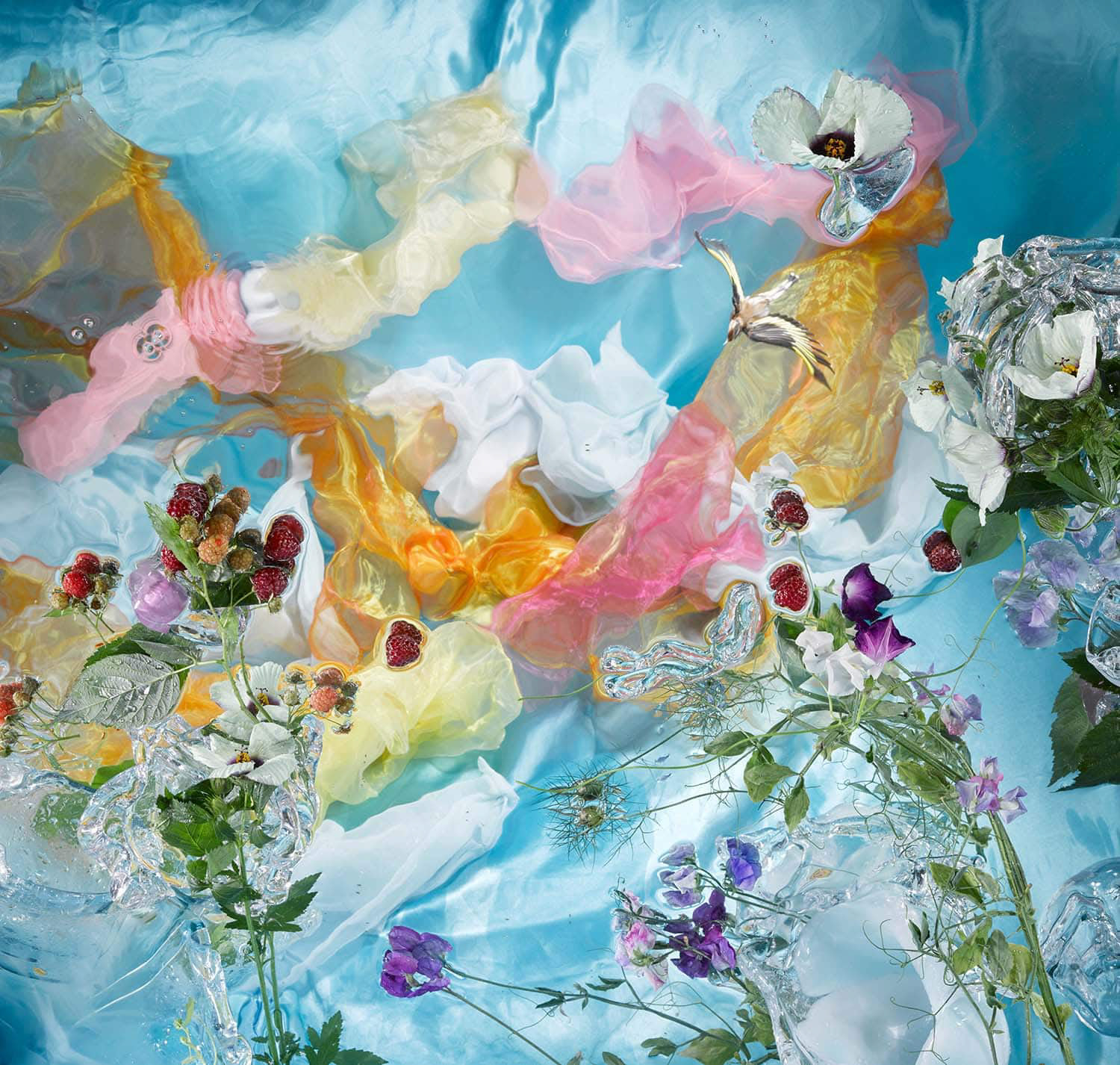
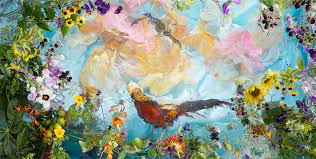
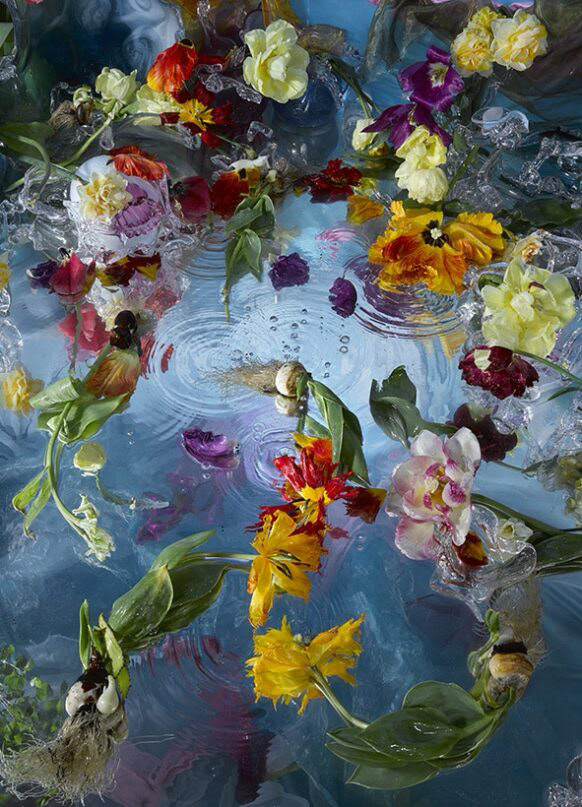
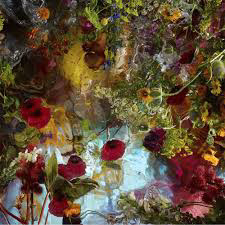
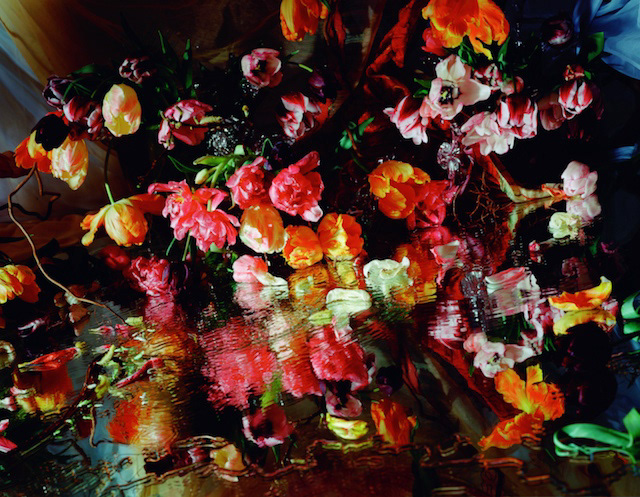
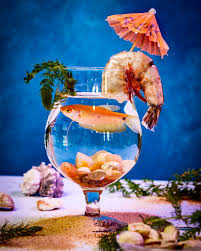
Margriet Smulders uses mirrors, glass and curtains to make still life photos that feel like paintings and feel like they are moving when they are still. SHe started as a family portrait photographer who began experimenting with still lifes in 1966, there is not much written on how she takes these photographs, Epo.org says "she combines flowers, fruits, branches, glass, water, mirrors and draped fabrics to create opulent arrangements of which she then takes large-scale photographs using film". They also say she does not digitally manipulate her photos. These photos create such a realistic painting effect that it makes it hard to believe they are not. Her photos are inspired by 17th century paintings and are always of nature with bright colours. These are incredibly effective still lifes in the way they capture movement and realism so effortlessly.
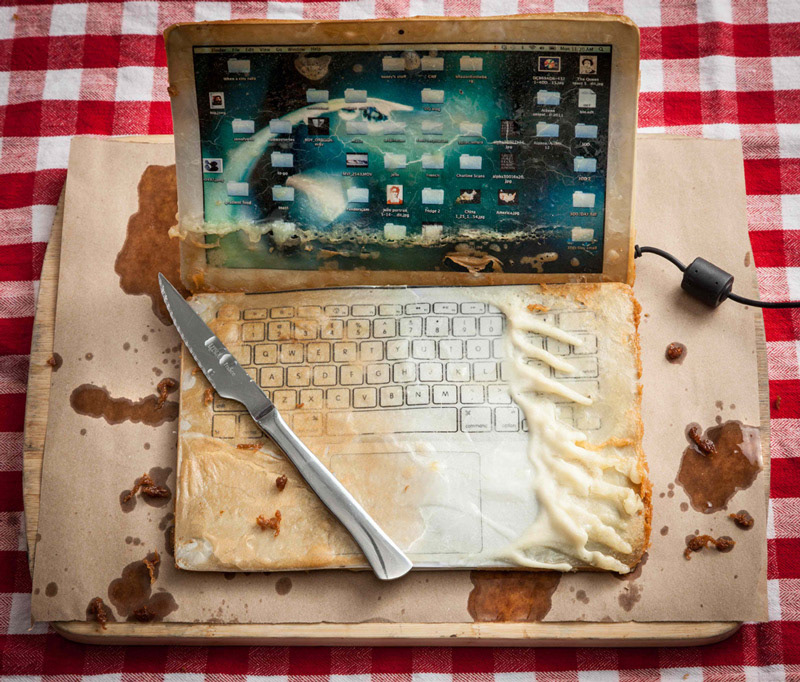
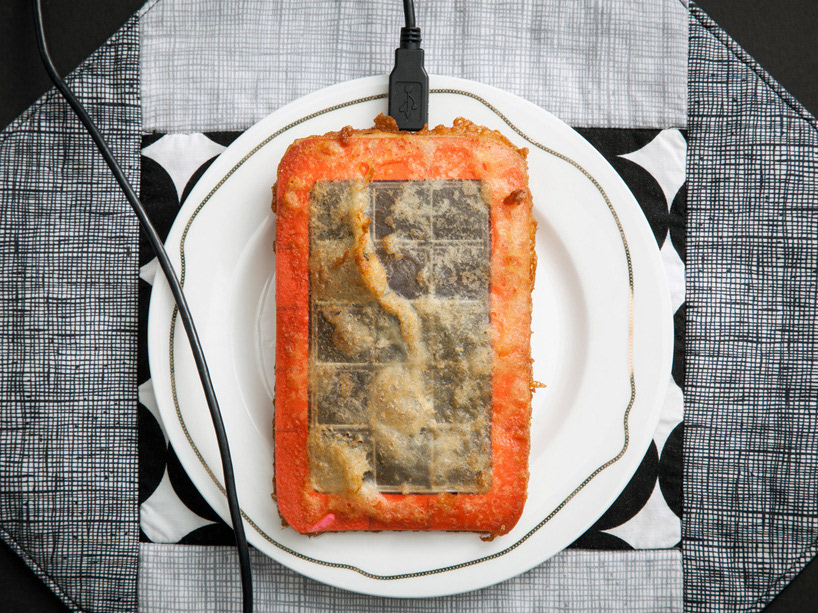
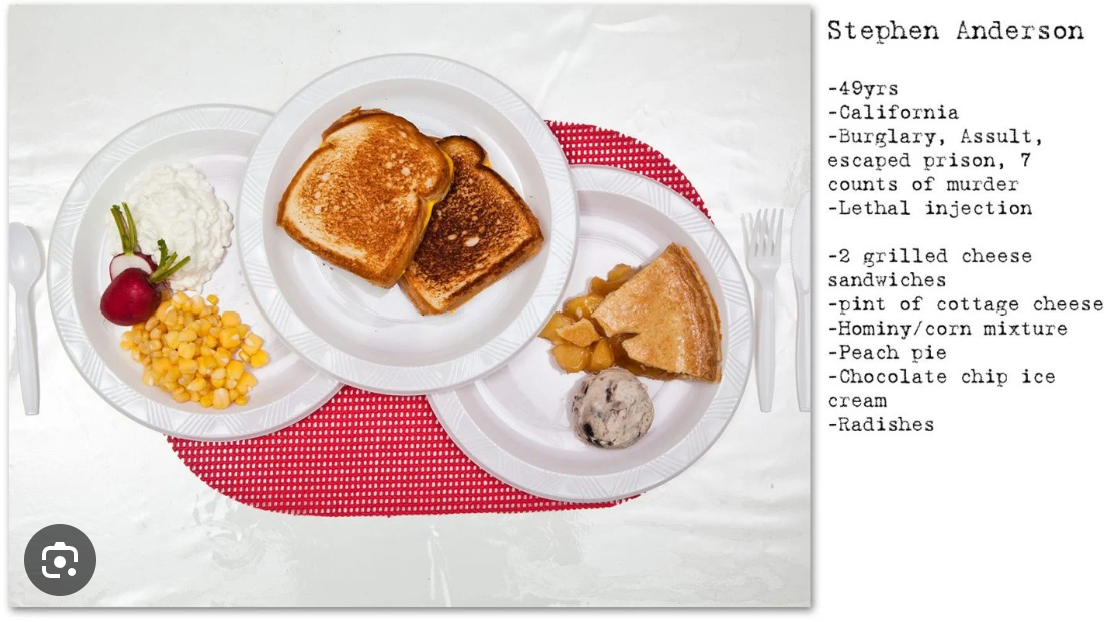
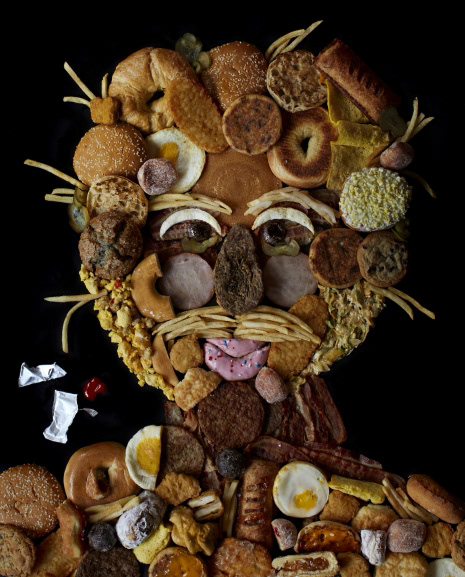
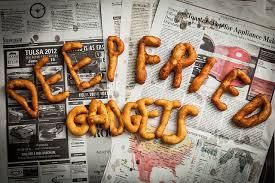
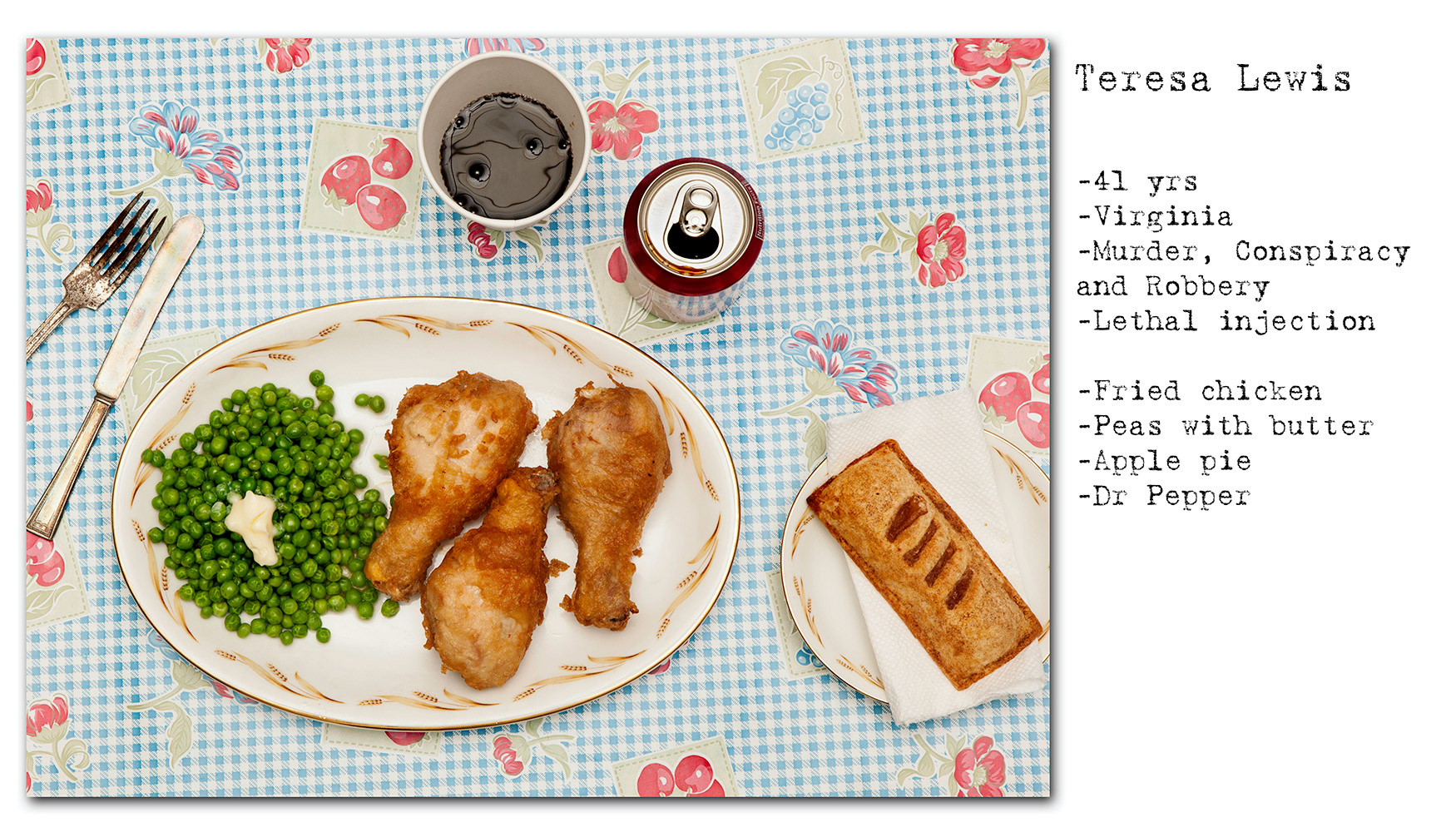
henry hargreaves is a photographer born in 1979 who spent his early career working in restaurants as a bartender, taking interest in food. He then became a photographer who used food in many of his projects, his 2 most well known projects are "deep fried Gadgets" and no seconds.
Deep fried gadgets involves photos of technology that has been deep fried, it is a statement on consumerism and a contradiction of sleek modern gadgets covered in lumpy batter. These photos work well in a way which creates a visually interesting image which gives the viewer an uncountable amount of questions to ask. The images are taken on carefully calculated background which juxtapose the object, for example a plate with the Lacie which makes no sense without the context of the deep fry.
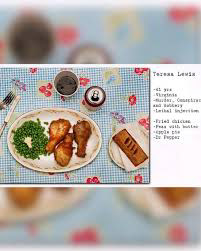
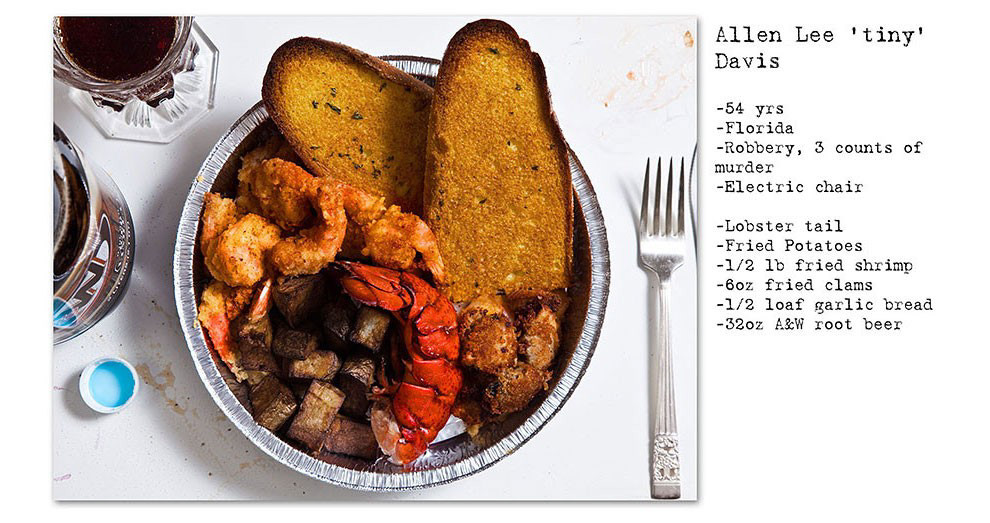
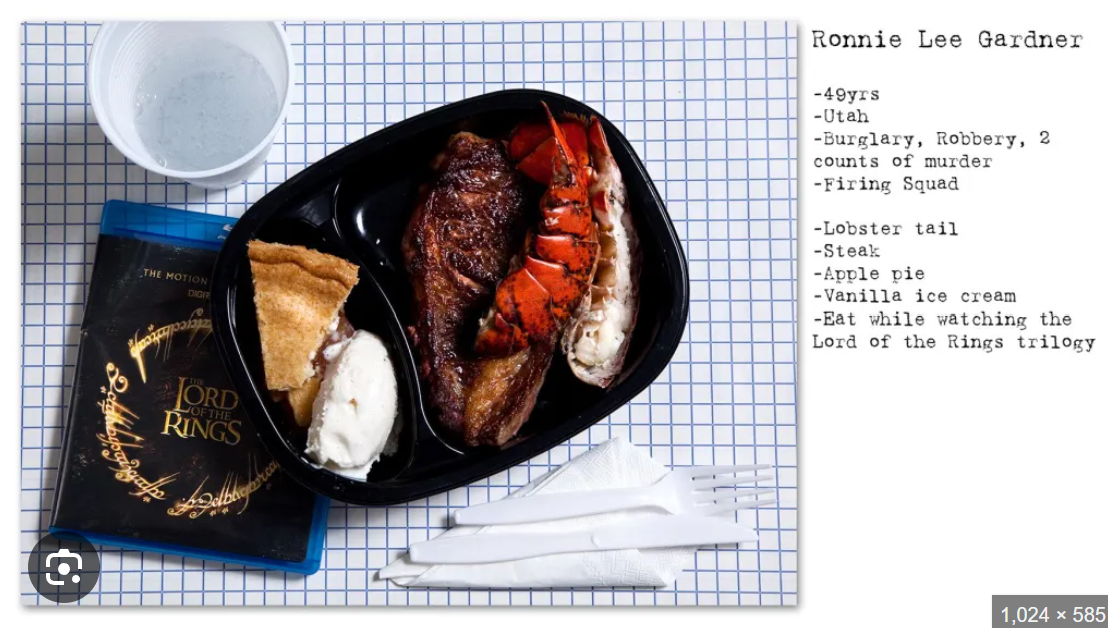
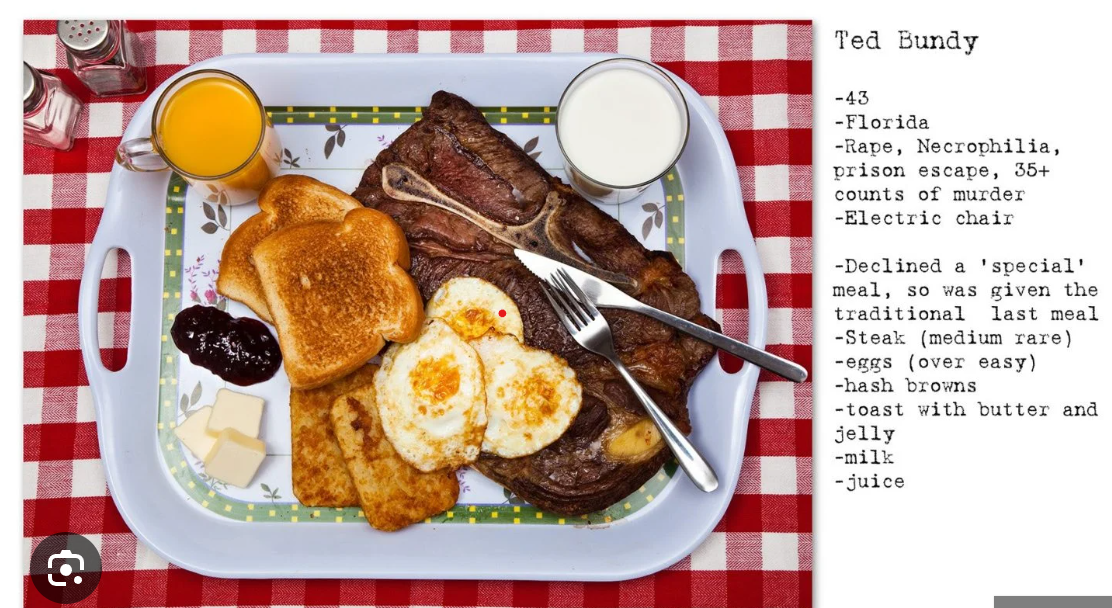
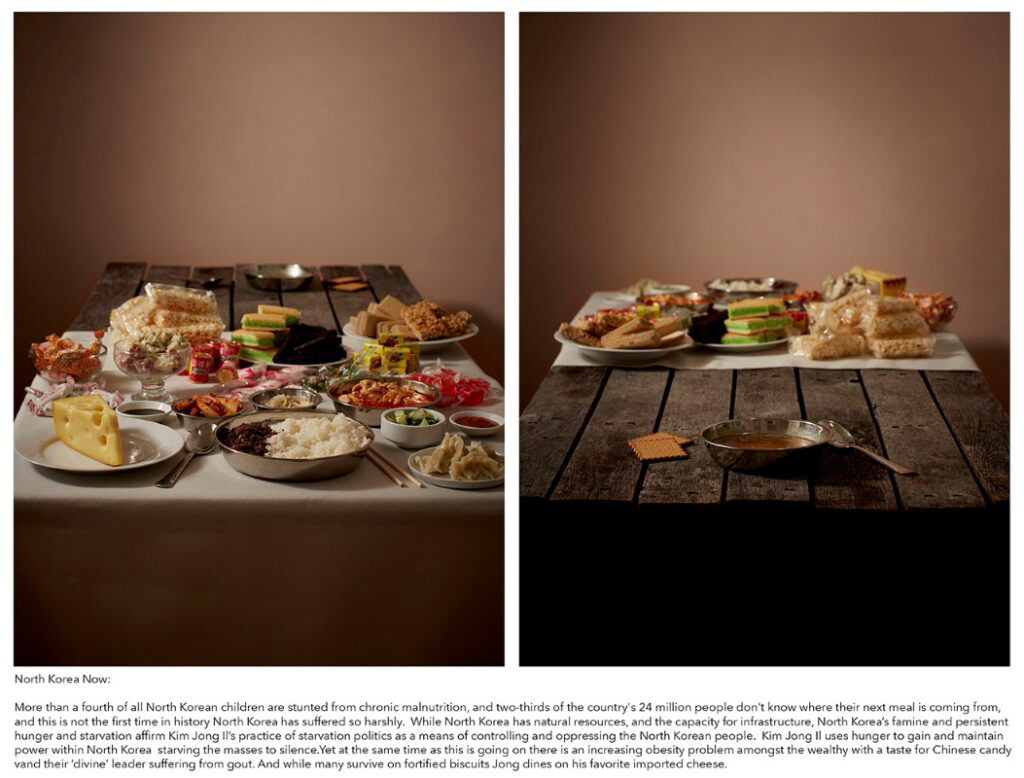
No seconds is a collection of images of people who were on death row's final meals, the images feature a still life food photograph of the last meal alongside text which says their name, their age, crimes, and method of death- underneath that is a description of their last meal listing each item. The people chosen are often serial killers and the images are high key which makes a juxtaposition to the context. These images are effective in evoking an emotion by seeing such normal plates of food- lit well, looking appetising, next to words of horror. Putting the inmates crimes before the food type evokes emotion by making the viewer read terrible things before moving on to the norm. The viewer would read these images by looking at the plate of food, then reading the name, then the crimes, and then back to the normal ingredients which creates an emotional rollercoaster inside of the image.
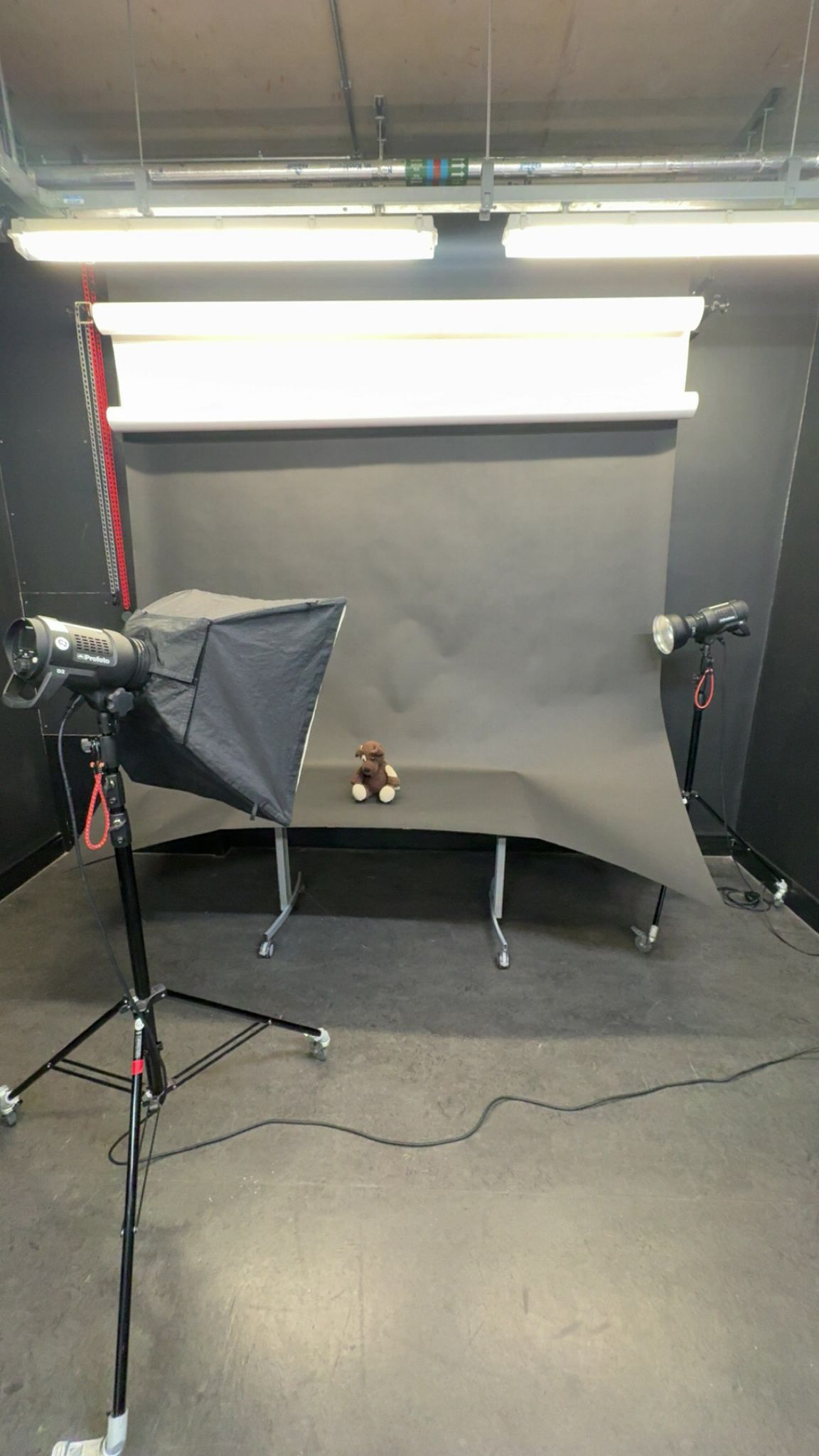
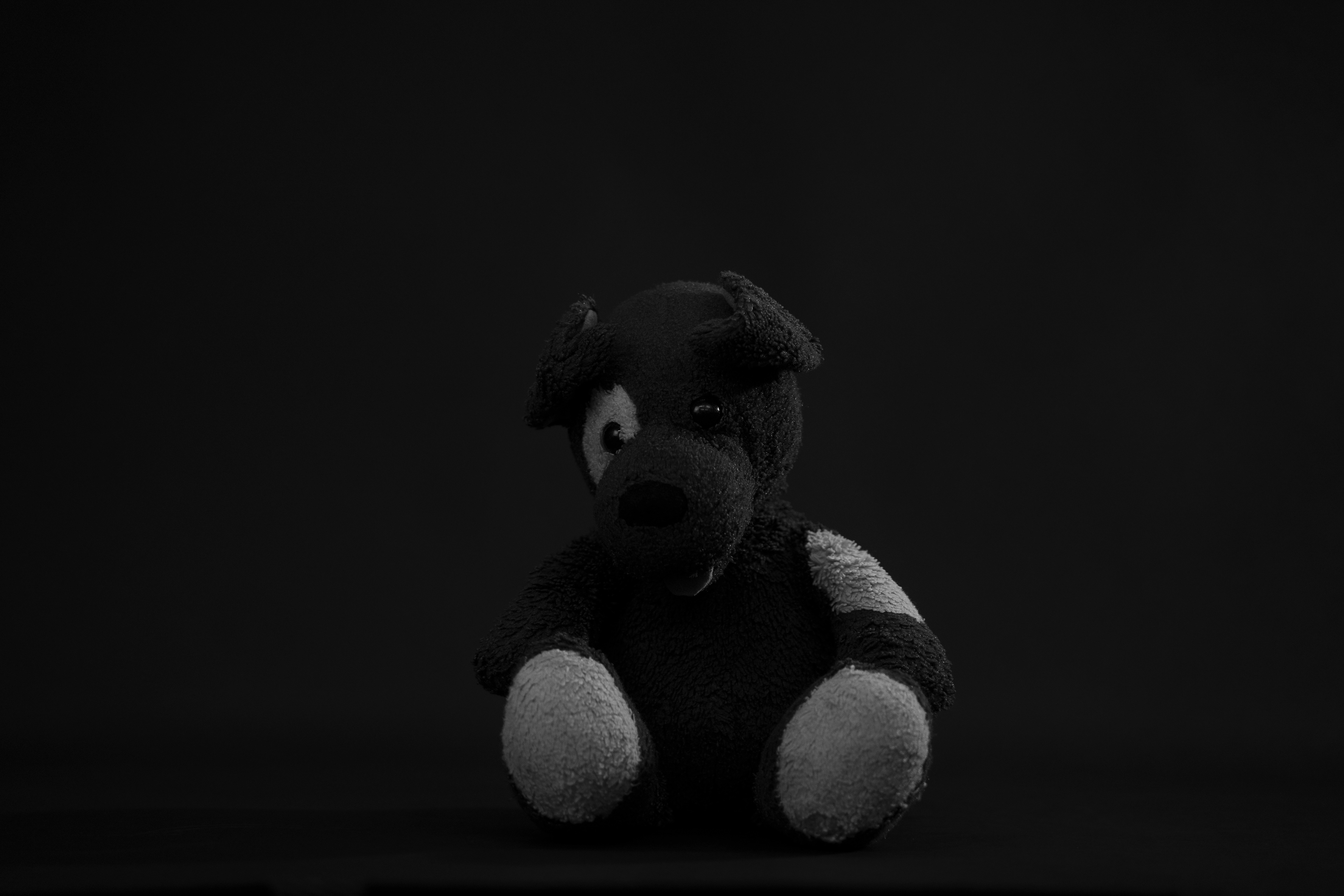
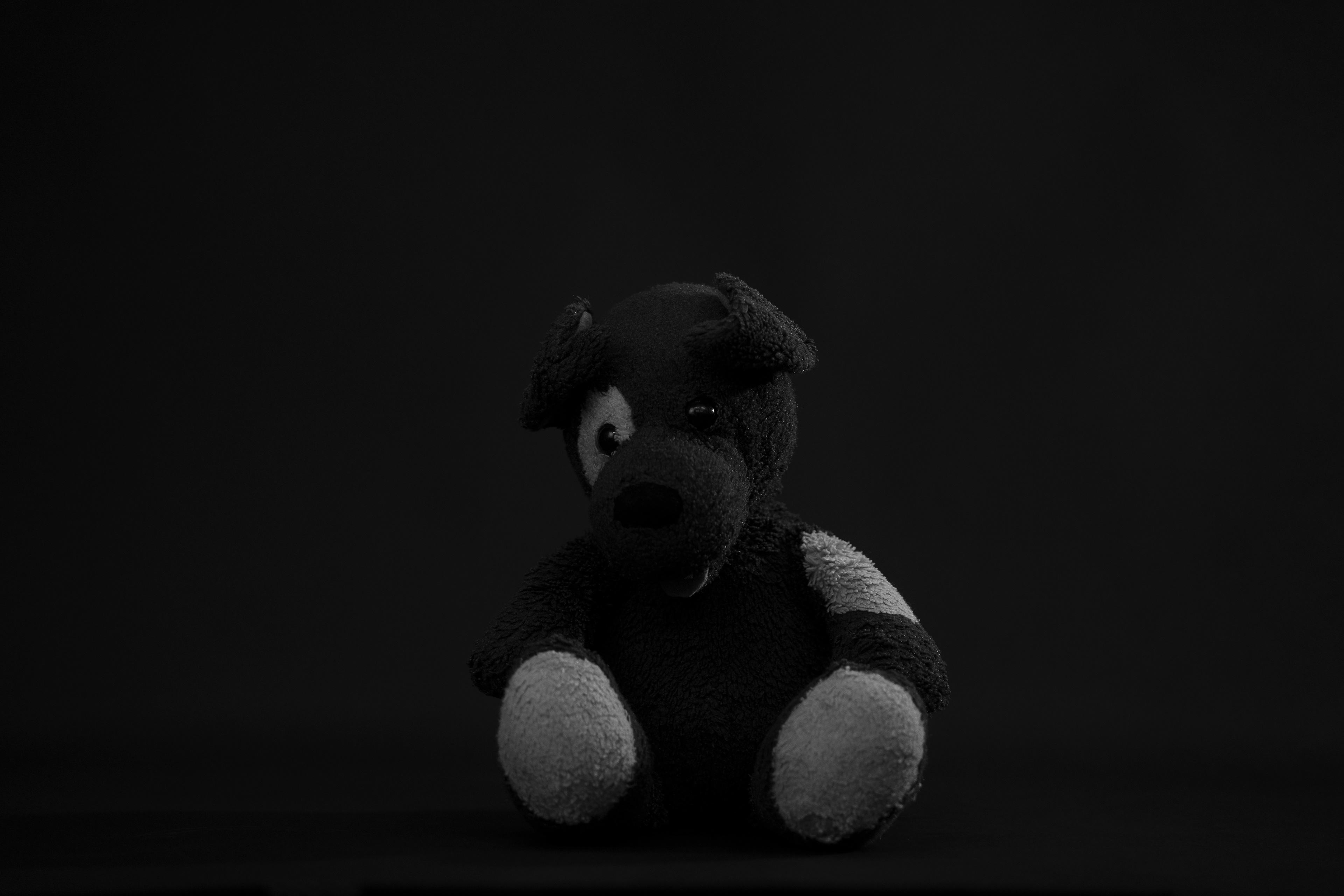
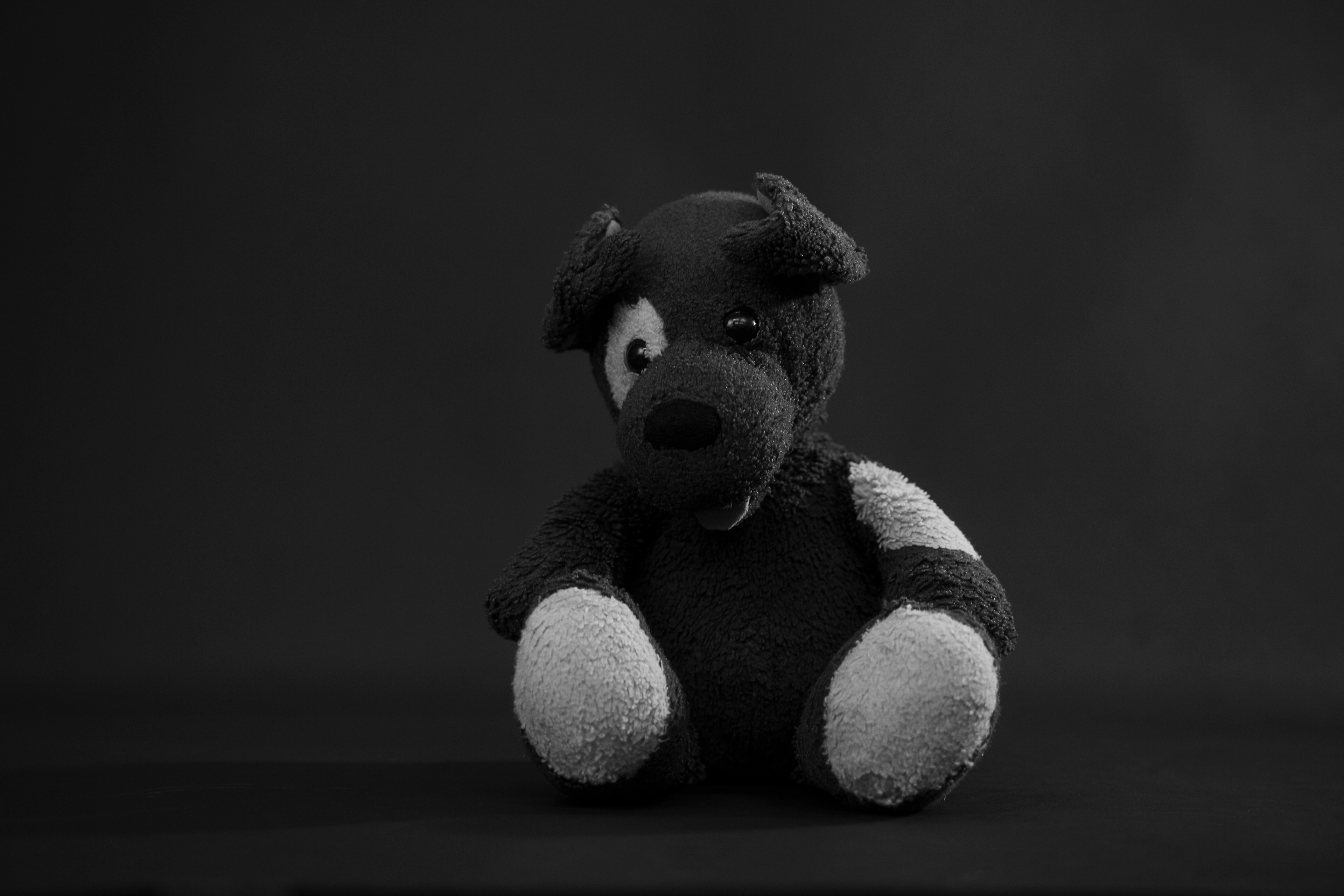
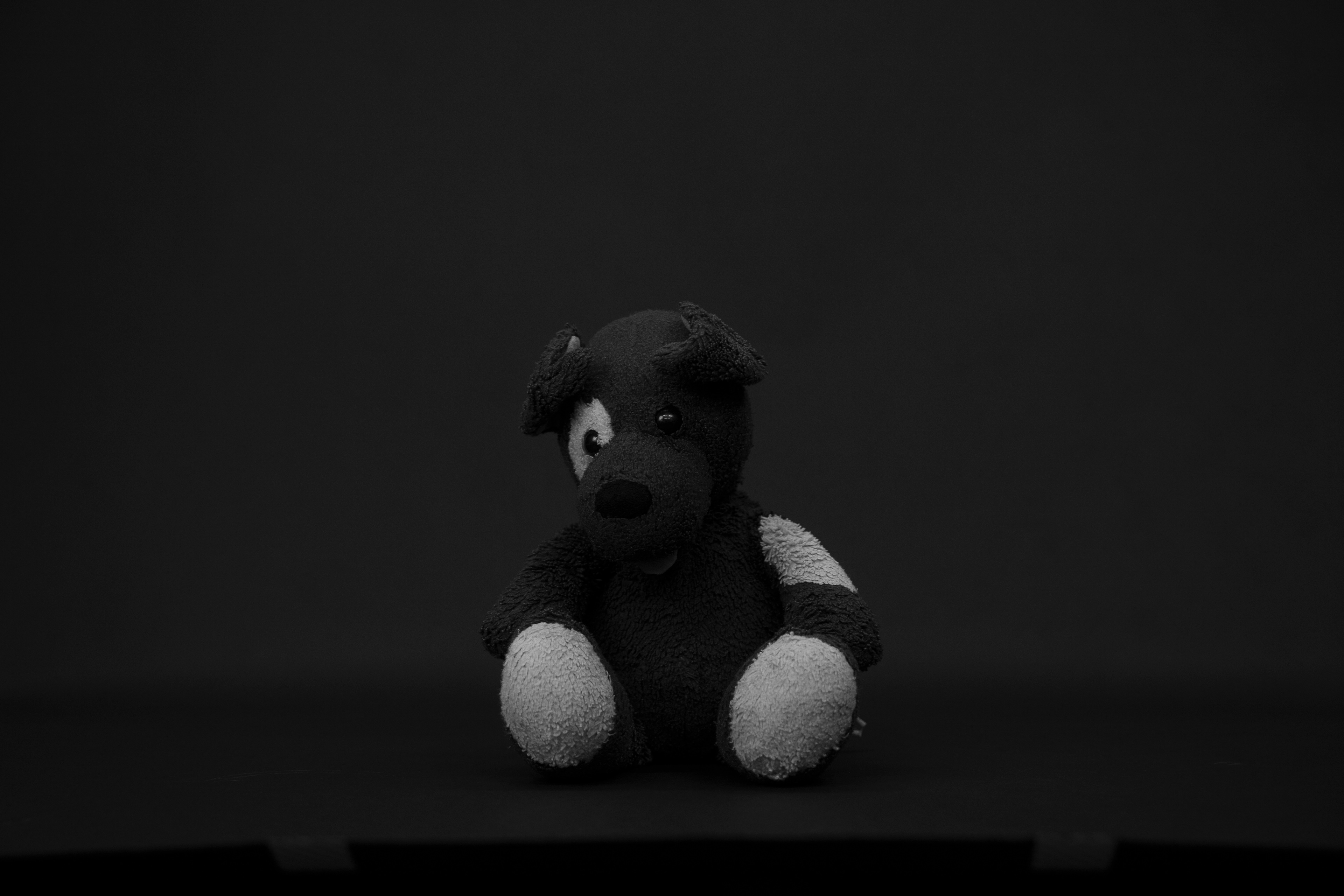
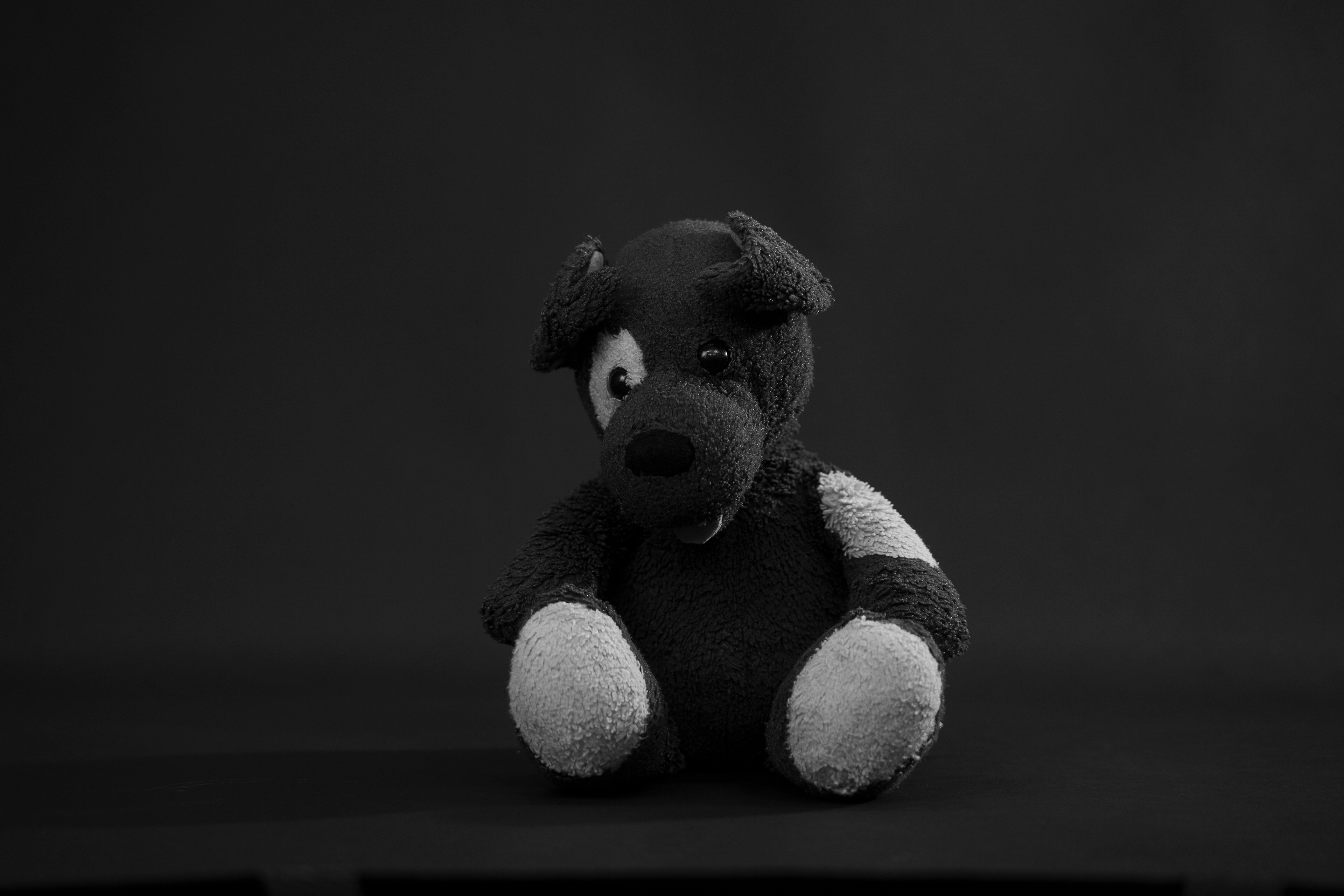
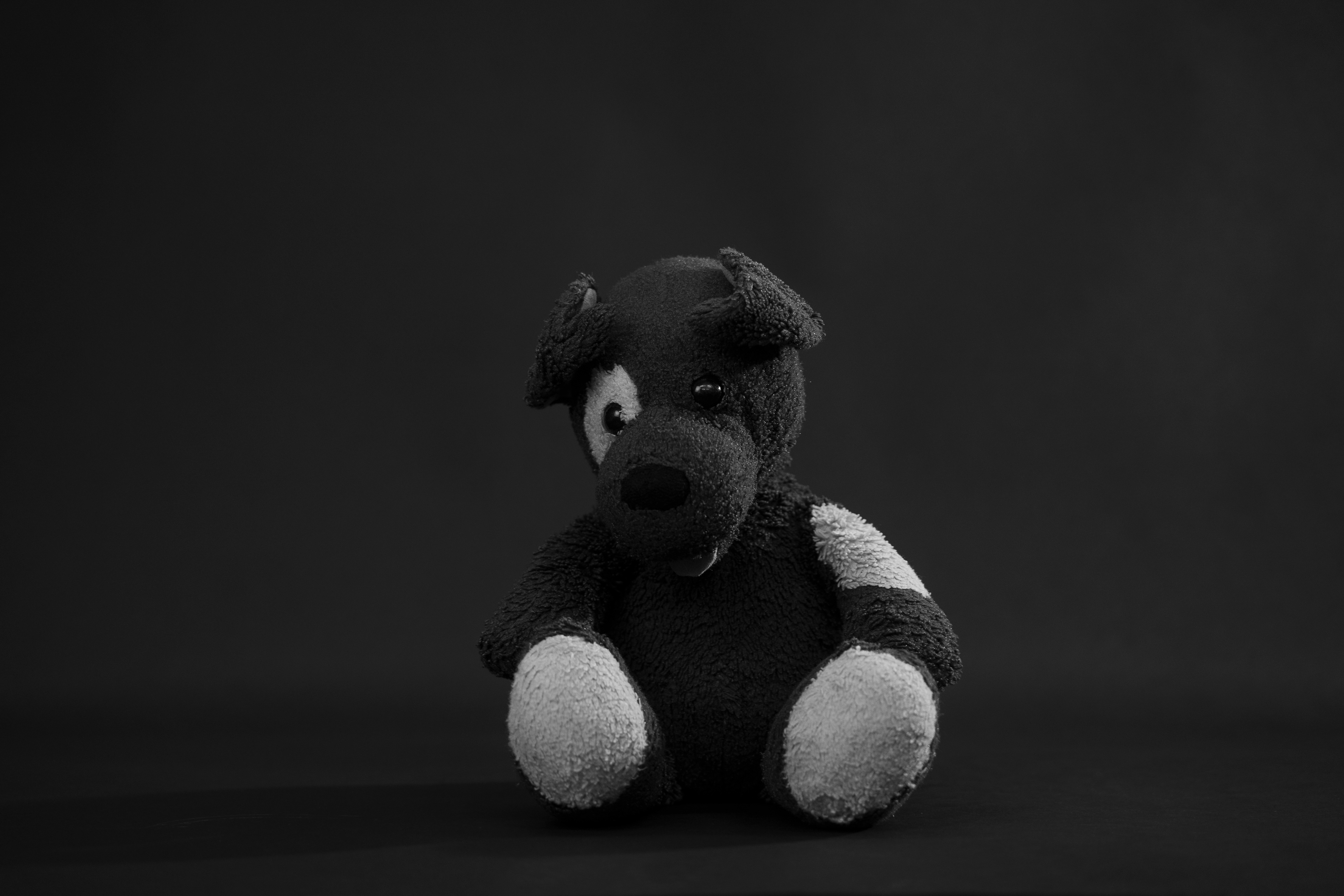
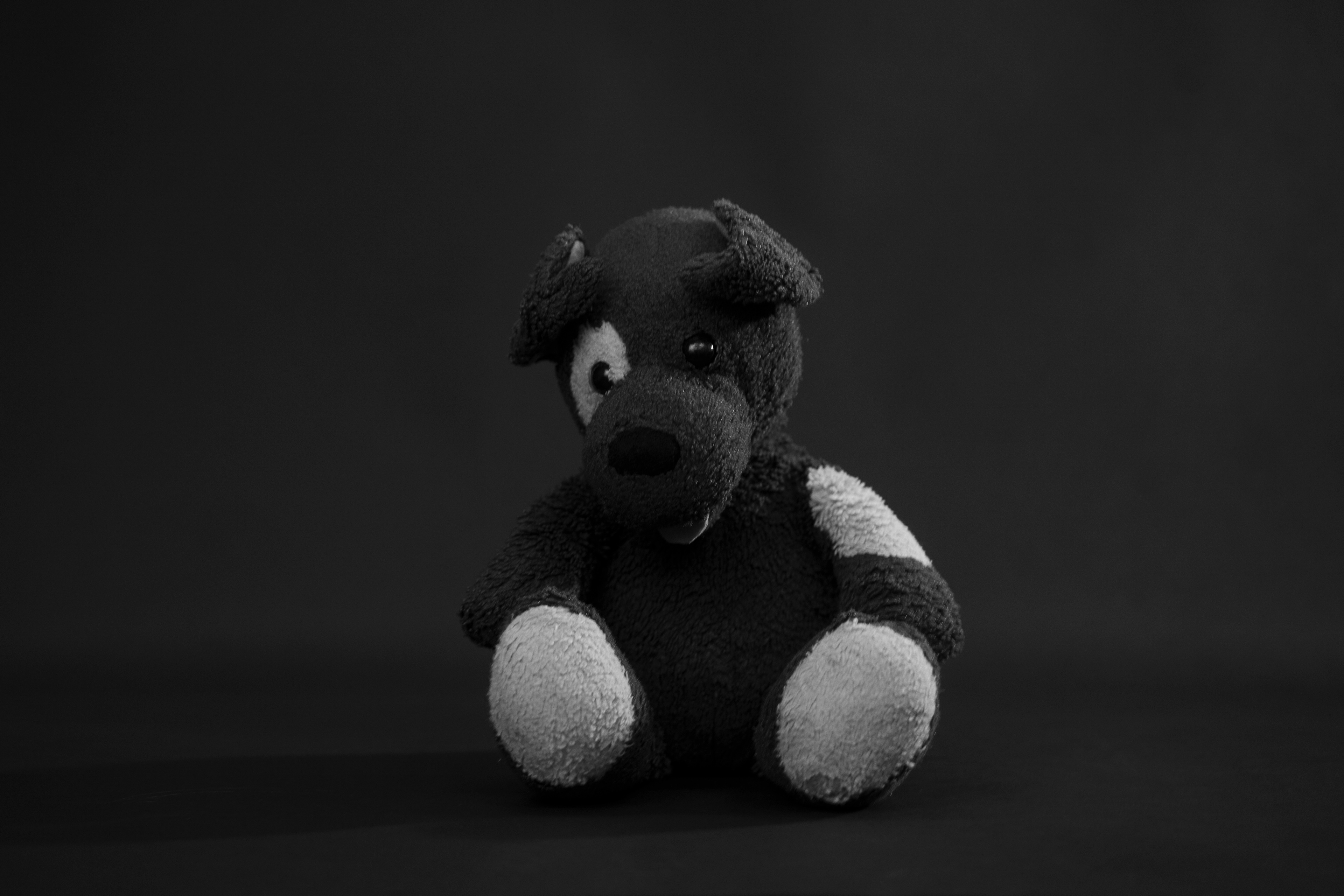
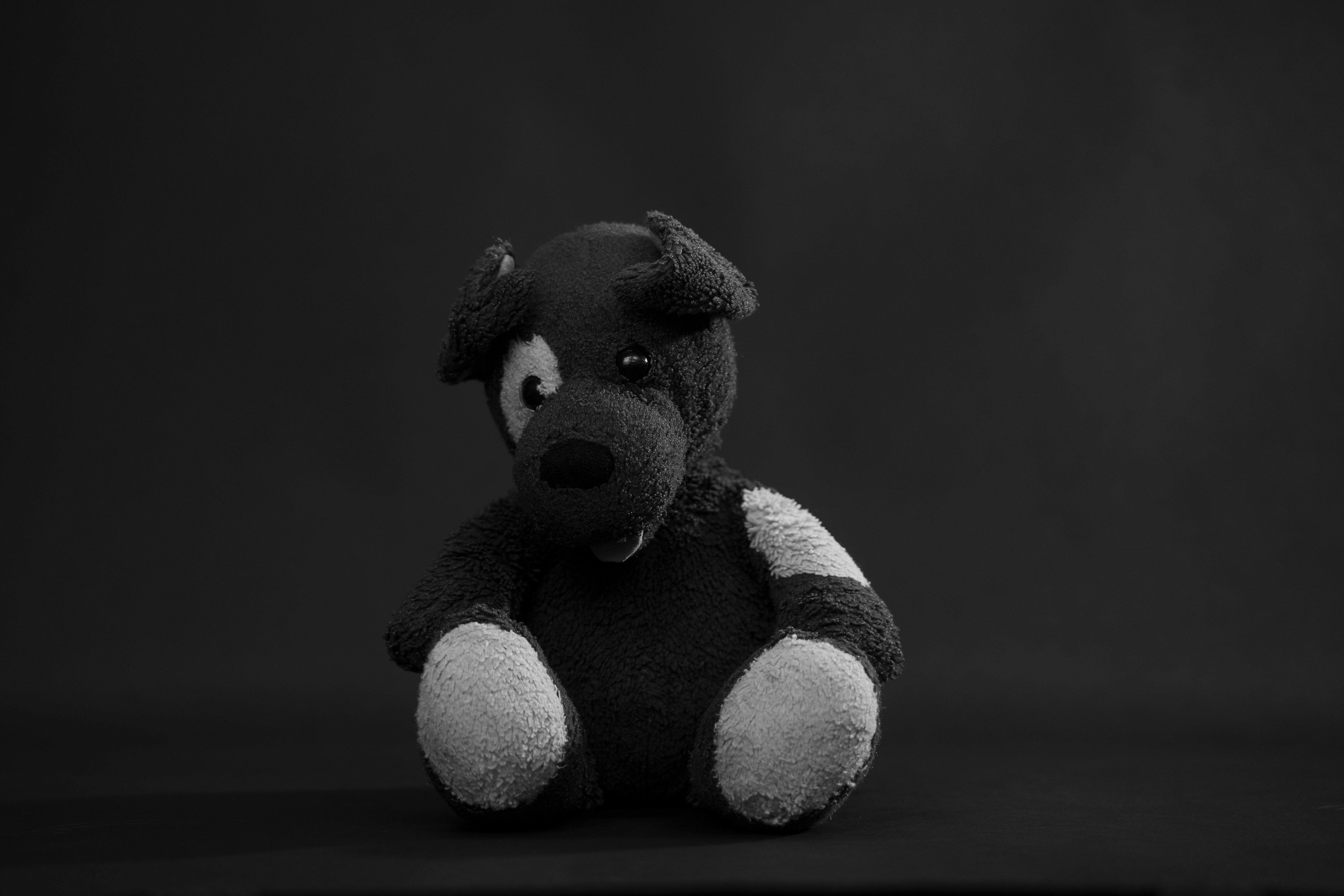
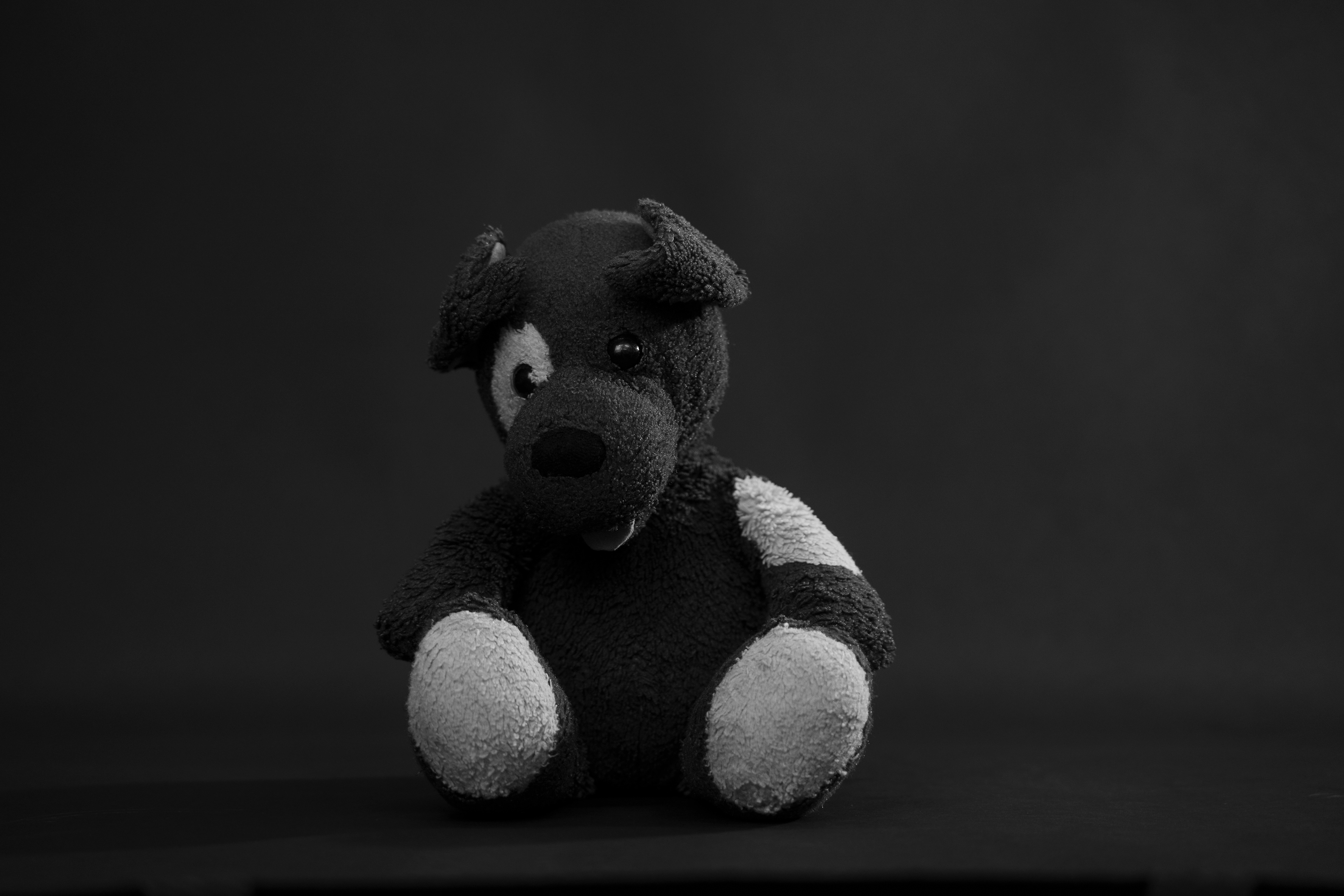
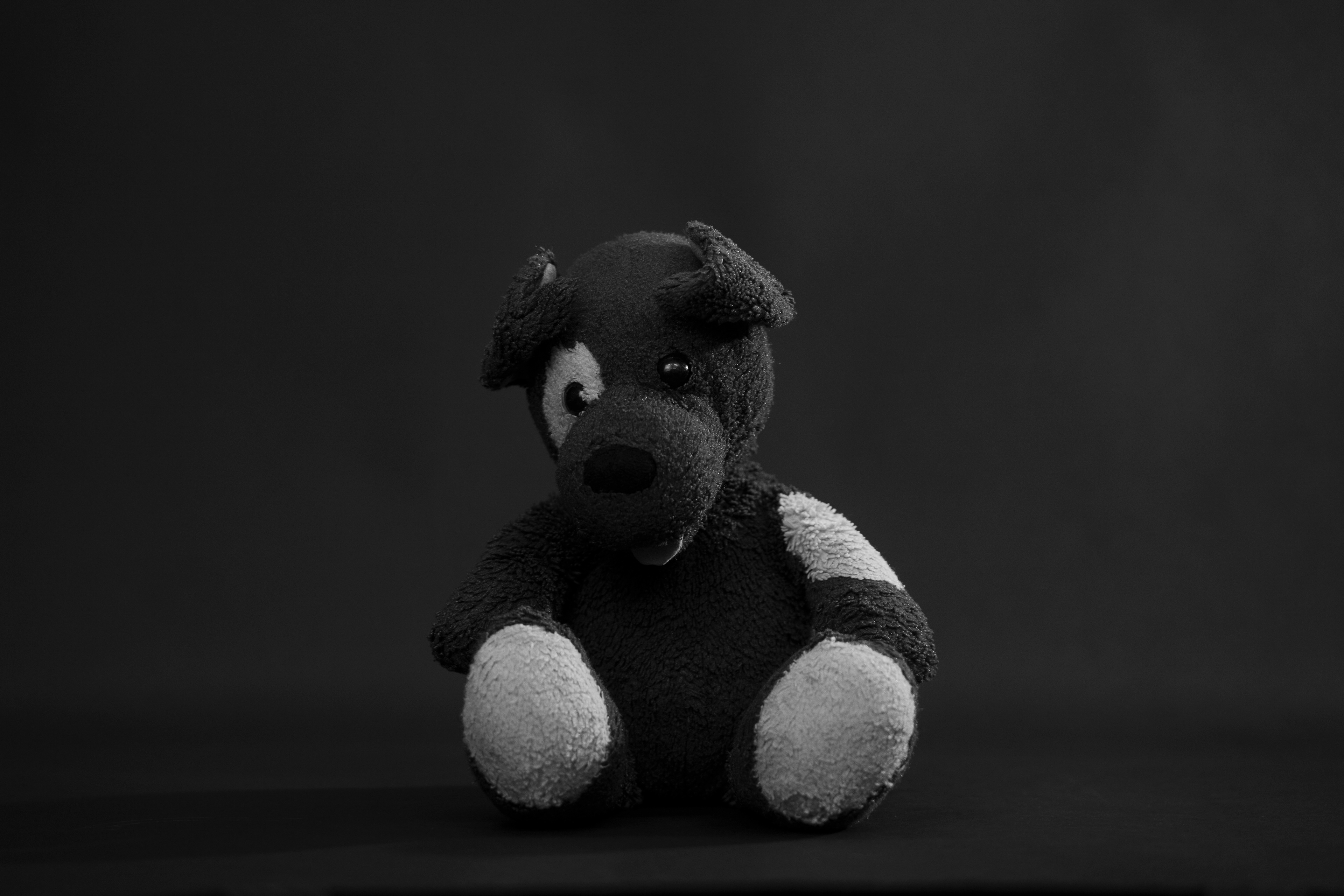
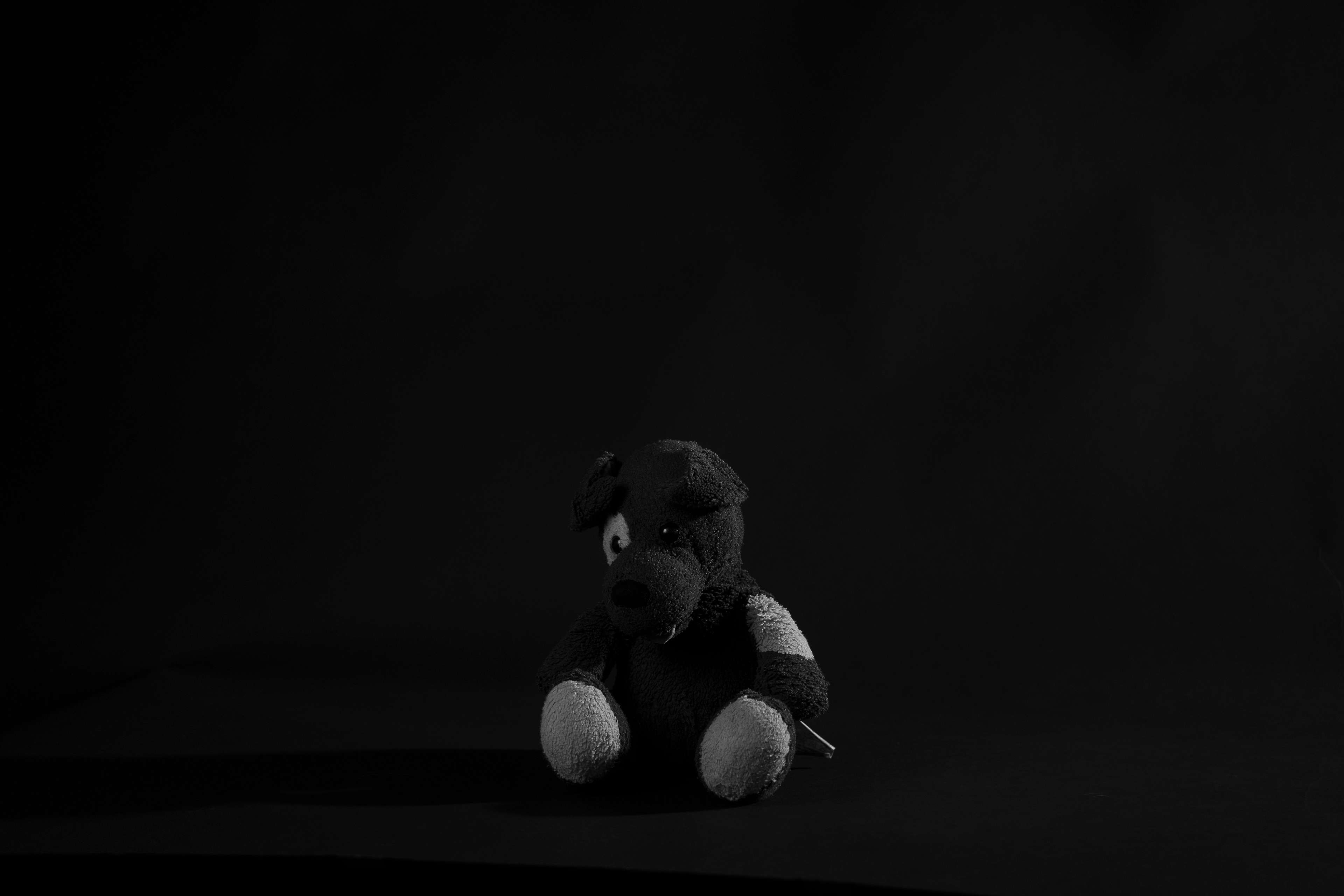
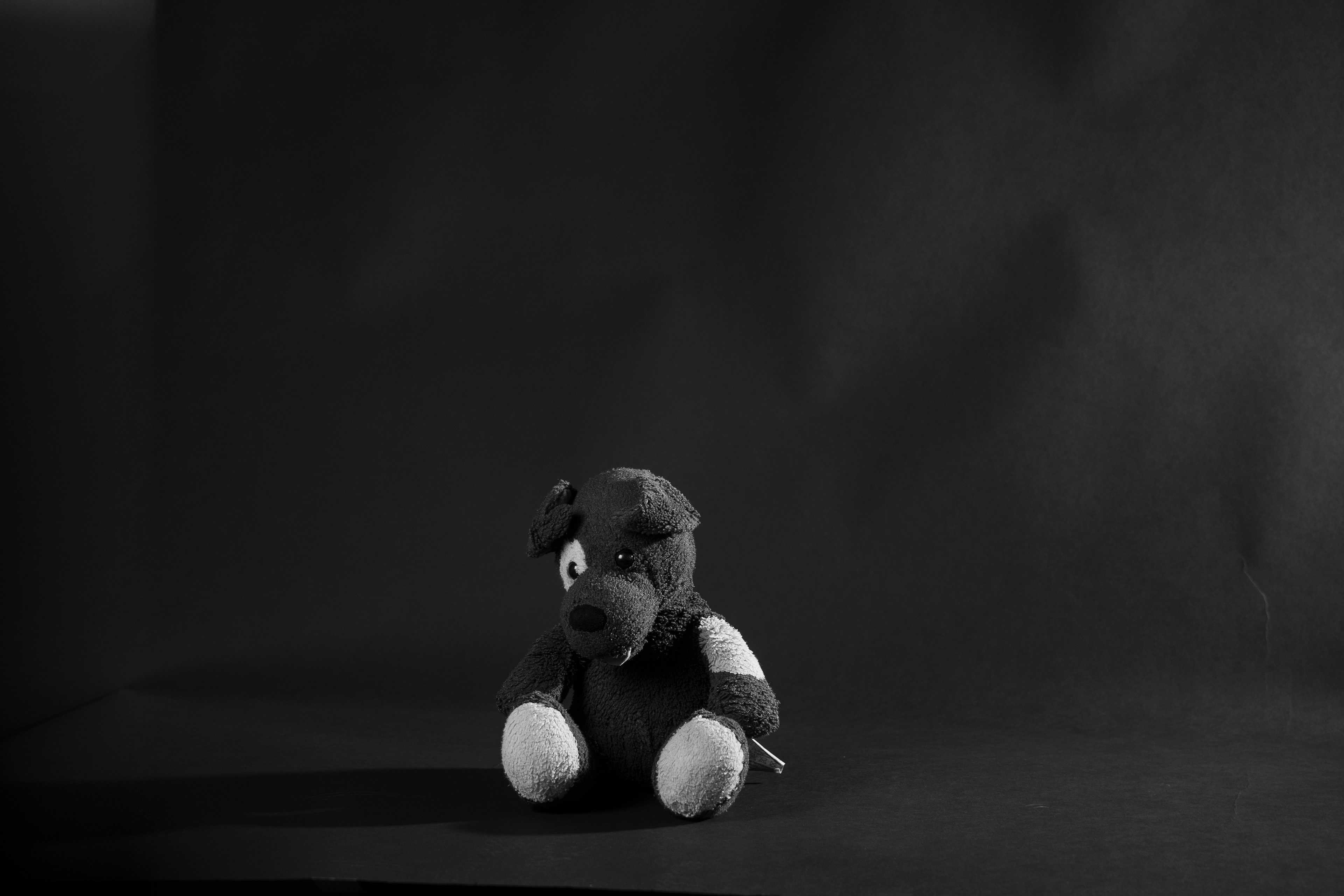
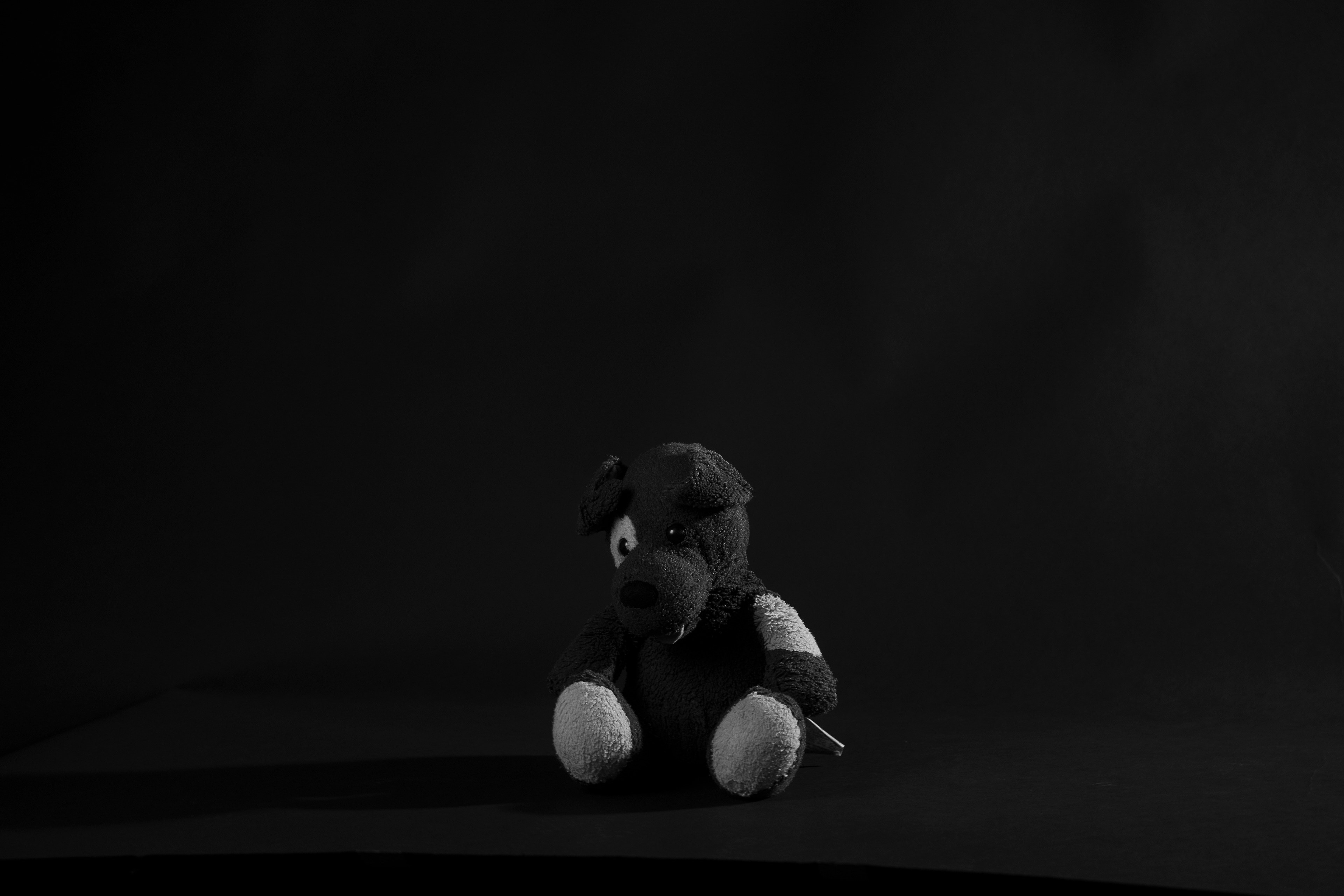
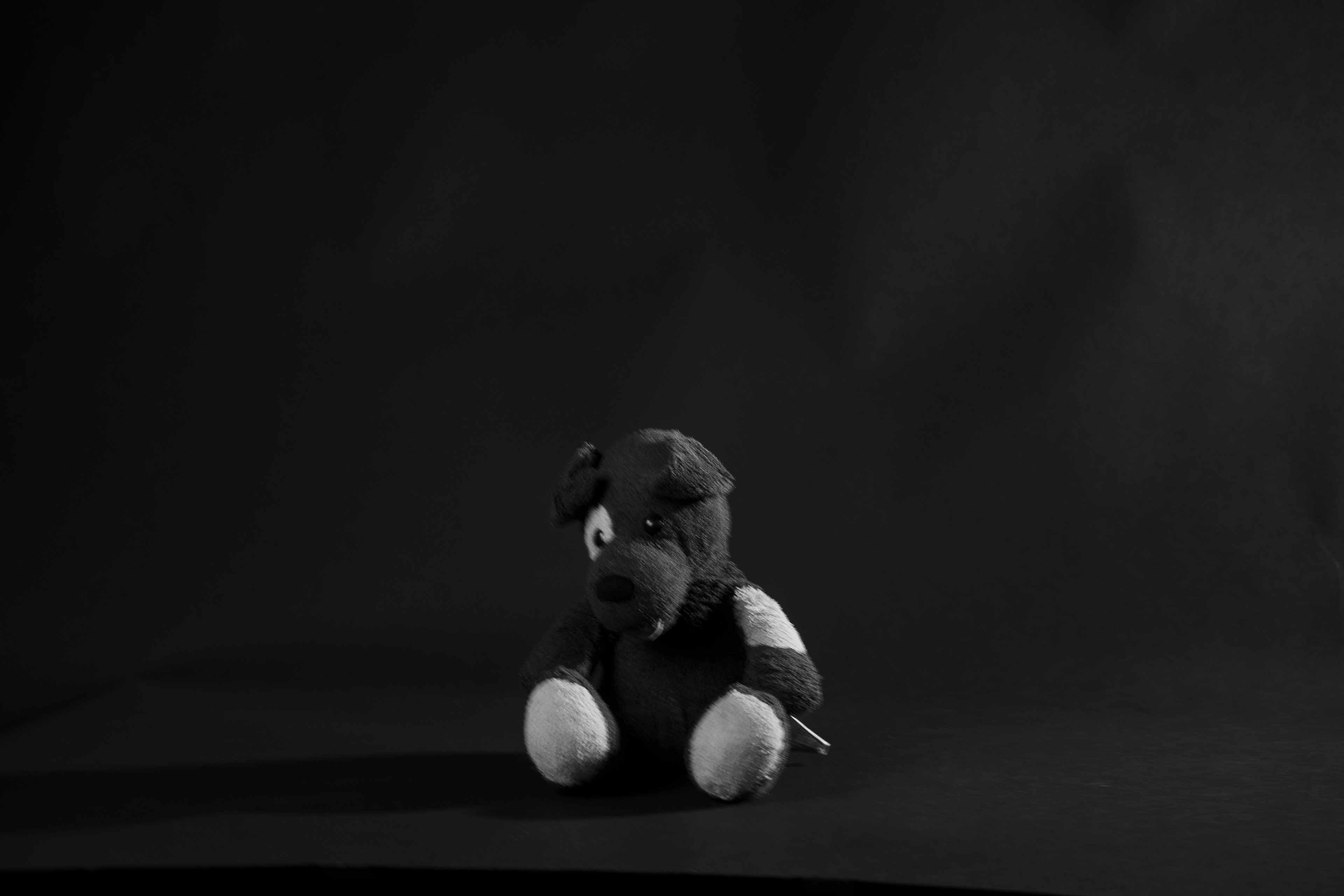
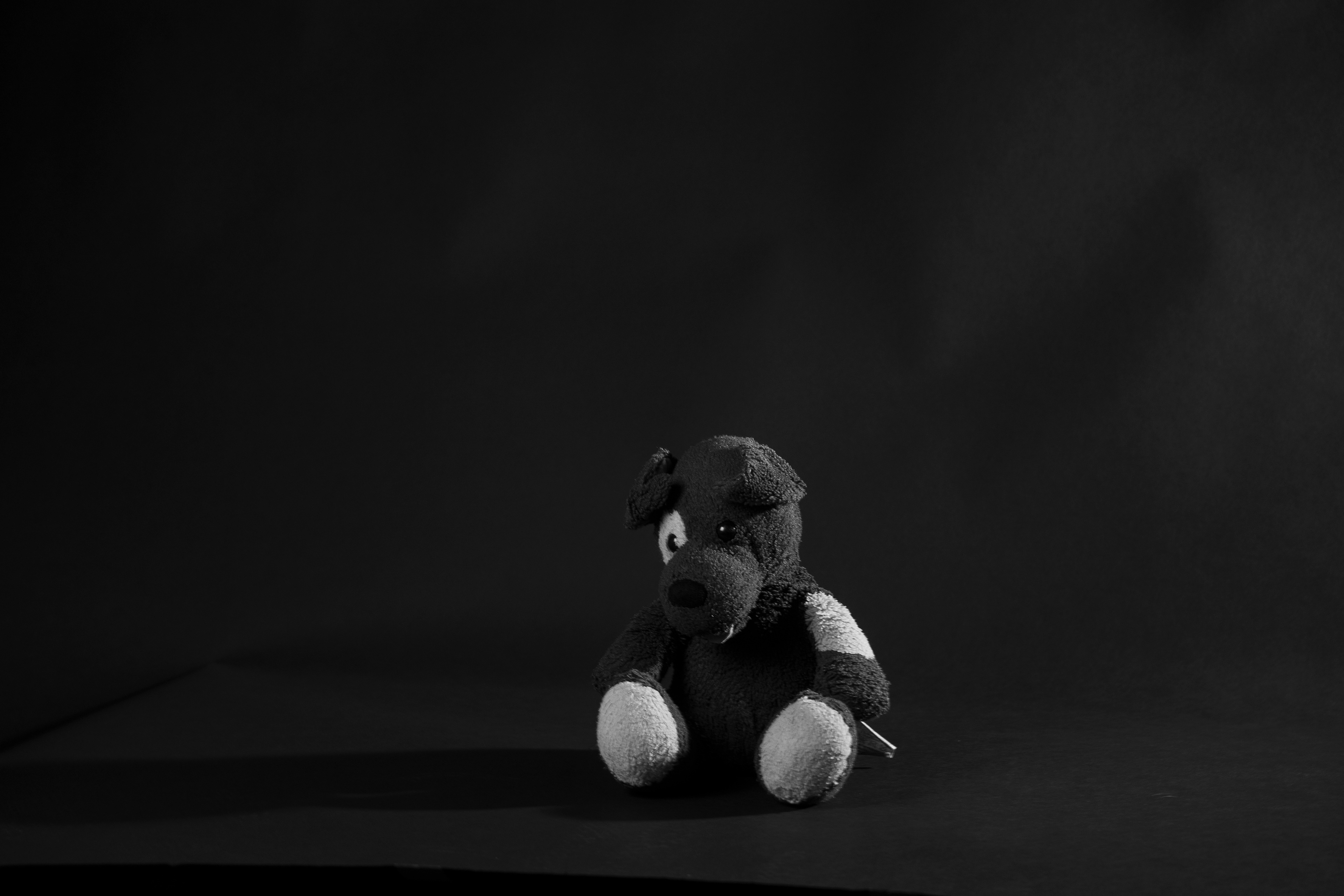
For this project I decided to photograph my childhood toy being a teddy bear dog. I decided to photograph only the dog with no other props on a black background to show this is something that used to portray my presence in the world but now portrays who I used to be in the world, Creating a sad style for the image as almost of being forgotten. In the photos the teddy sits slumped from age, its neck not able to support the weight of its head and its ears drooping down.
The dog is centre frame in the image, relatively wide showing a lot of negative space to portray to the loneliness. It is lit from camera right front to ensure the belly does not fall into shadow with a rim light behind it to make sure it does not fade into the background and creates a clear separation.
I was not happy with these images and I used too wide of an aperture causing all of the dog to not be in focus, so I will be reshooting with a different idea.
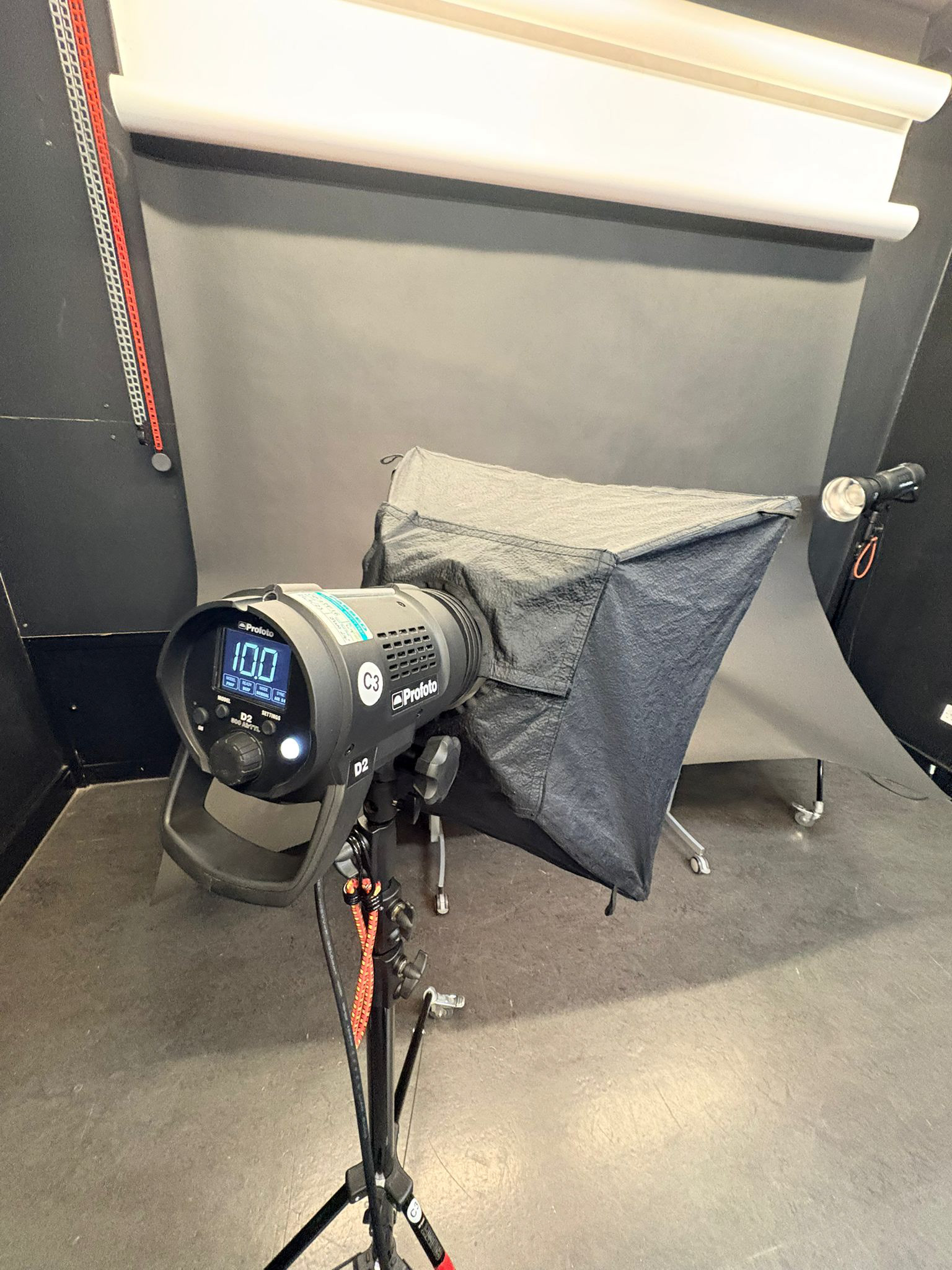
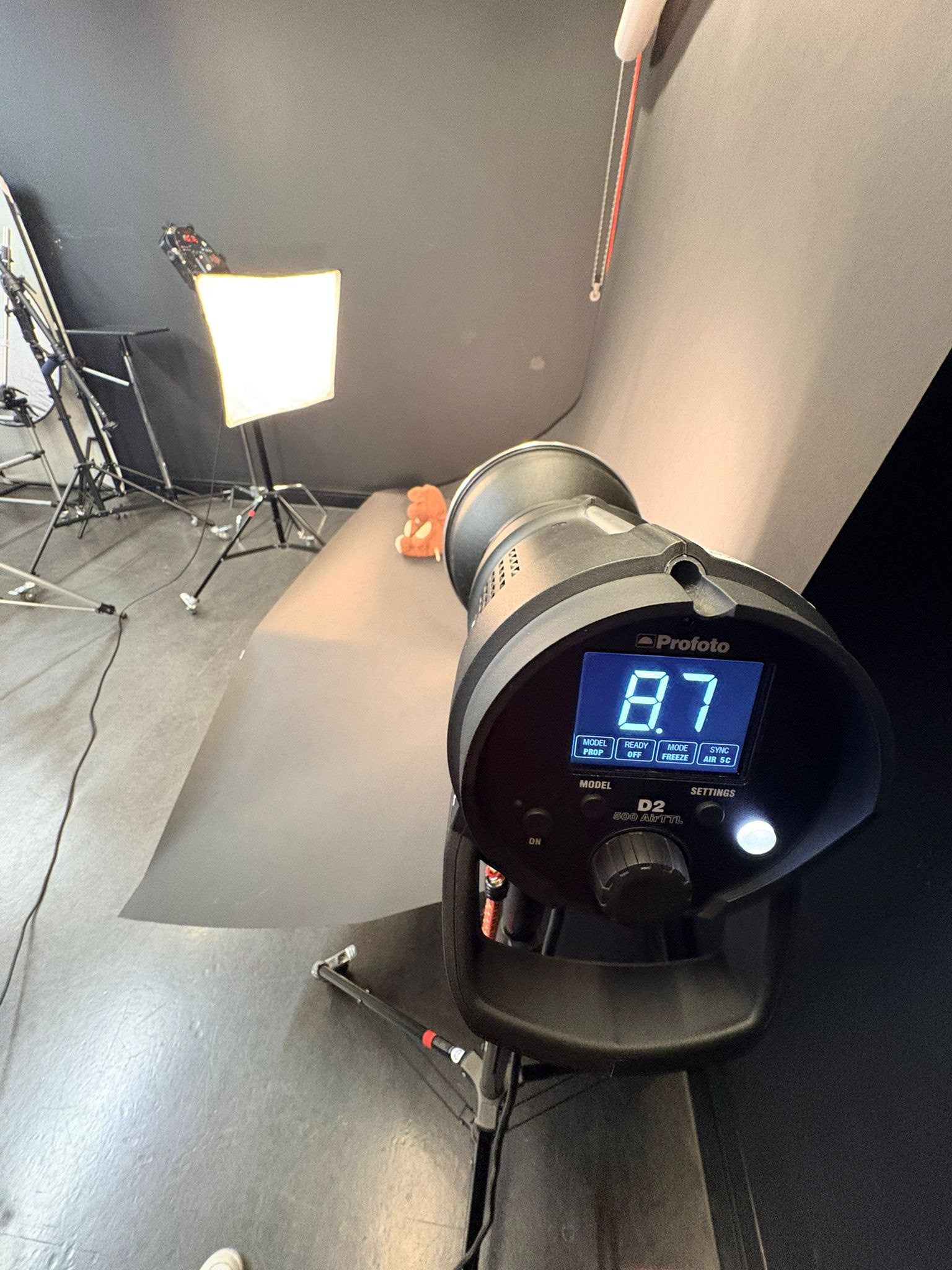
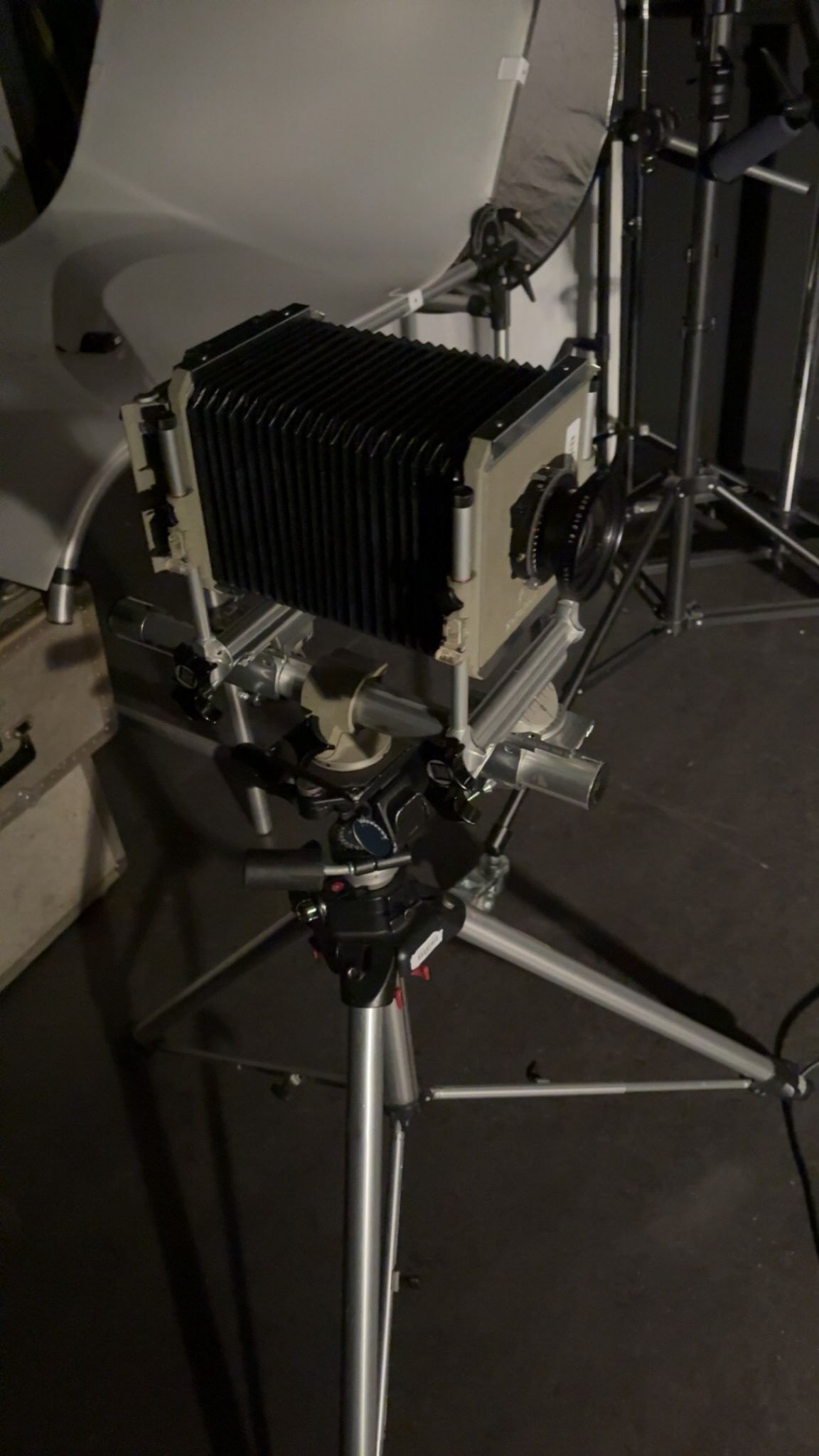
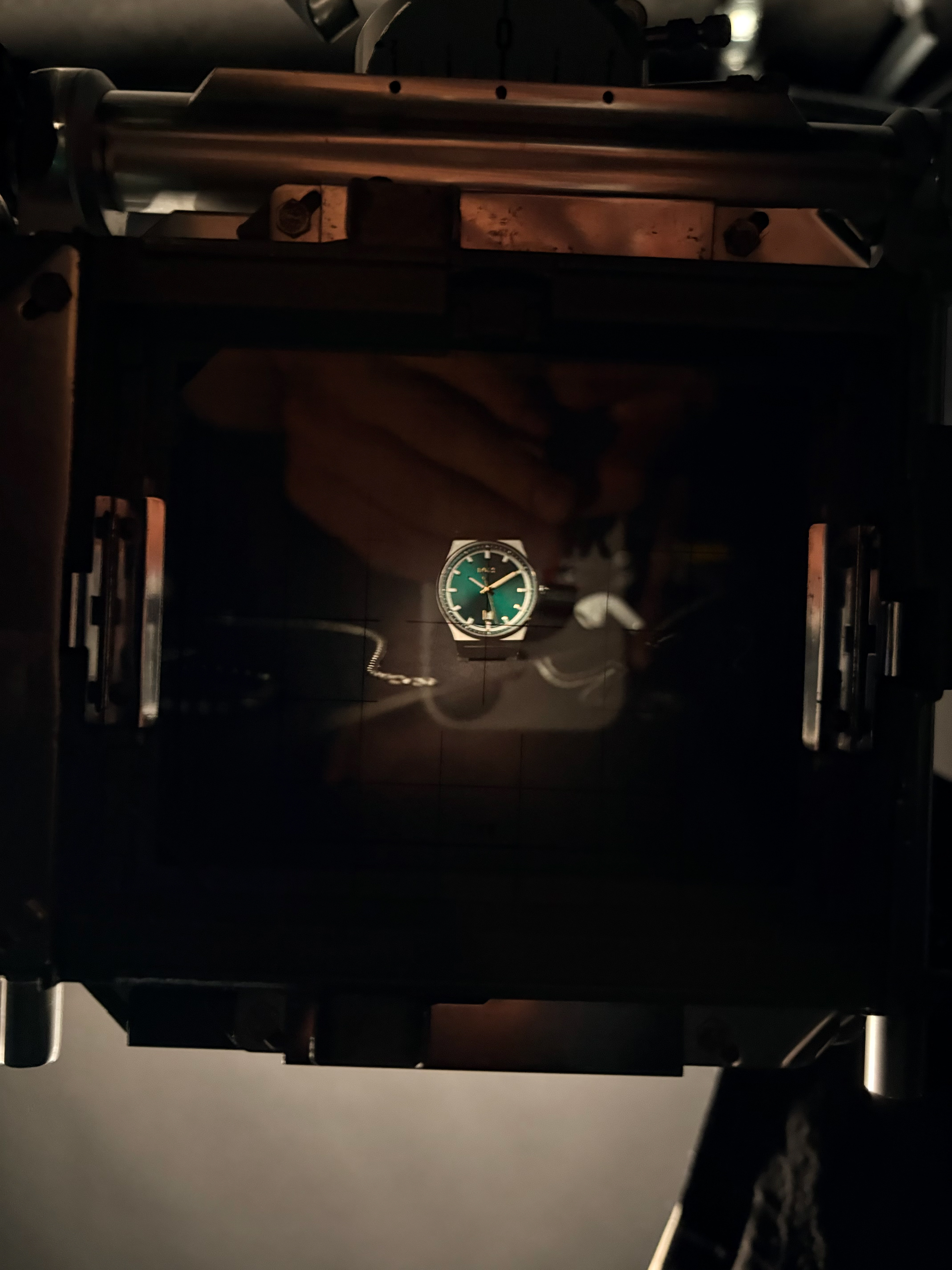
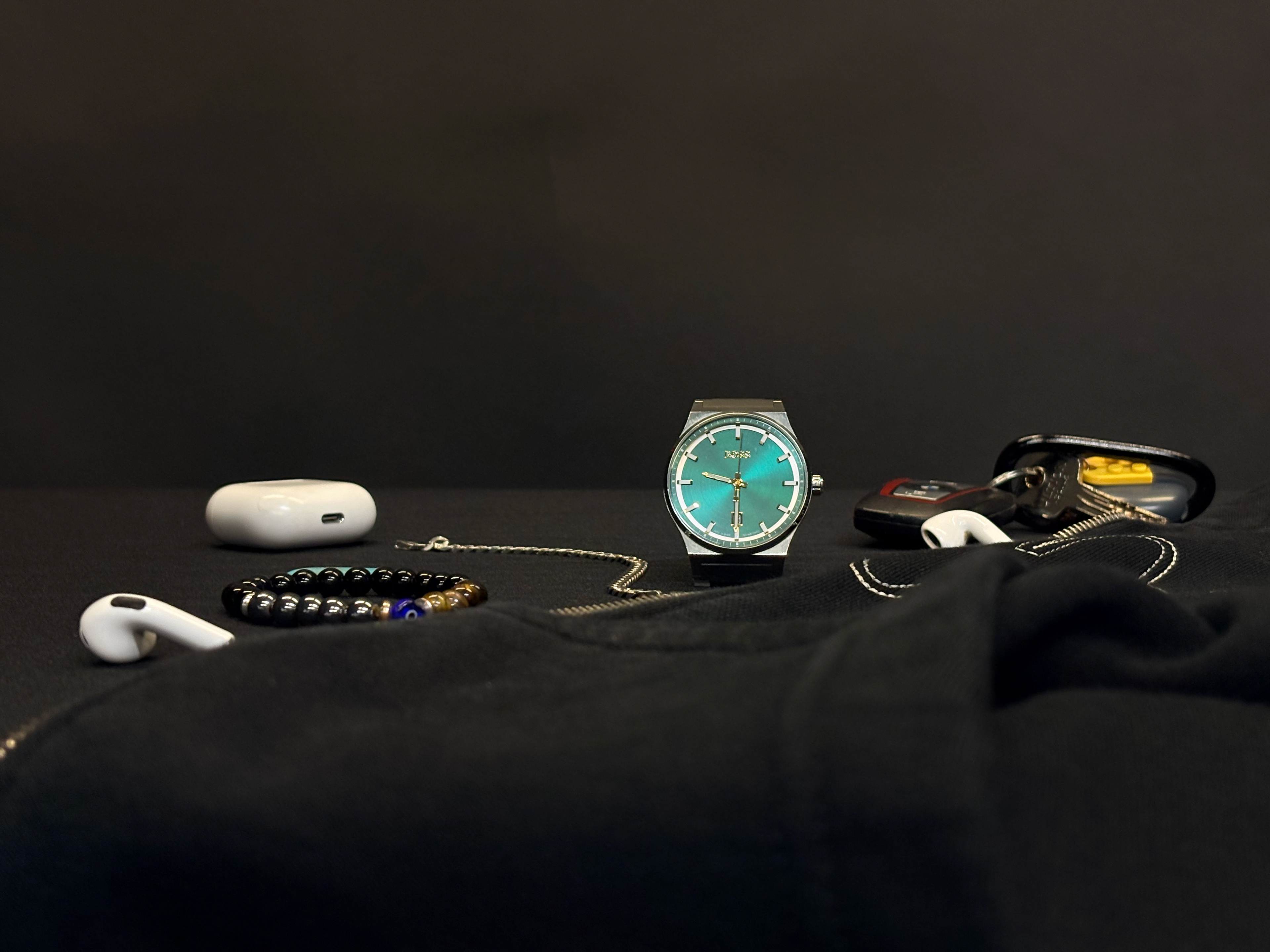
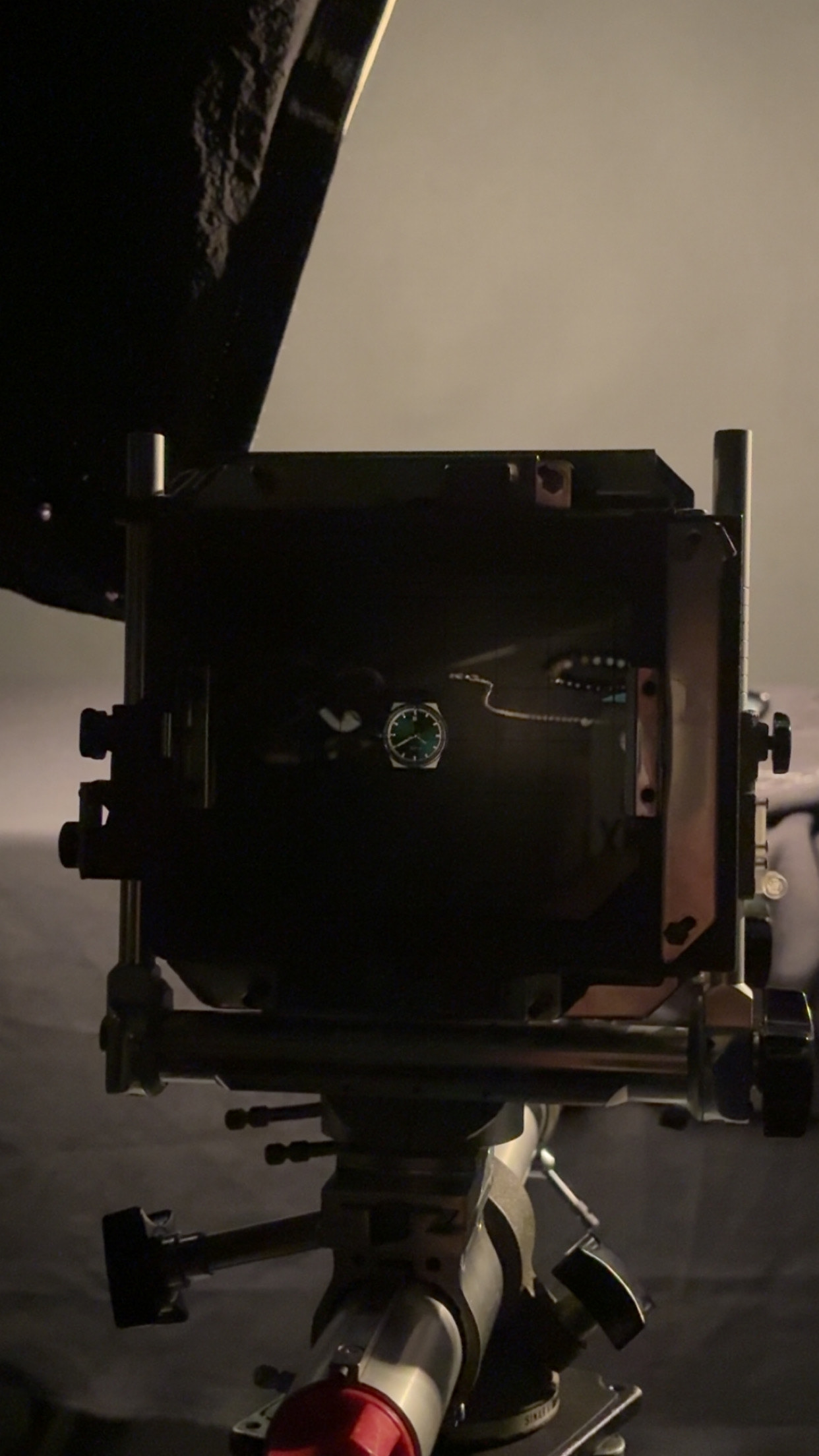
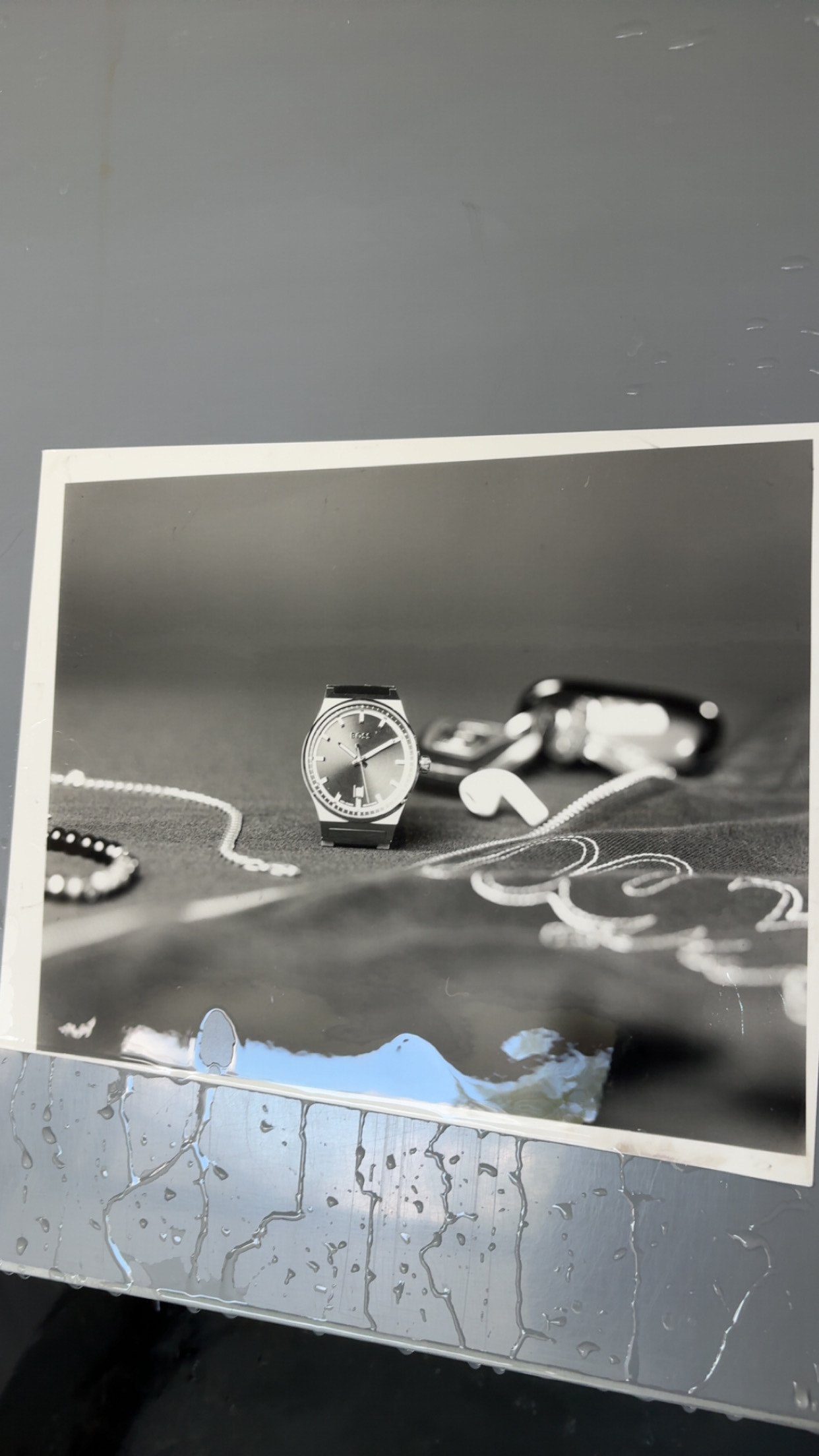
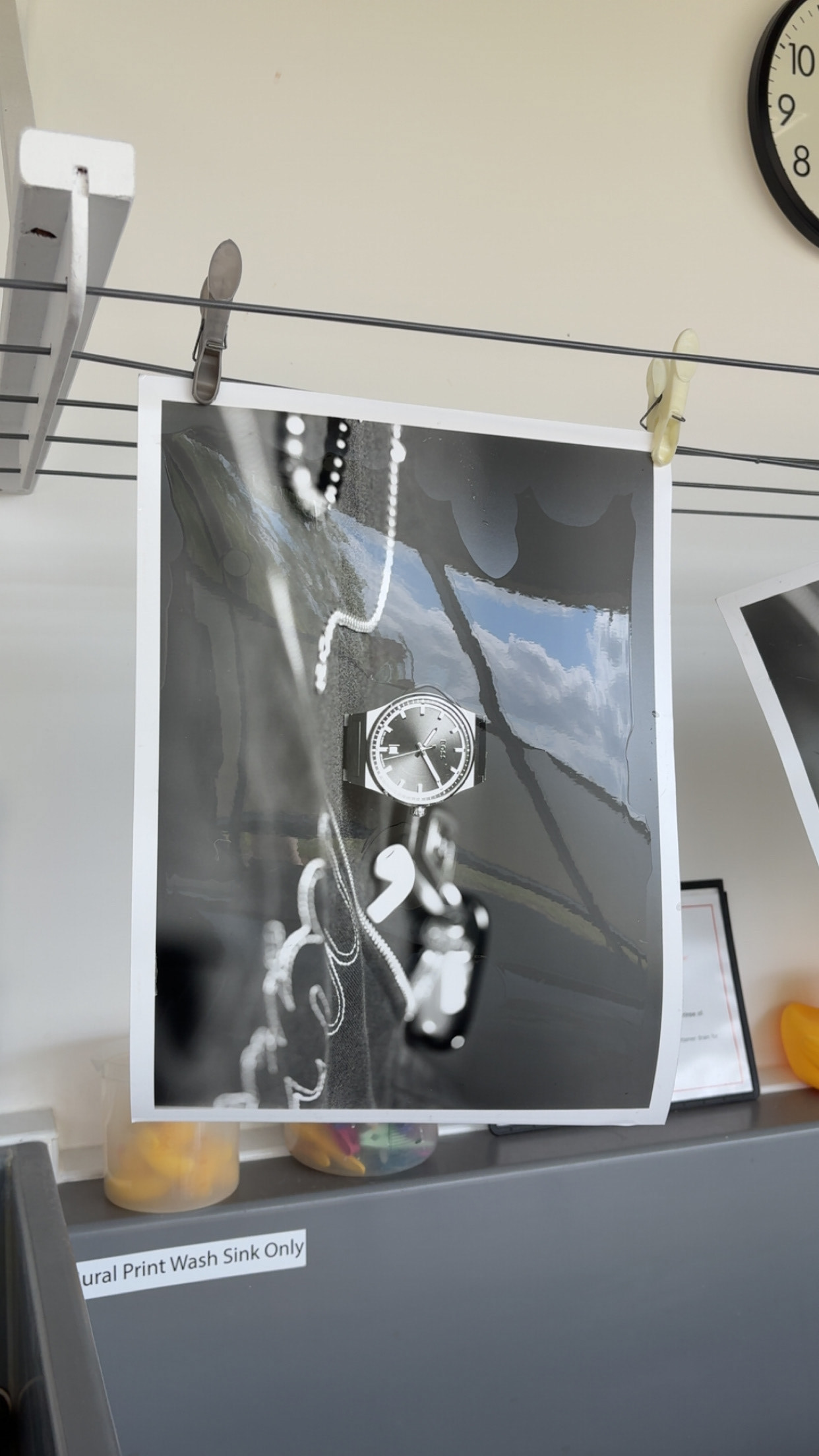
I was not happy with my last shoot so I decided to go for a somewhat more simple version and photographed everything I was carrying on the day. I layed out my jewellery and all the items from my pocket onto the black table and used the black backdrop to create a moody image. I then arranged all the items in a way I was happy with which ensured proper spacing to keep the frame full without being crowded and then placed my jumper over the front of the frame with the text creating an added texture. I then used a light camera left, placed in a way where it did not blow out the watch face but still lit the majority of the scene, I then placed a rim light back camera right to add an edge to the watch and fill in any darker areas. I used a 210mm lens with the bellows extended all the way to get a macro focus on the front of the watch face, I used f16 to ensure the hands and logo of the watch would be in focus but the back and foreground would be dropped out. I then did an exposure at 1, 3, 5, 10 seconds to ensure I had usable negatives. I then printed the negatives at f32 for 32 seconds in the final print.
This image shows MY PRESENCE IN THE WORLD BY SHOWING WHAT i CARRY ON MY PERSON EVERY DAY WHILST MAKING THE VIEWER WONDER WHY i MIGHT WEAR THESE SPECIFIC PEICES OF JEWELLERY EVERY DAY.