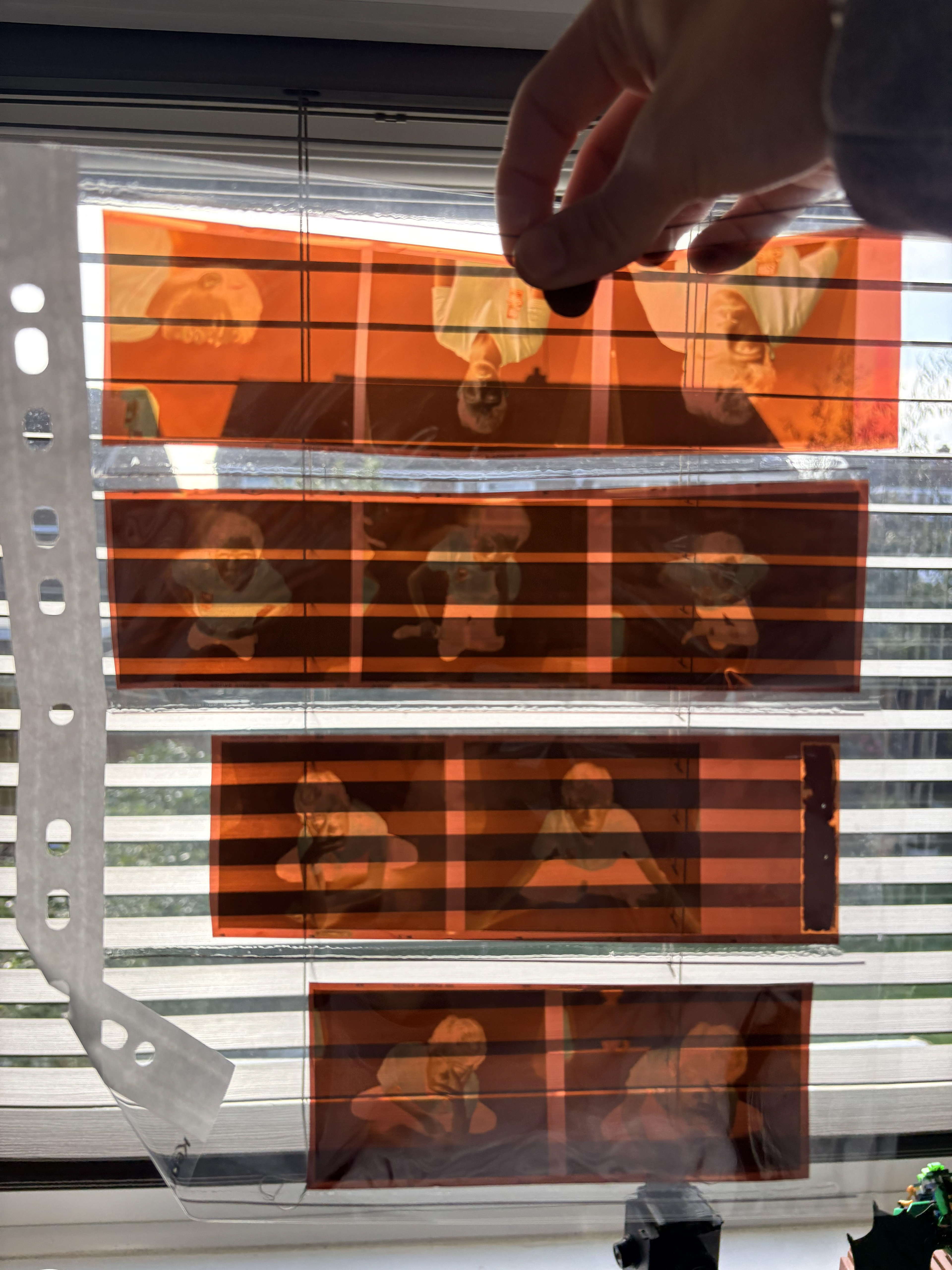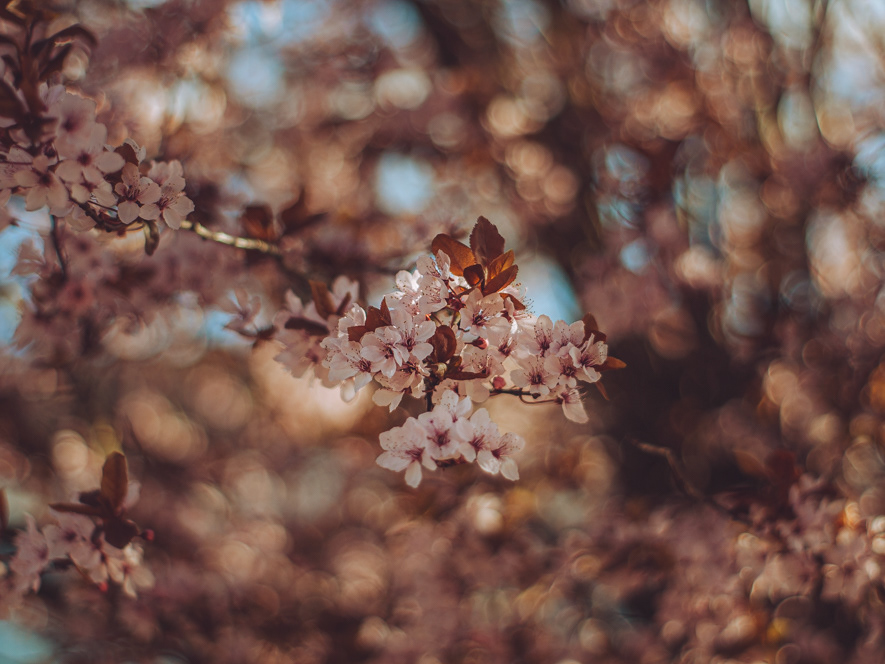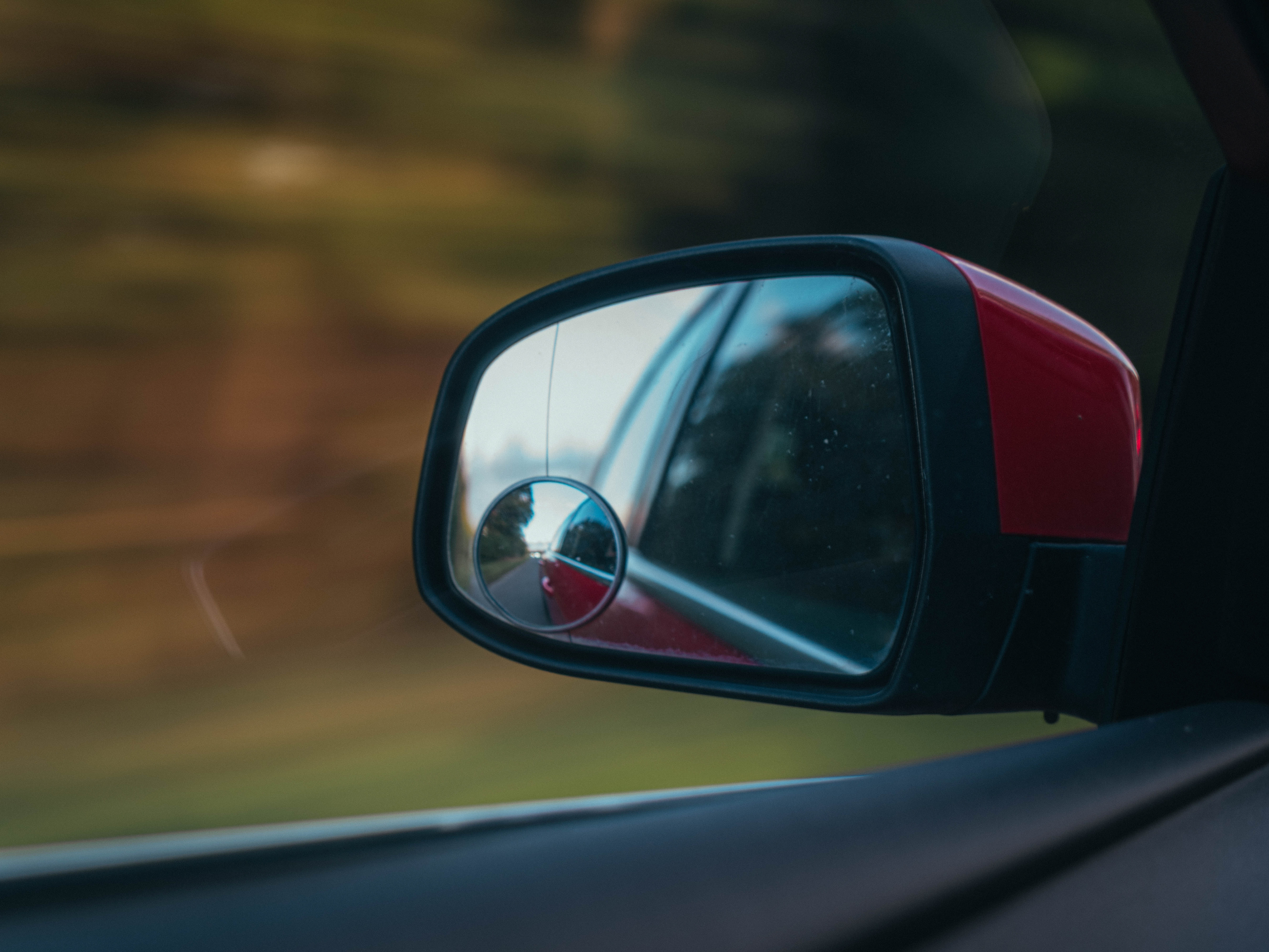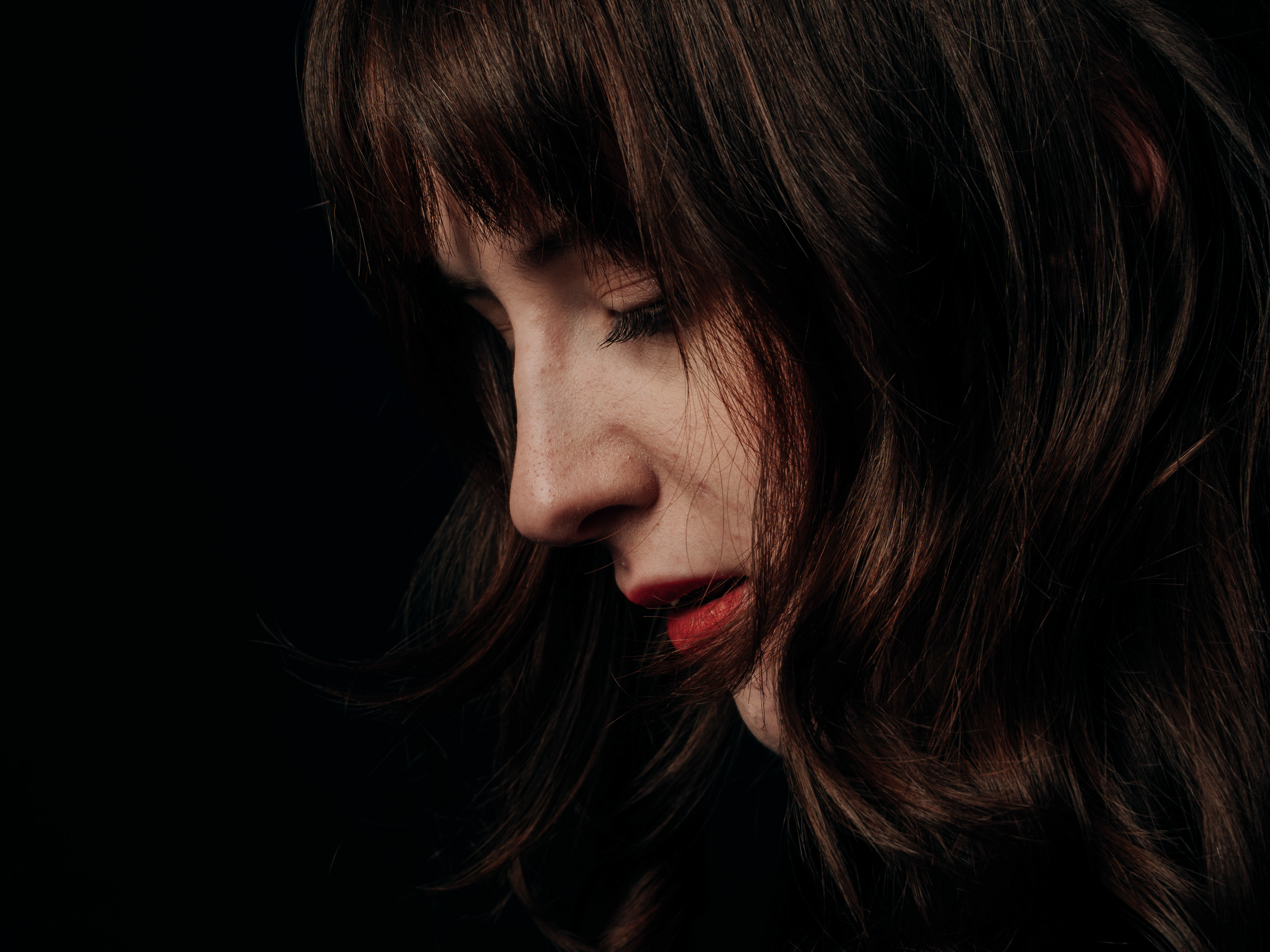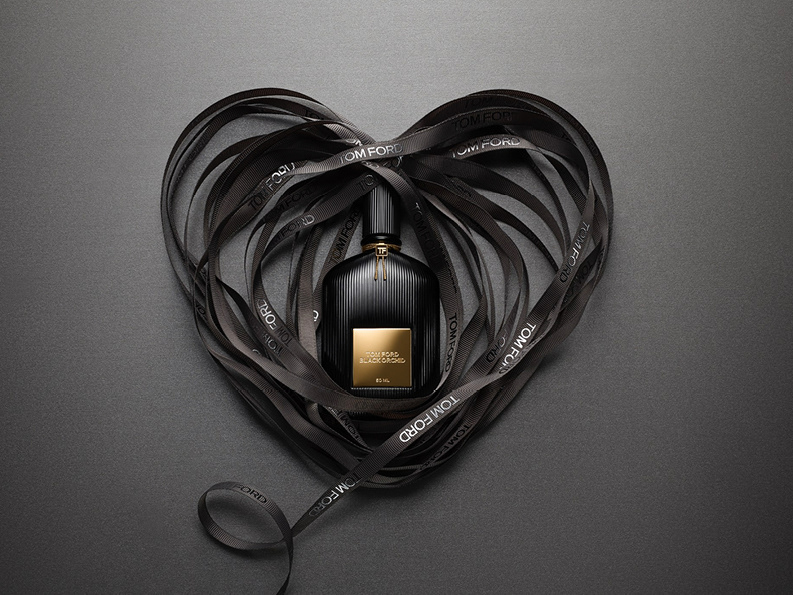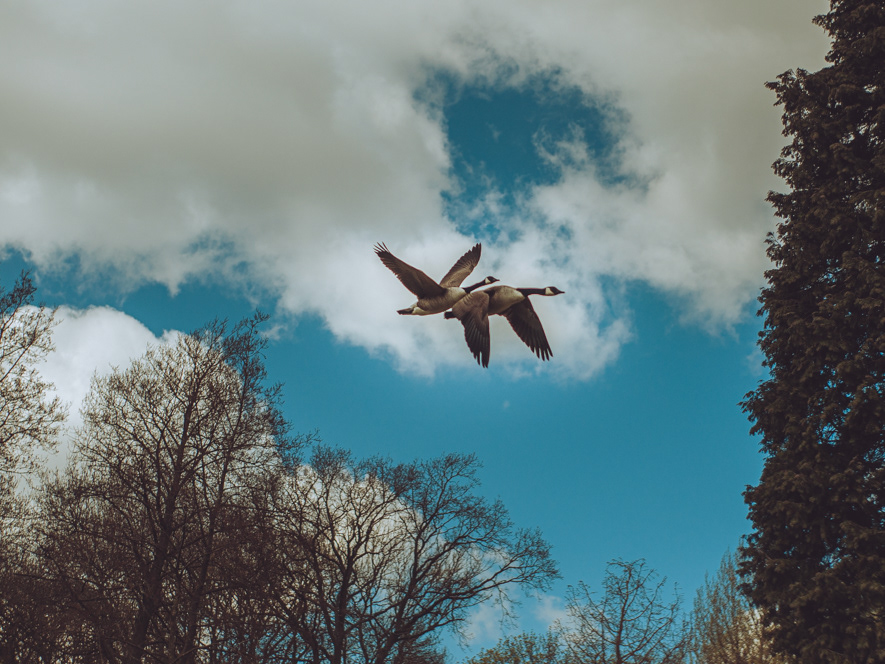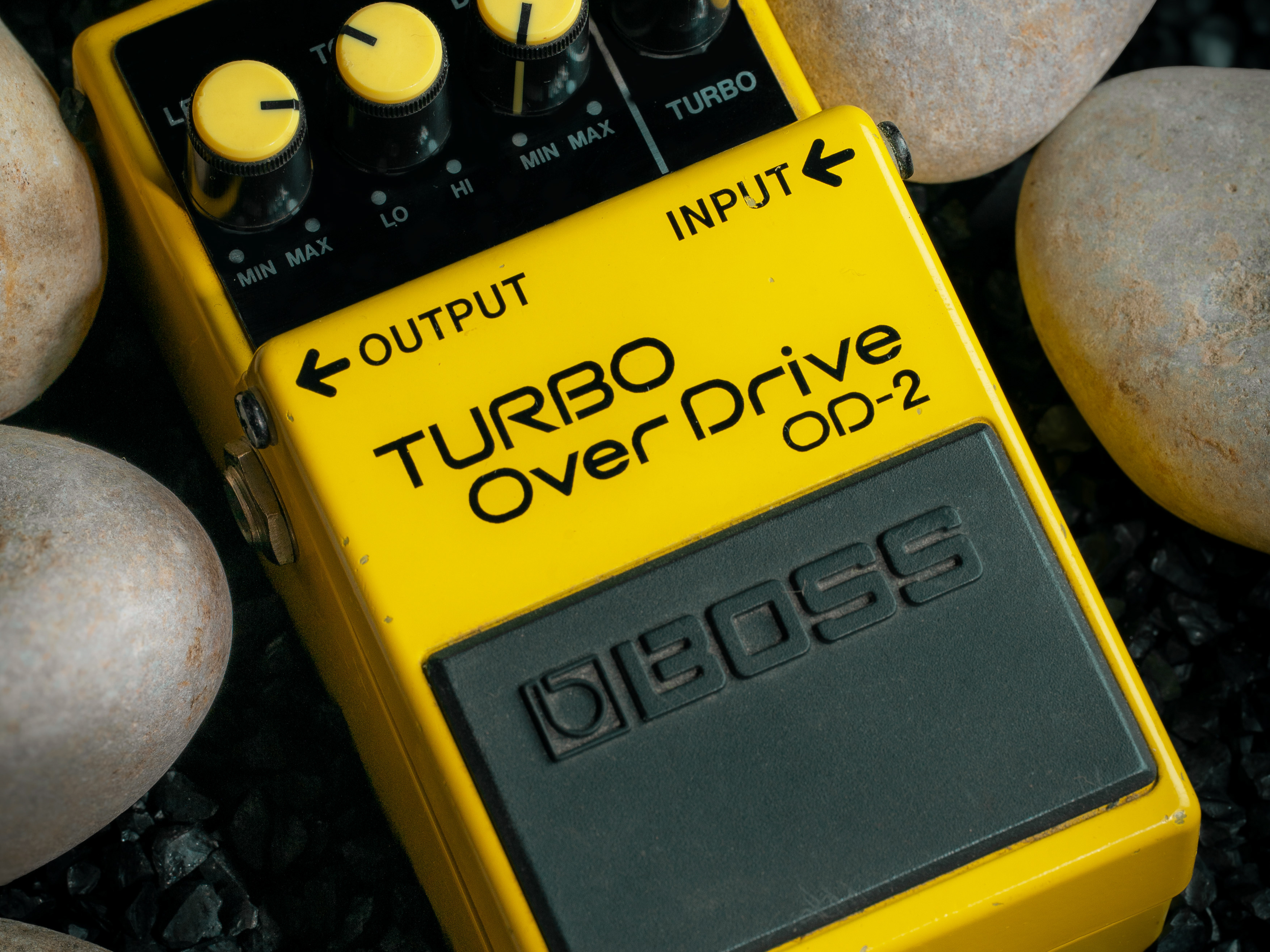
3.2.25- today I learned how to set up the Mamiya rz67 and load film into the camera. the camera uses a single lens mirror to a waist level viewfinder which means the image is reversed in the viewfinder and the user has to look down to see. We then took the camera out to make some images focusing on colour. after this we developed the film using 3:30 mins developer, 6:30 mins bleach, 4 mins wash, 6:30 mins fixer, 1:30 mins wash, and 1:30 stabiliser before leaving them to dry on heat 1 for 30 minutes.
4.2.25- I learned how to connect the analogue rz67 to the flash and use the light meter to get a reading. the light meter is set to flash mode and the shutter speed is set to around 1/125 and the ISO is set to the relevant iso. the action button is then pressed and a test flash is fired to find the correct exposure.
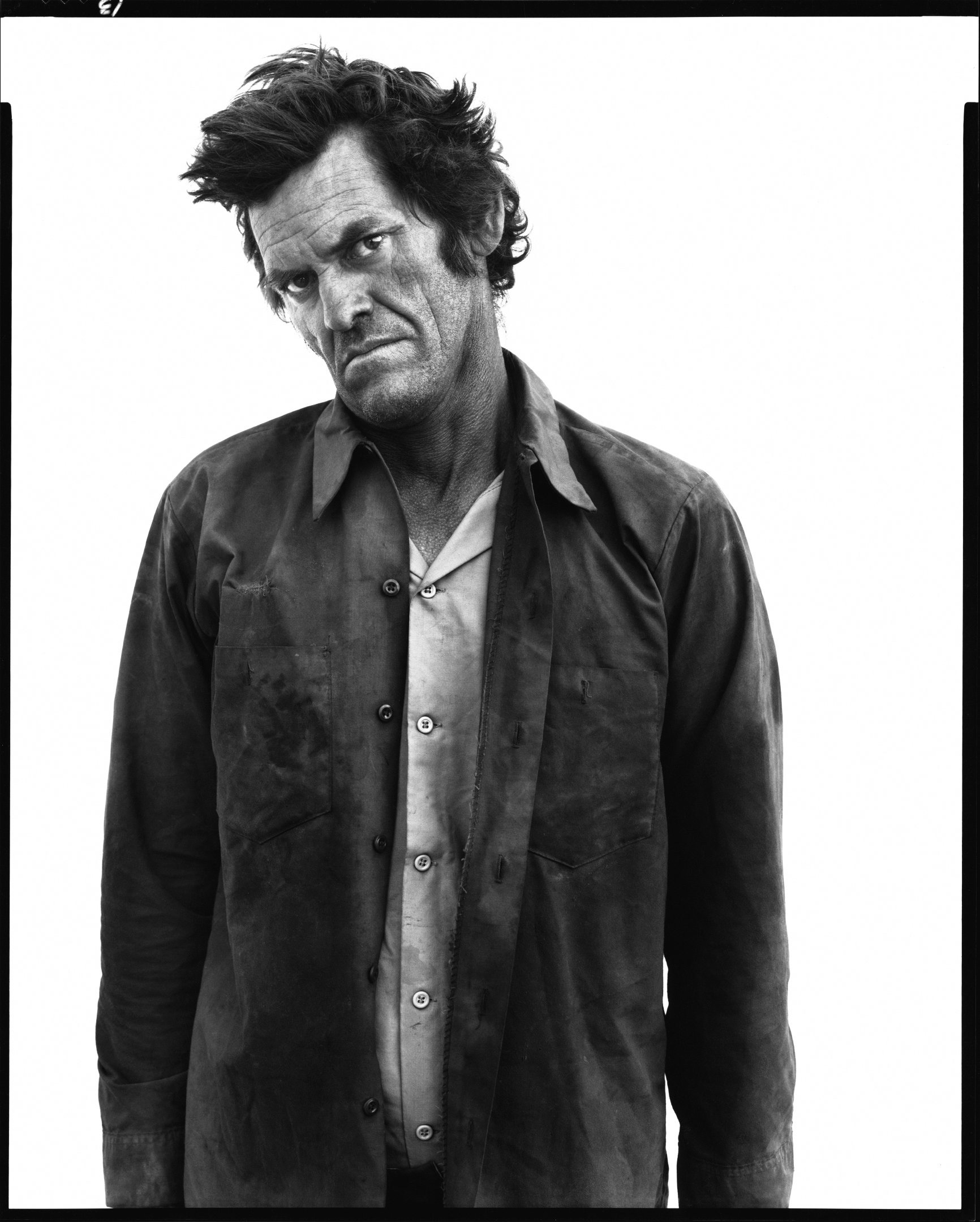
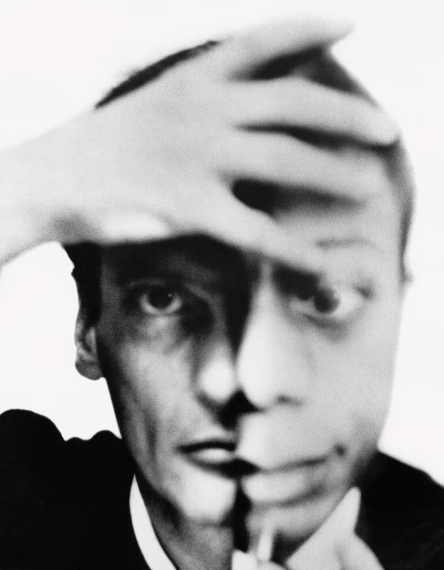
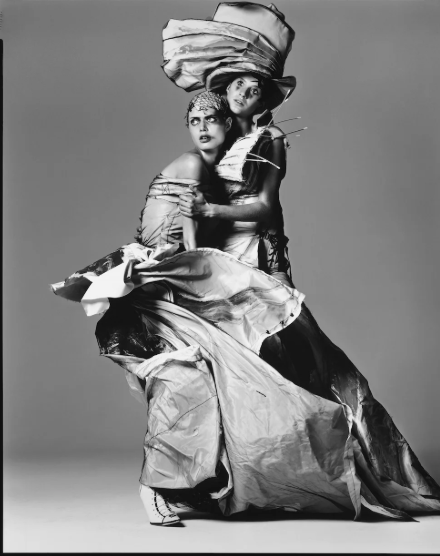
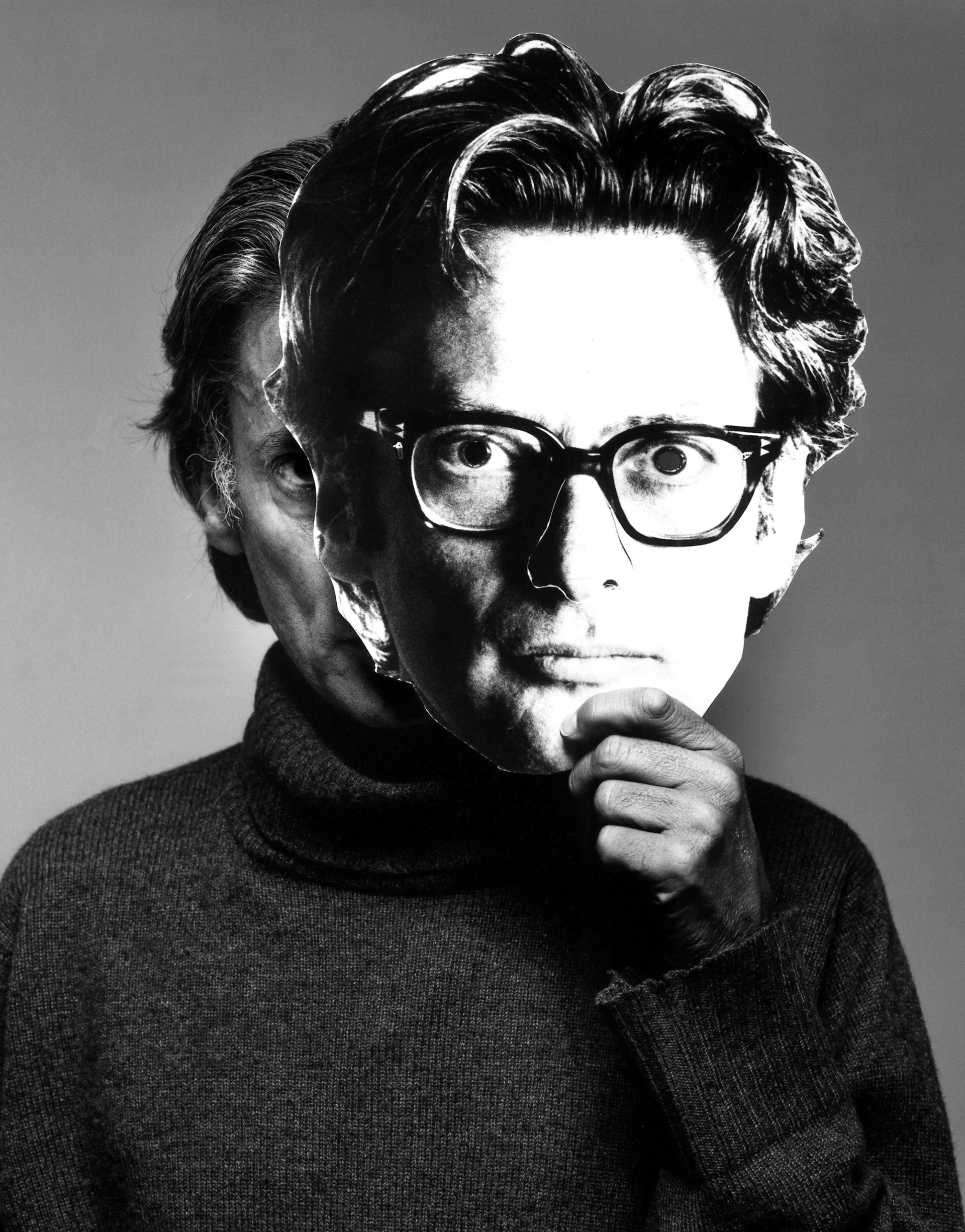
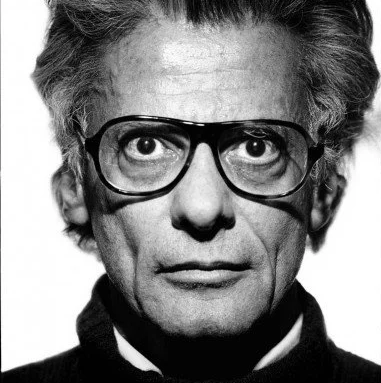
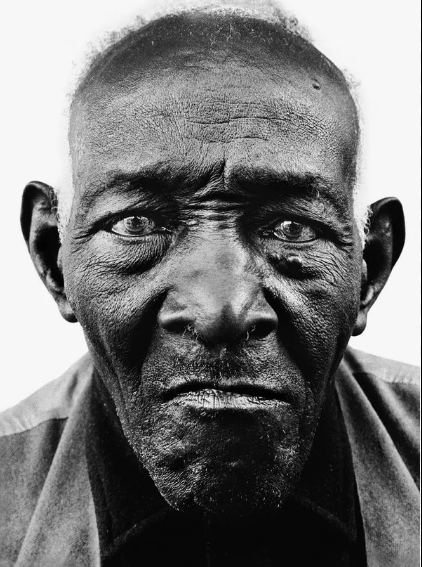
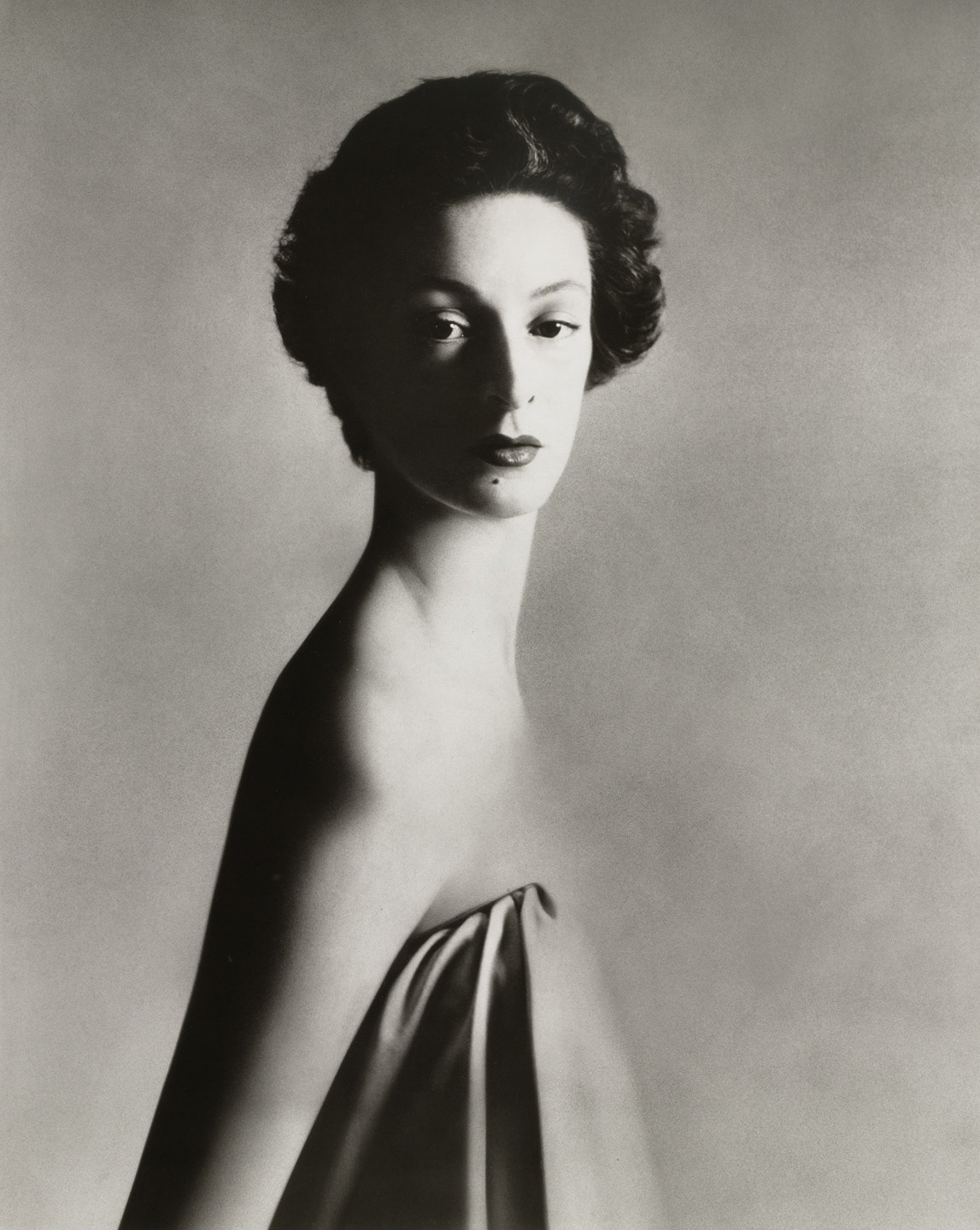
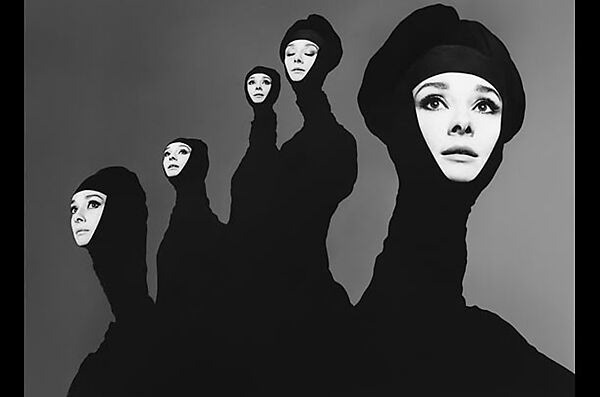
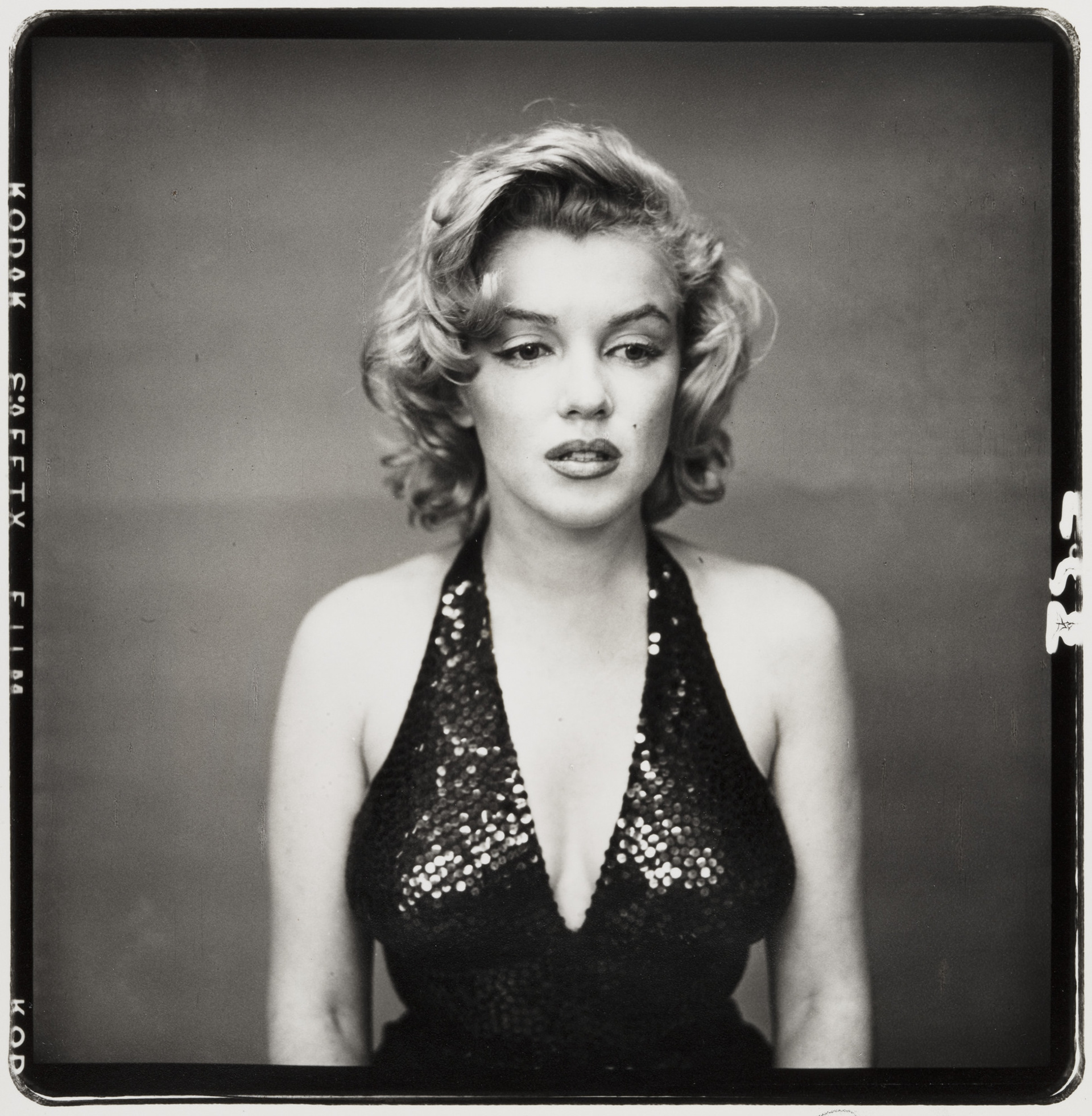
Richard Avedon was an American portrait and fashion photographer born in 1923 who worked with large magazines like vouge and Elle, he specialised in capturing movement within his images. After his death in 2004 the new York times said "his fashion and portrait photographs helped define America's image of style, beauty and culture for the last half-century"
He was born in new York city and his father was a Russian immigrant who started his own dress business when he moved to America- his mothers family owned a dress manufacturing business who encouraged this. this of course encouraged Richard to develop a love for fashion. When he was twelve he joined a camera club and would use his family's box brownie. In1942 he enlisted in the merchant marines as a staff photographer and would use a rolleiflex camera to take headshots of the crew.
After this he began working as an advertising photographer for a department store- and then joined harpers bazaar after several unsuccessful attempts, this was his dream for the time. he met with the arti director and was hired on the spot.
In 1946 he opened his own studio and started taking images for vouge and life as well as becoming the chief photographer for Harpers bazaar.
in 1965, he left harpers bazaar and joined vouge where in 1973 he would become the lead photographer and photographed most of the covers up until 1988.
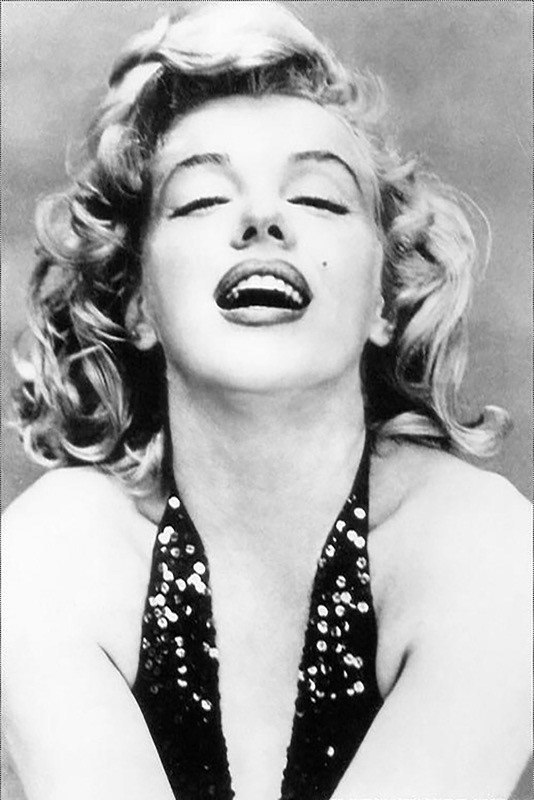
HIs work is well recognised through the subjects and style of images, taking some of the most iconic Marilyn Monroe images as well as many other celebrities- his work is one that shaped the future of photography.
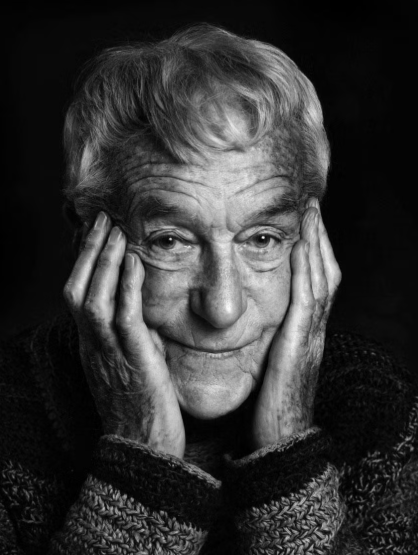
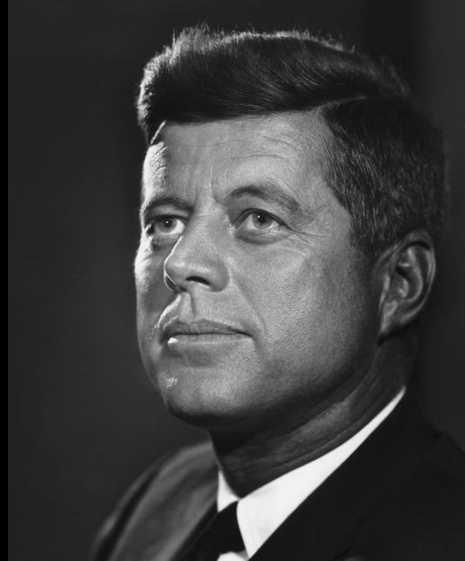
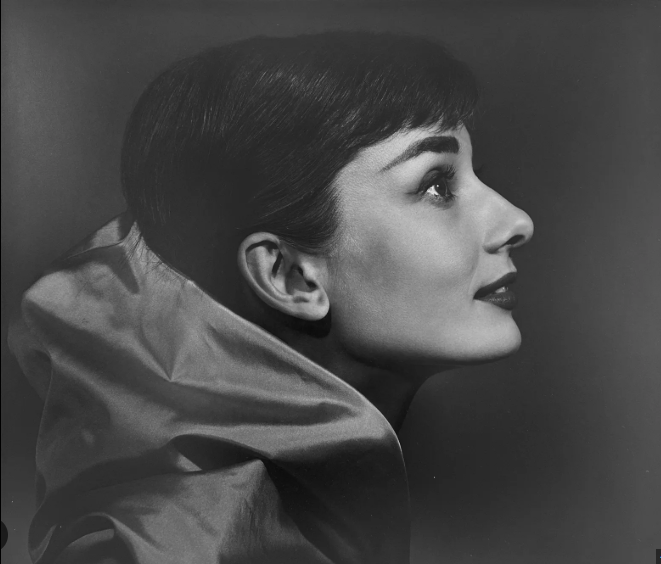
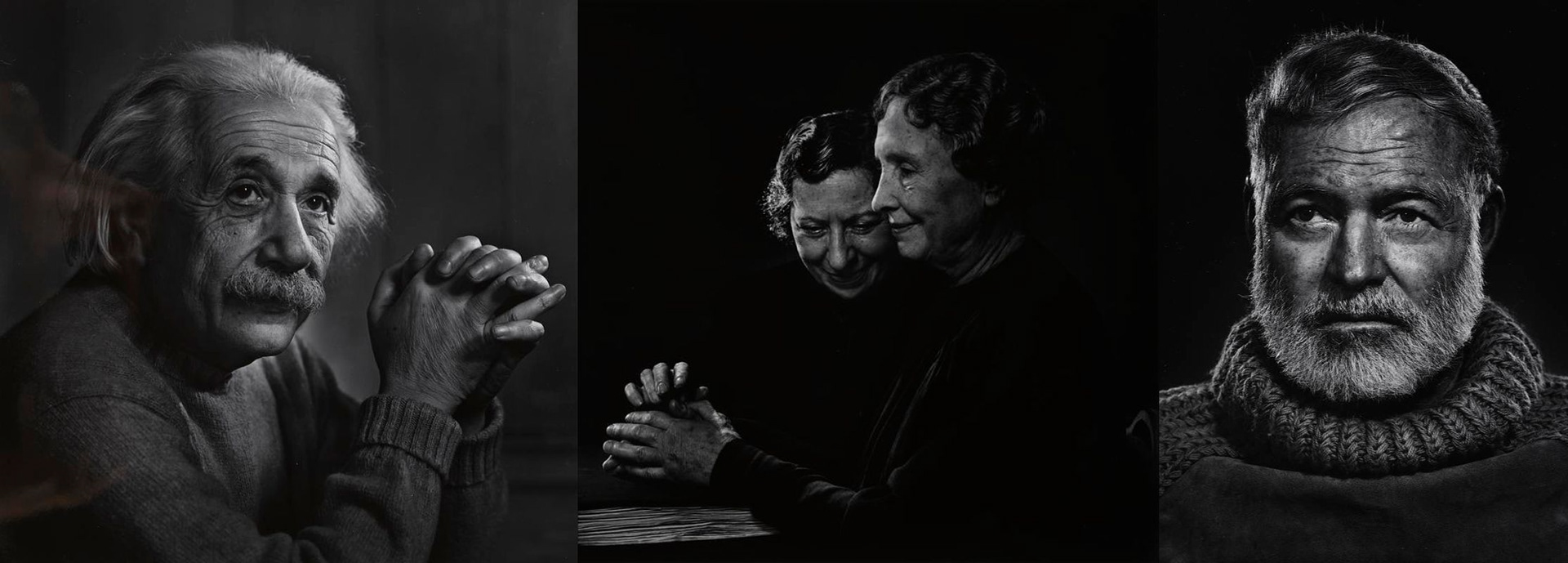
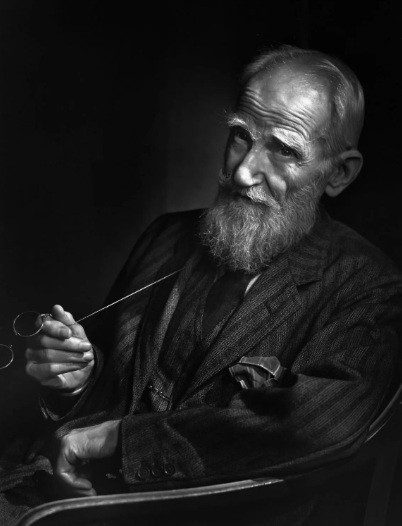
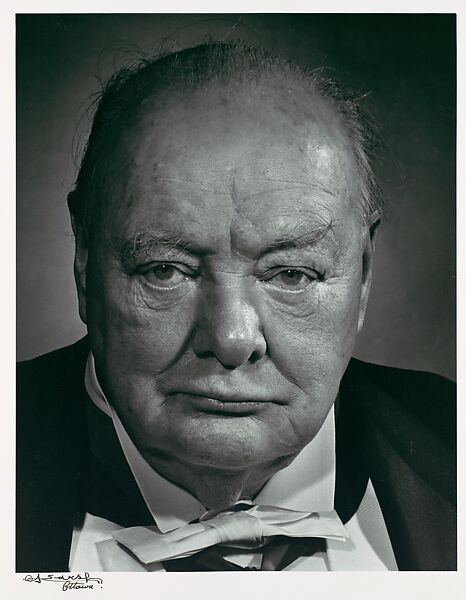
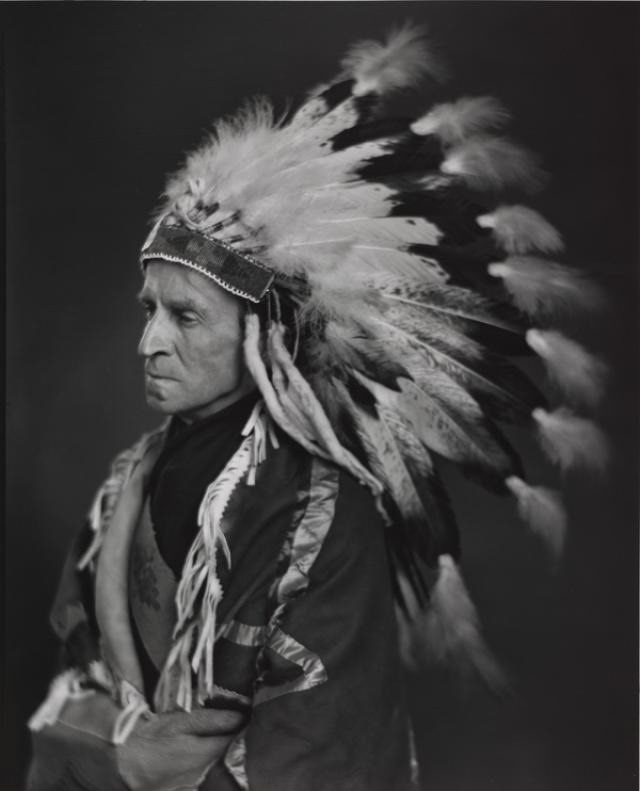
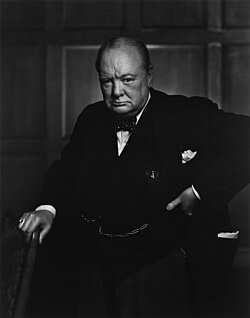
Yousuf Karsh was an "Armenian Canadian" portrait photographer who is best known for photographing celebrities and people in power and is known as one of "the greatest portrait photographers of the 20th century." Karsh emigrated to Canada after the Armenian genocide, and by the 1930s he was known as a photographer in Ottawa. In 1941 he changed the trajectory of his career by photographing Winston Churchill and got him recognised internationally.
Karsh went on to photograph many notable figures in his very specific style with people all around the world wanting him to take his portrait. During his photoshoot with Winston Churchill he couldn't get the expression he wanted to he went up to Churchill and snatched his cigar from his hand leading to his displeased and angry expression on his face. He was incredibly good at getting his subjects to look exactly how he wanted to portray them.
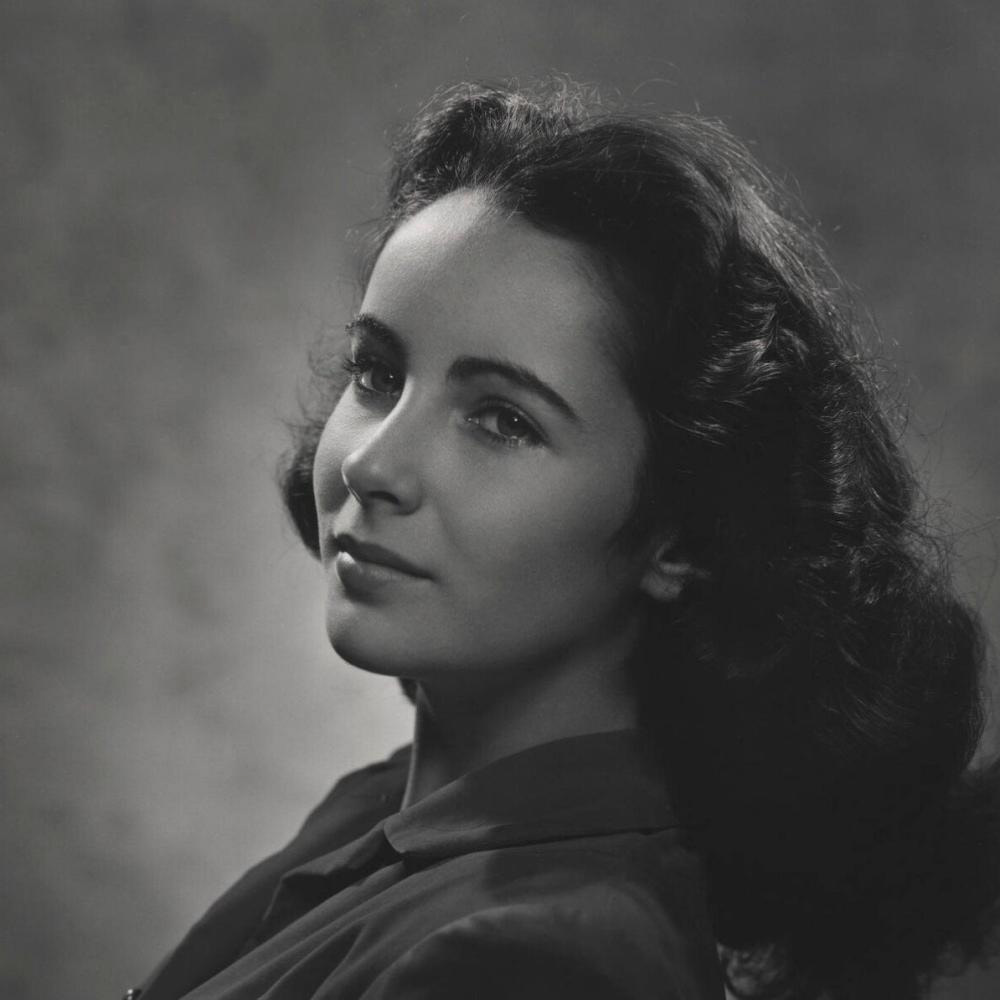
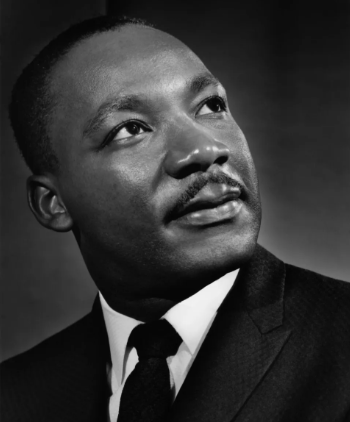
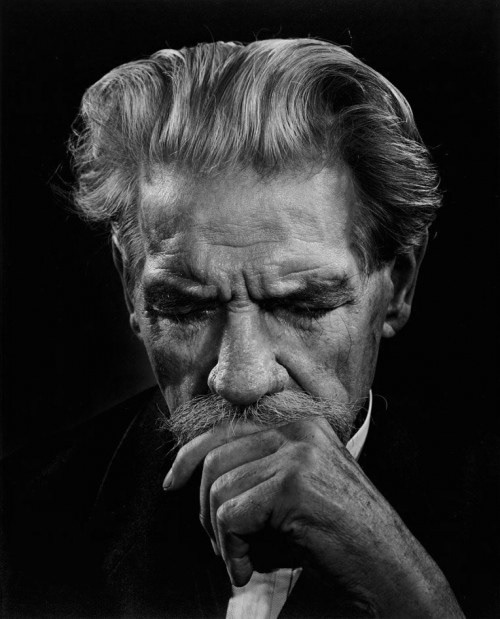
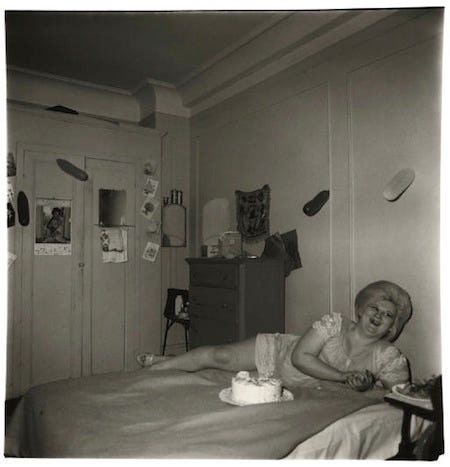
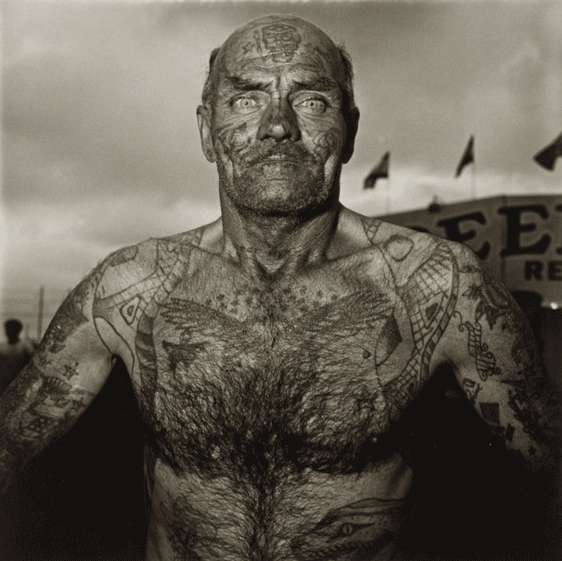
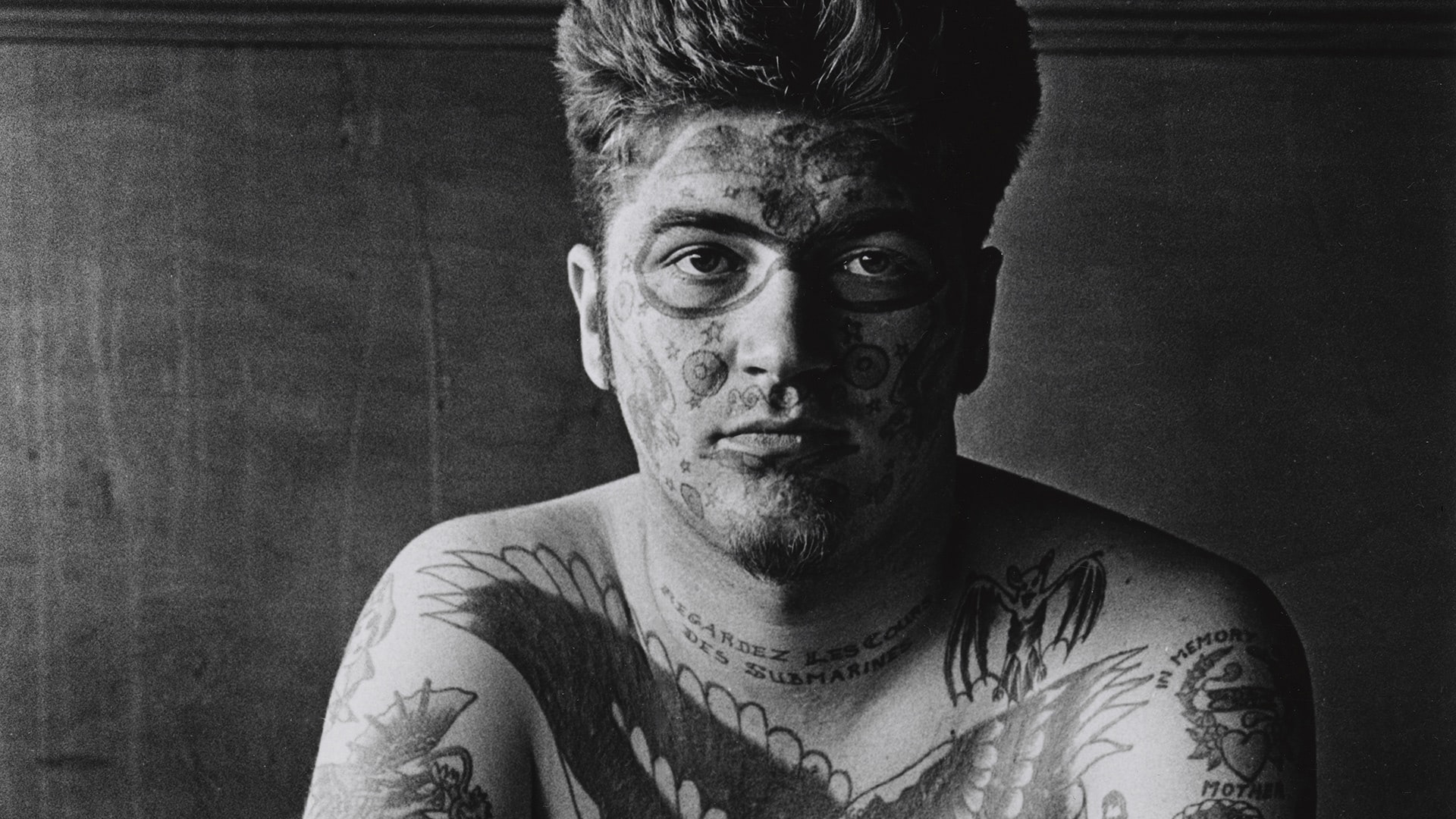
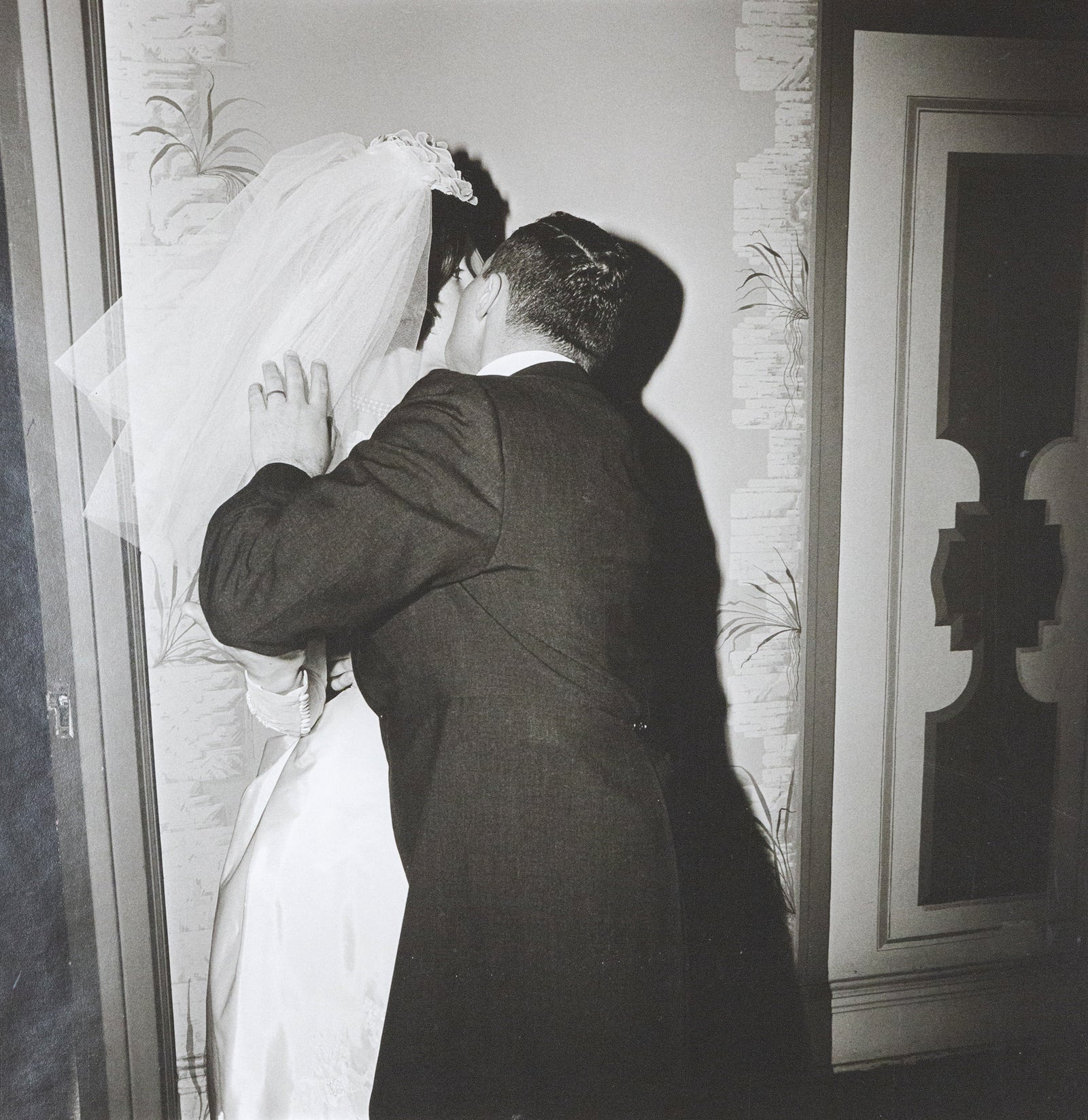
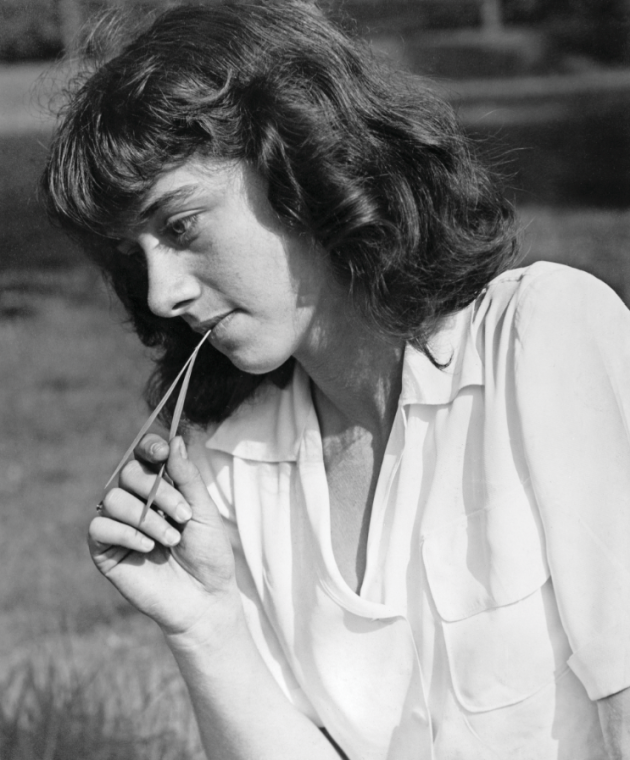
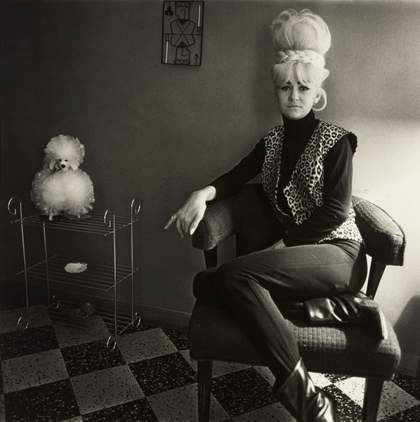
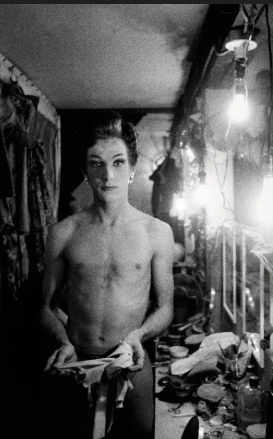
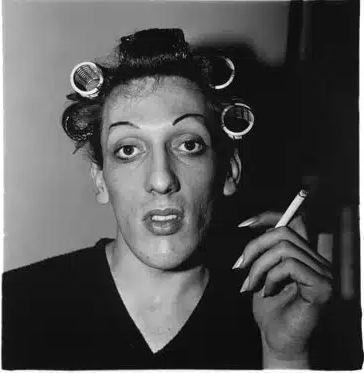
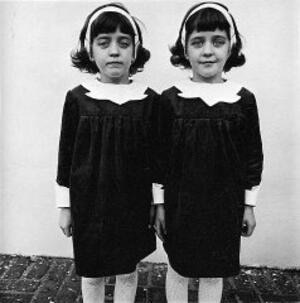
Diane Arbus born 1923 was an American photographer who photographed people who "she was fascinated with" - often at the time called freaks. This ranged from people with dwarfism, nudists, and carnival performers and many others. She is known for being one of the first to do so and "expanding acceptable subject matter" inside of photography. she was able to do this by "befriending" rather than "objectifying" her subjects showing she was kind to them through interest not repulsion as others may have been. Arbus received her first camera from her husband, Allan, as a gift after they married and began taking classes- diane's father then employed her an Allan to take advertising photographers for his store and Allan was a photographer for the US Army in WW2. Shortly after the war they opened a photography business "Diane and Allan Arbus" and Diane was the art director- coming up with concepts for the shoots and taking care of the models, after successes contributing to vouge and glamour they were unsatisfied with this and received feedback calling the quality "middling".
In 1956 she began to focus on her own work and walked around New York City with a 35mm Nikon camera and met her subjects by chance.
Her work is incredibly unique and paved a way into acceptance of those who are different by photographing without judgement and with respect.
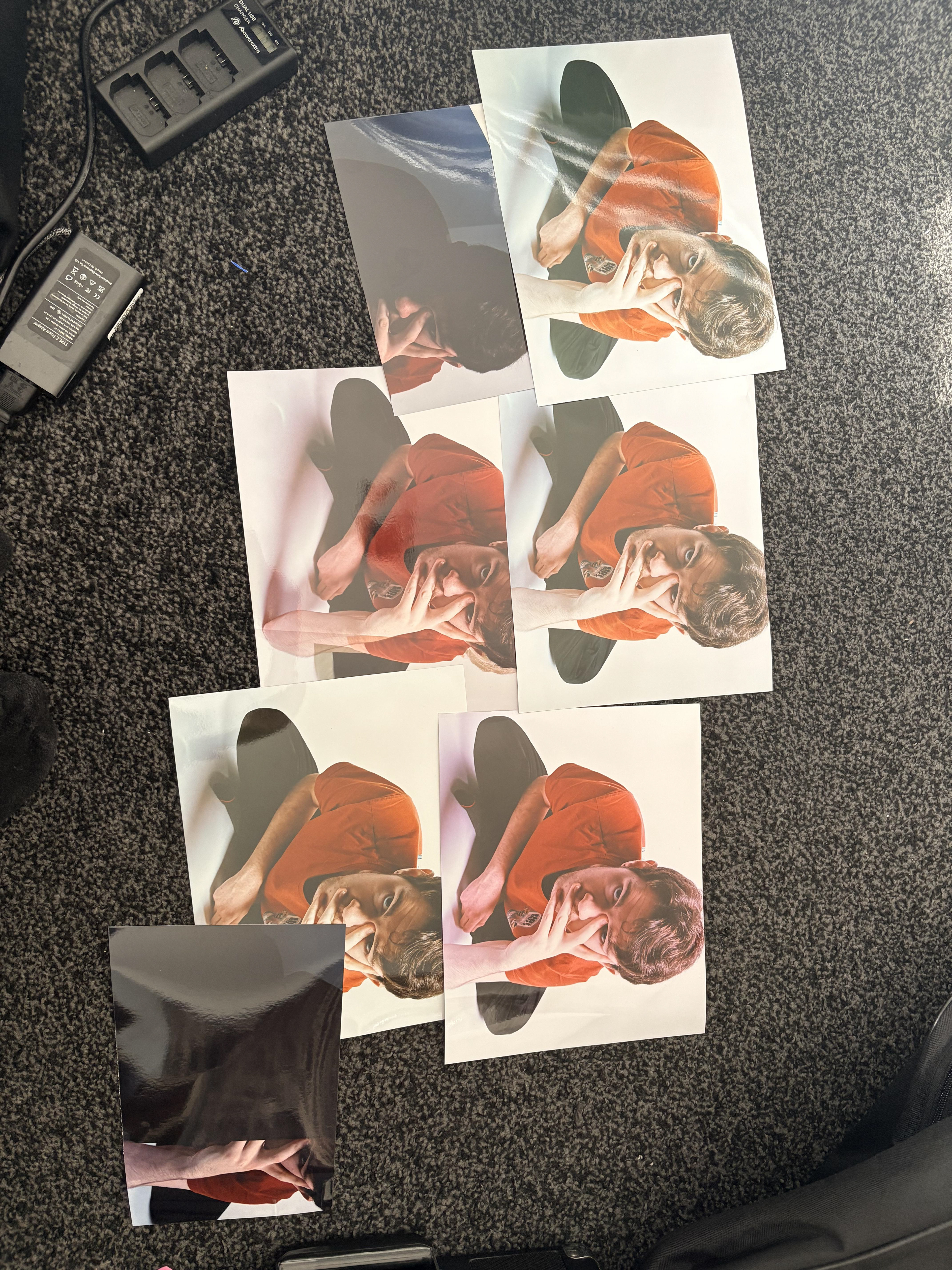
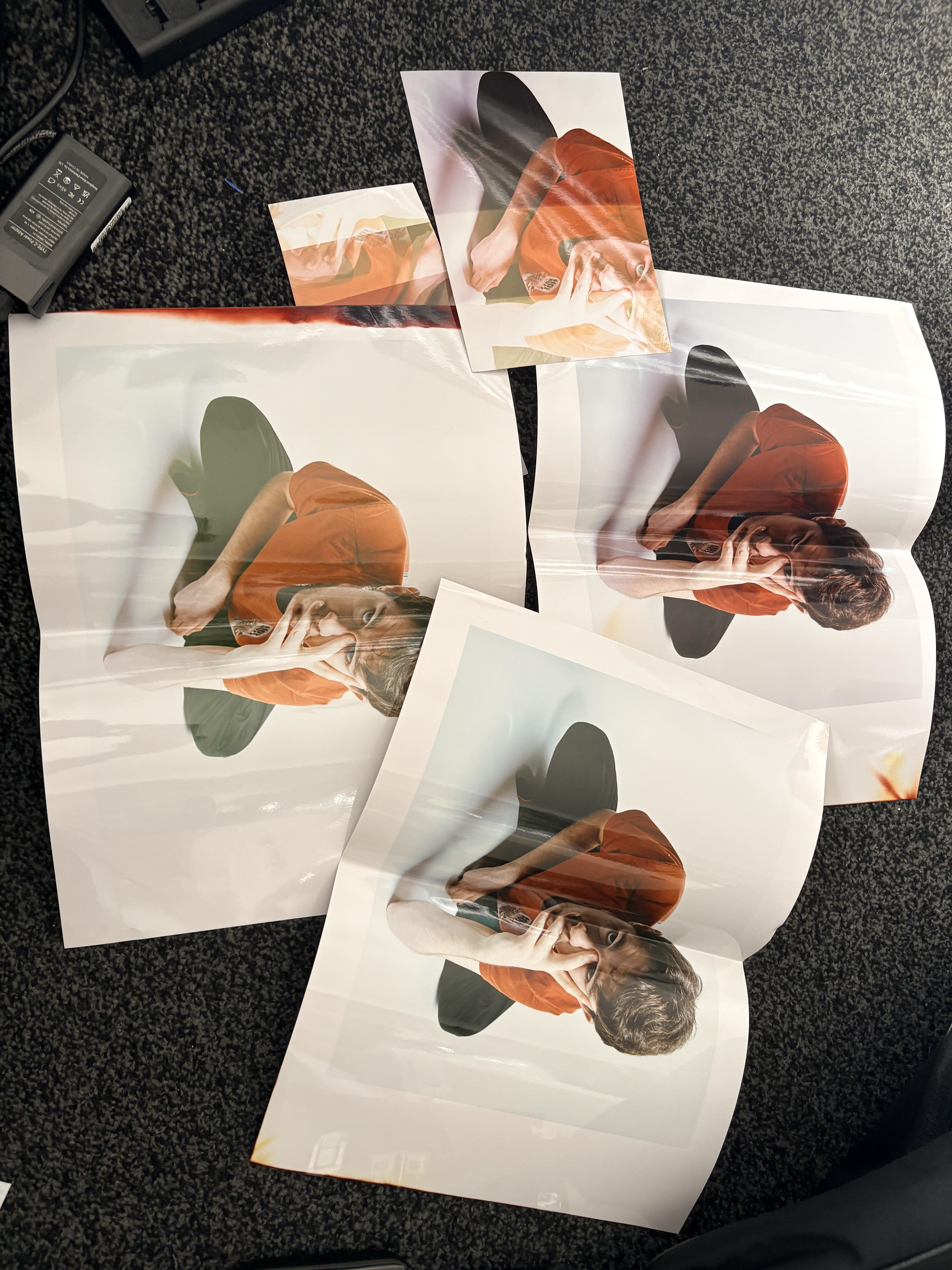
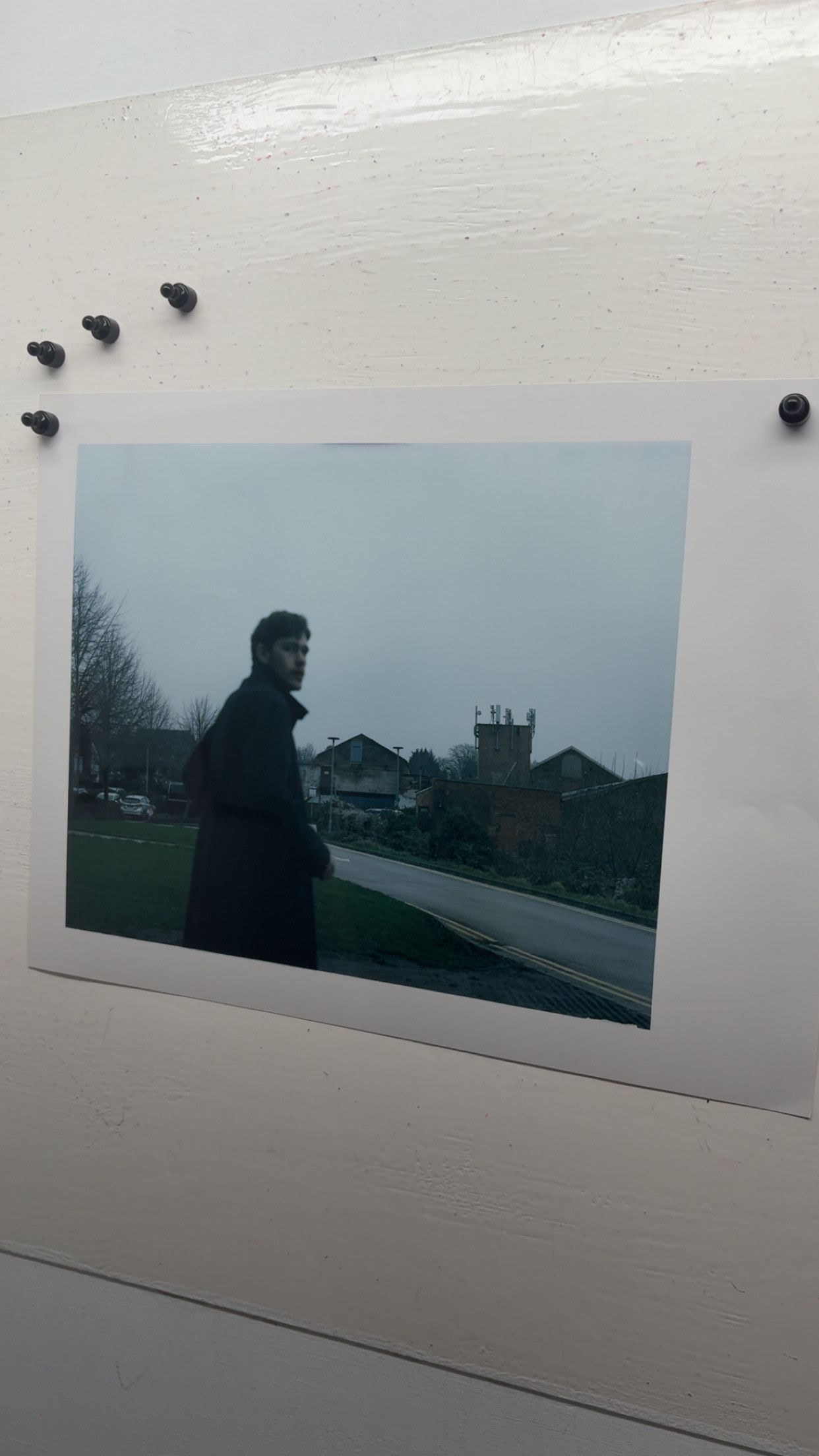
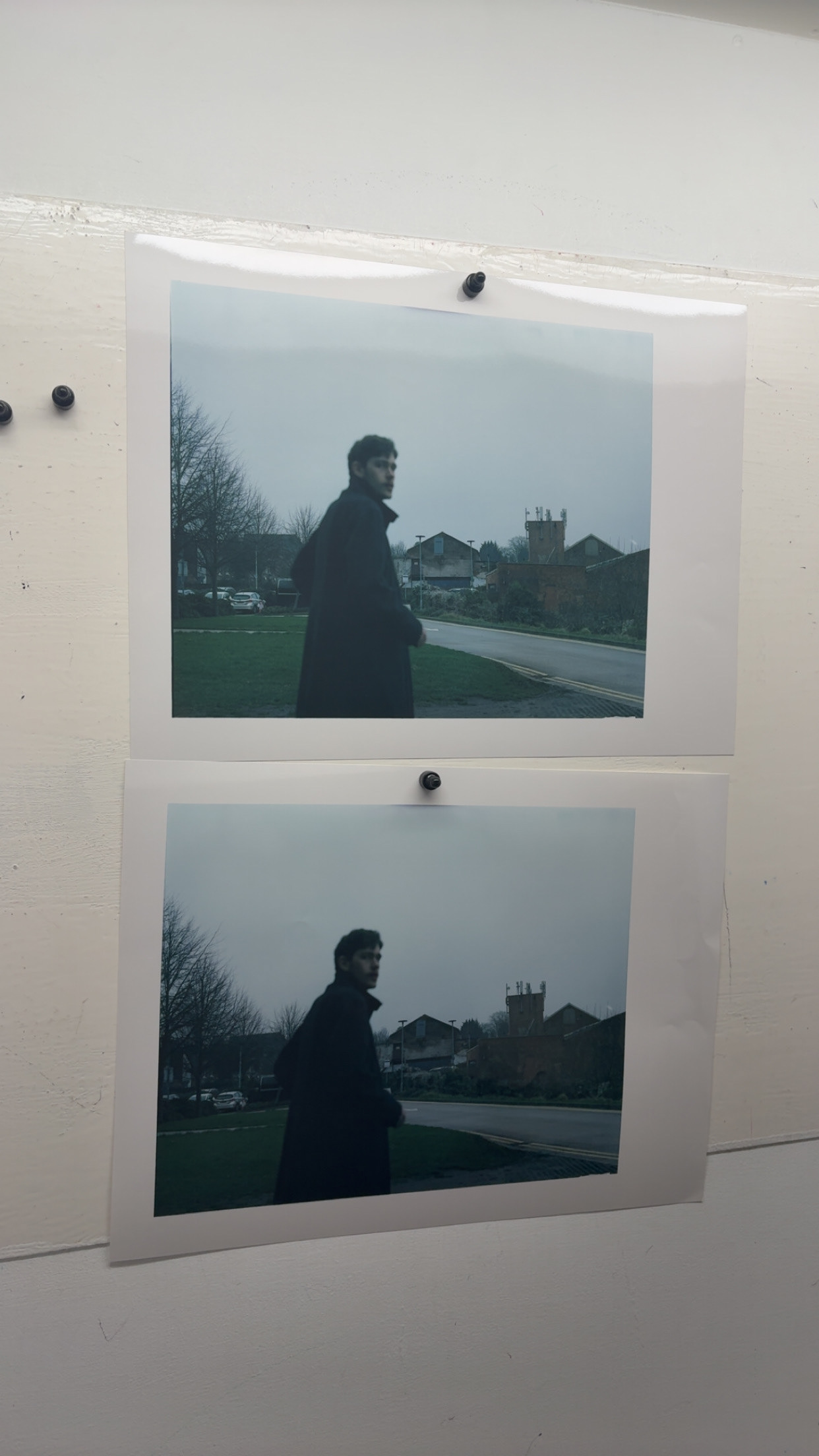
This was my first image printed on the c0lour film. you set the printer to 60m 40y and test trip at 4 second intervals. Then use the colenta to process. come back and adjust the colours and time as necessary until the image looks correct. Then you would print the image on a full paper and process it in the colenta.
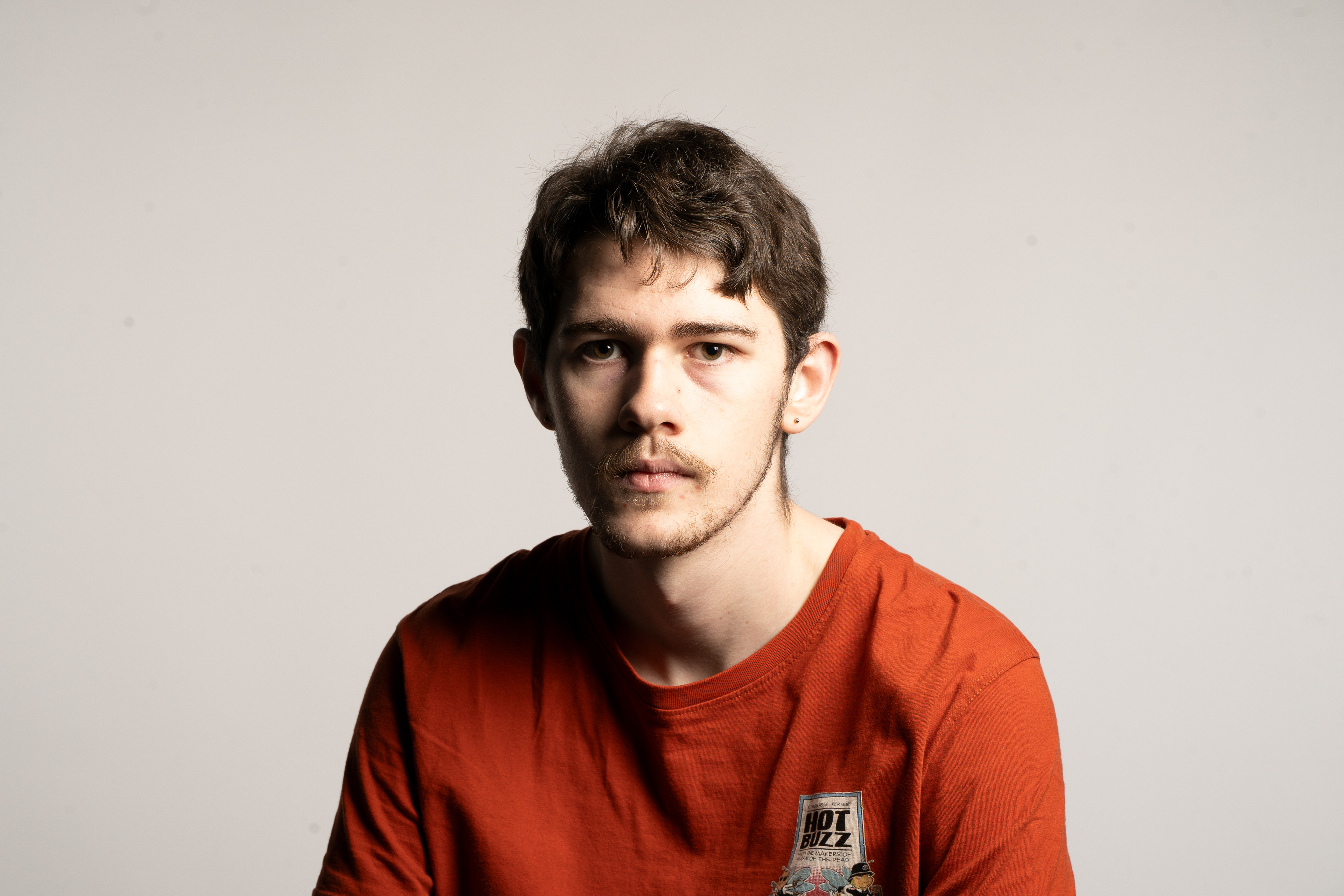
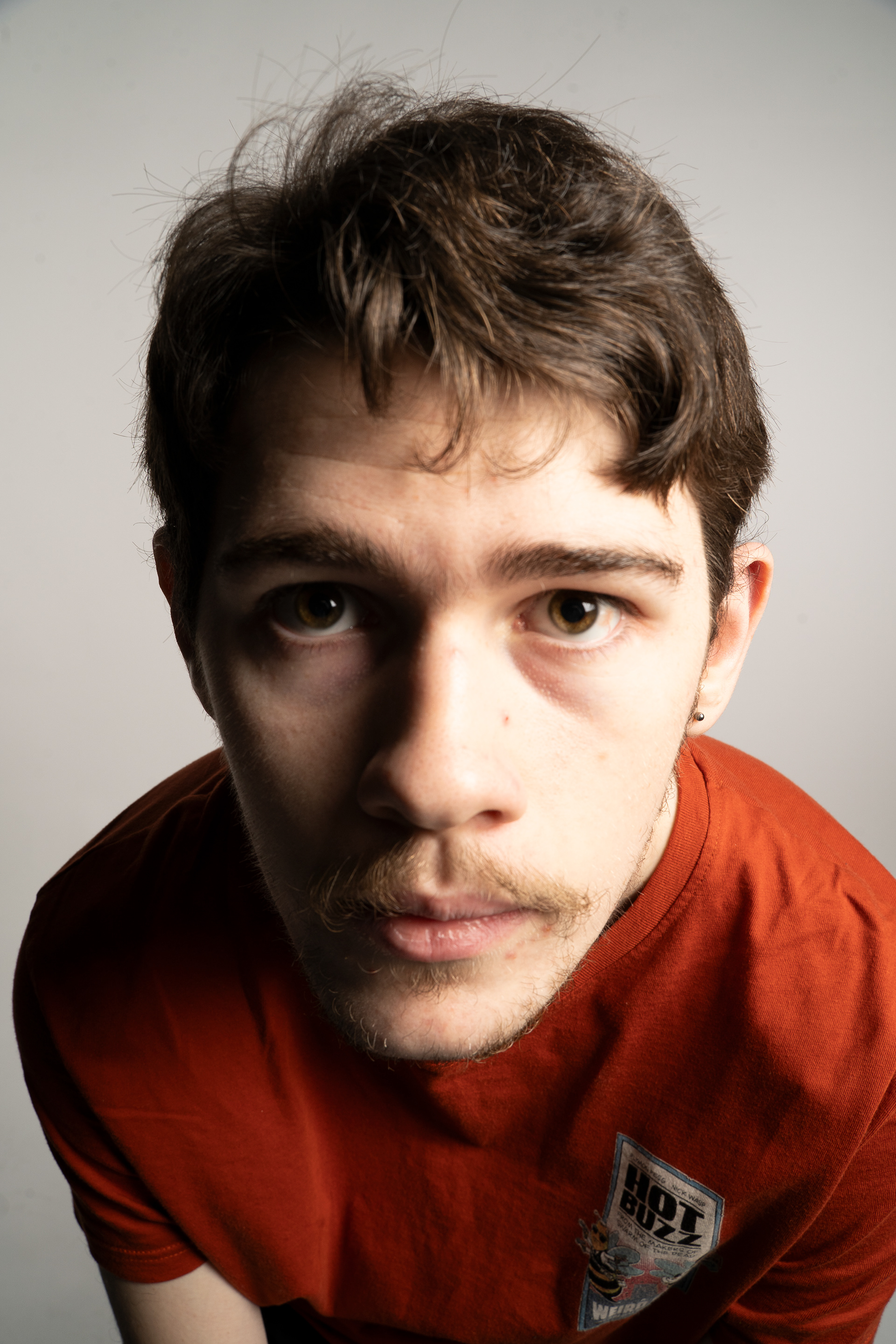
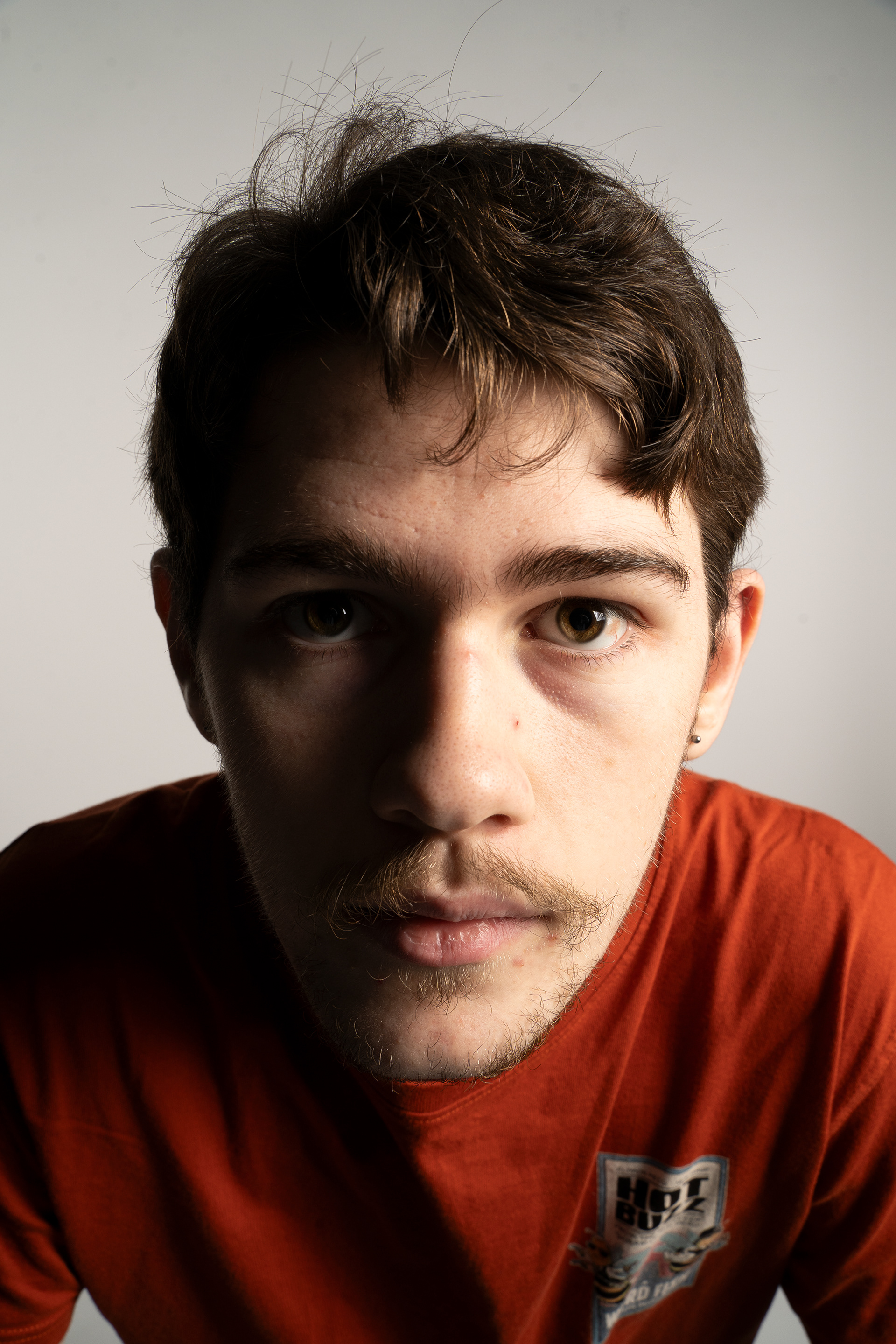
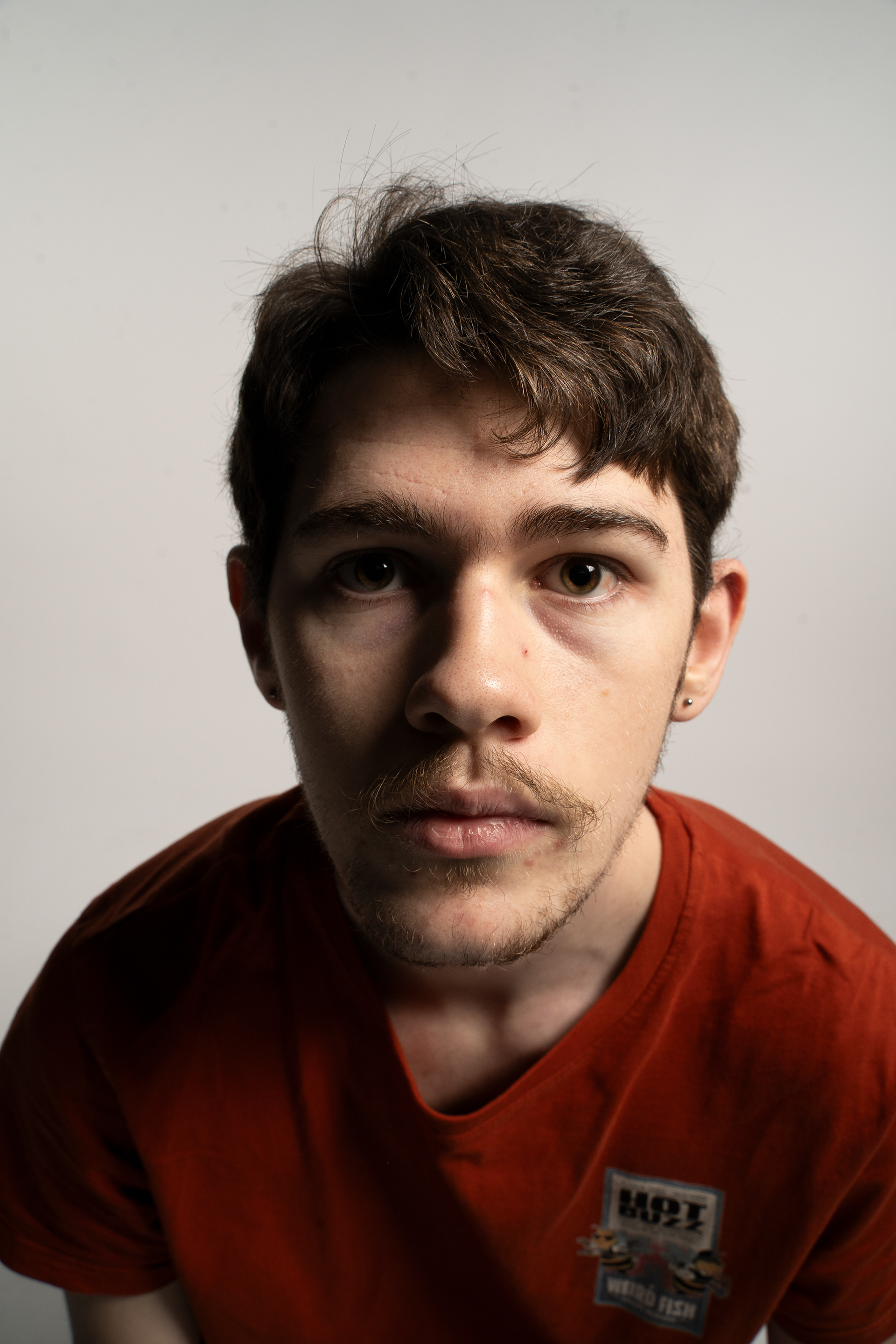
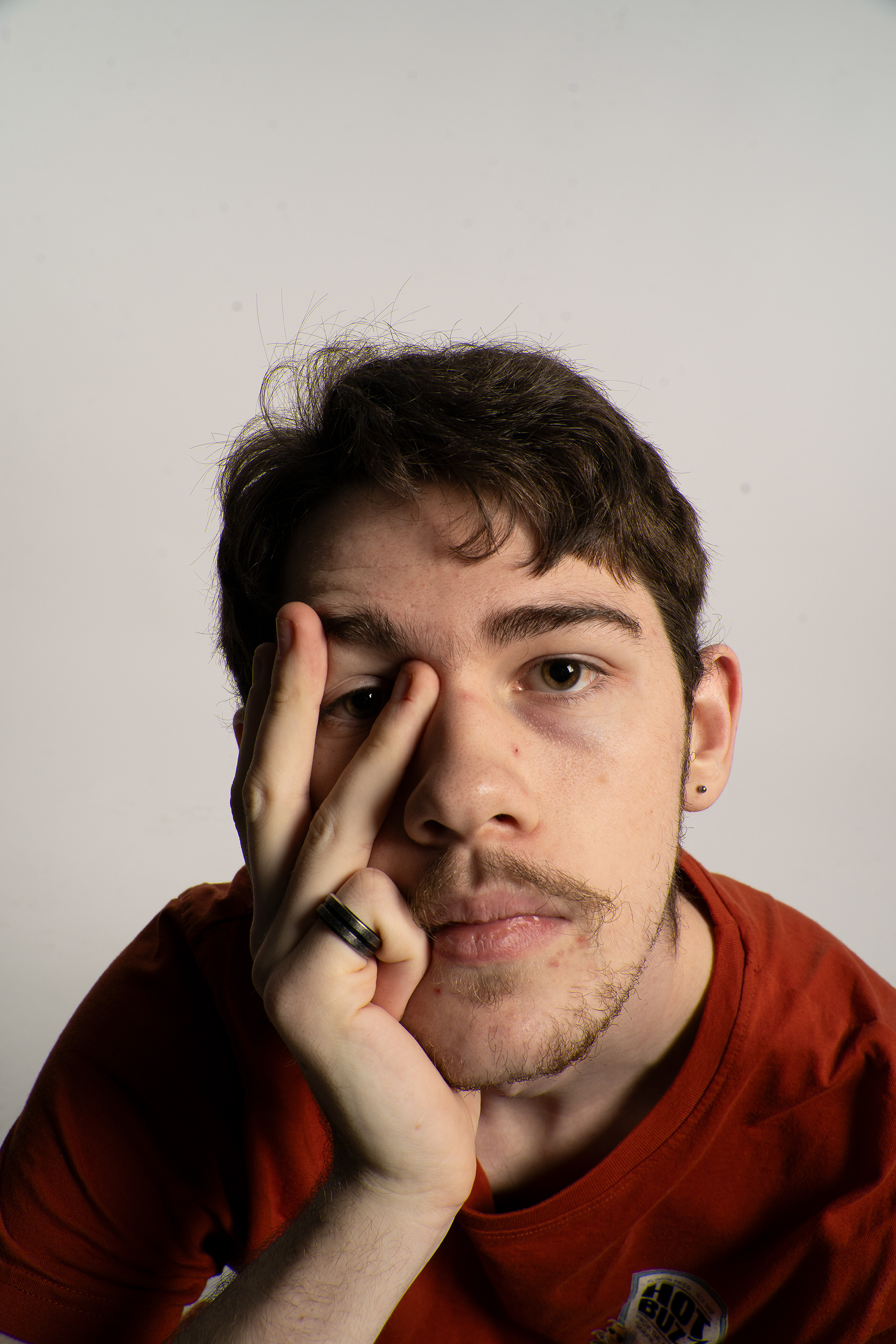
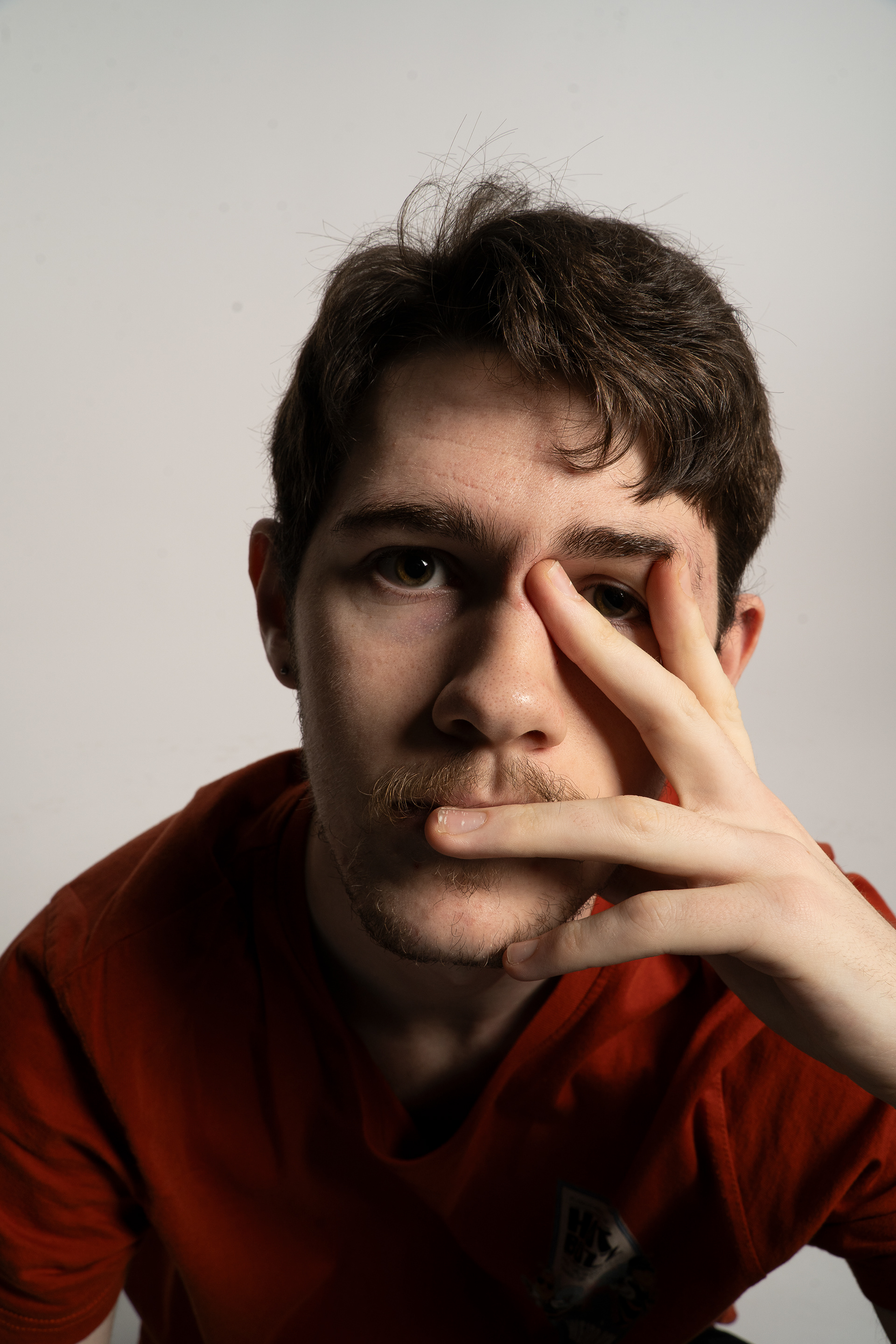
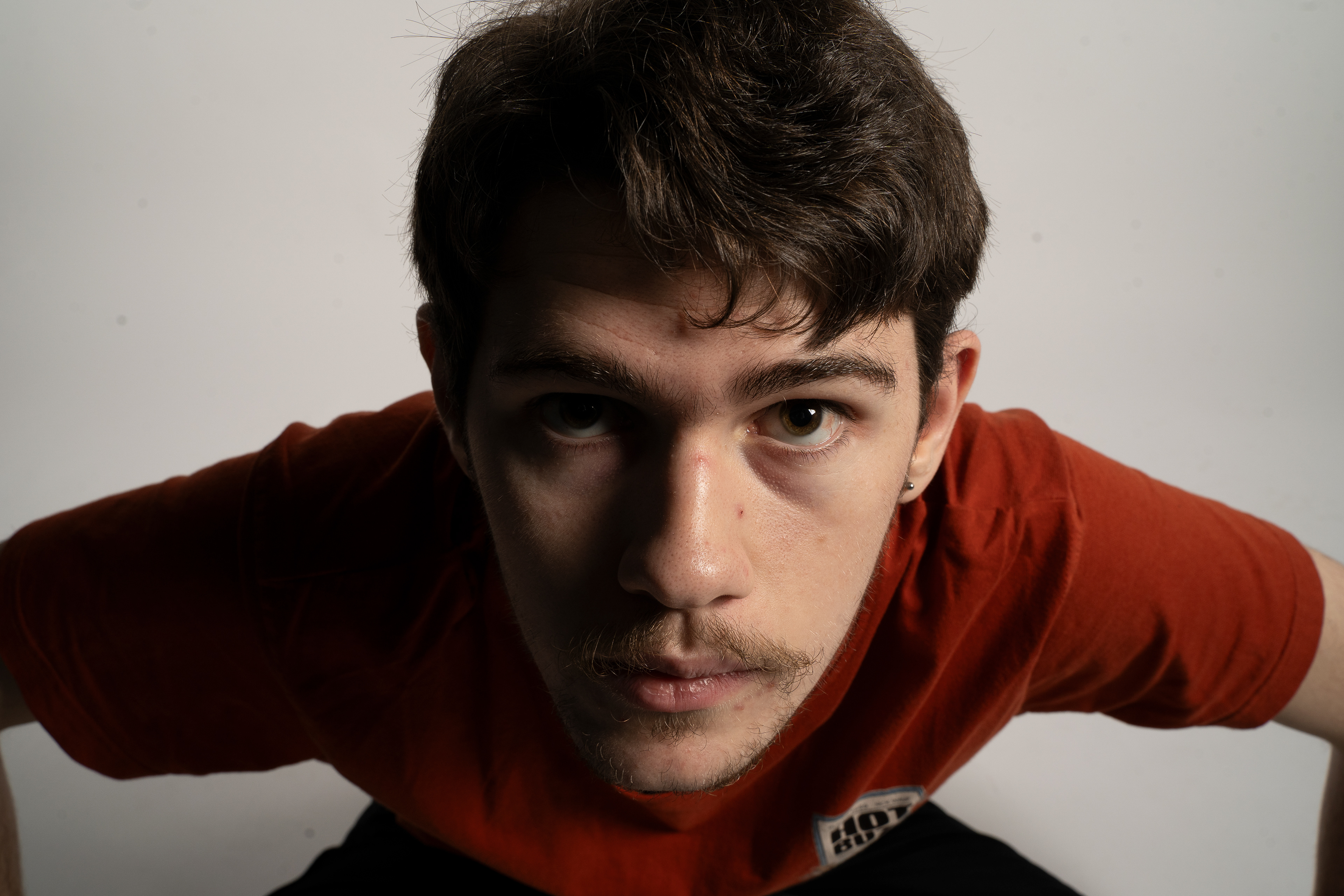
The idea for the shoot is to photograph Chris in a way you can see all of his details in his face, this is because Whilst getting to know Chris I have found he says what he thinks a lot of the time. So I am going to go for a type of photograph that lets you see his entire face in close detail, but, I am going to get him to cover one eye with his hand as to show that there are details of him that he will not show outwardly and he has things kept to himself as all people do.
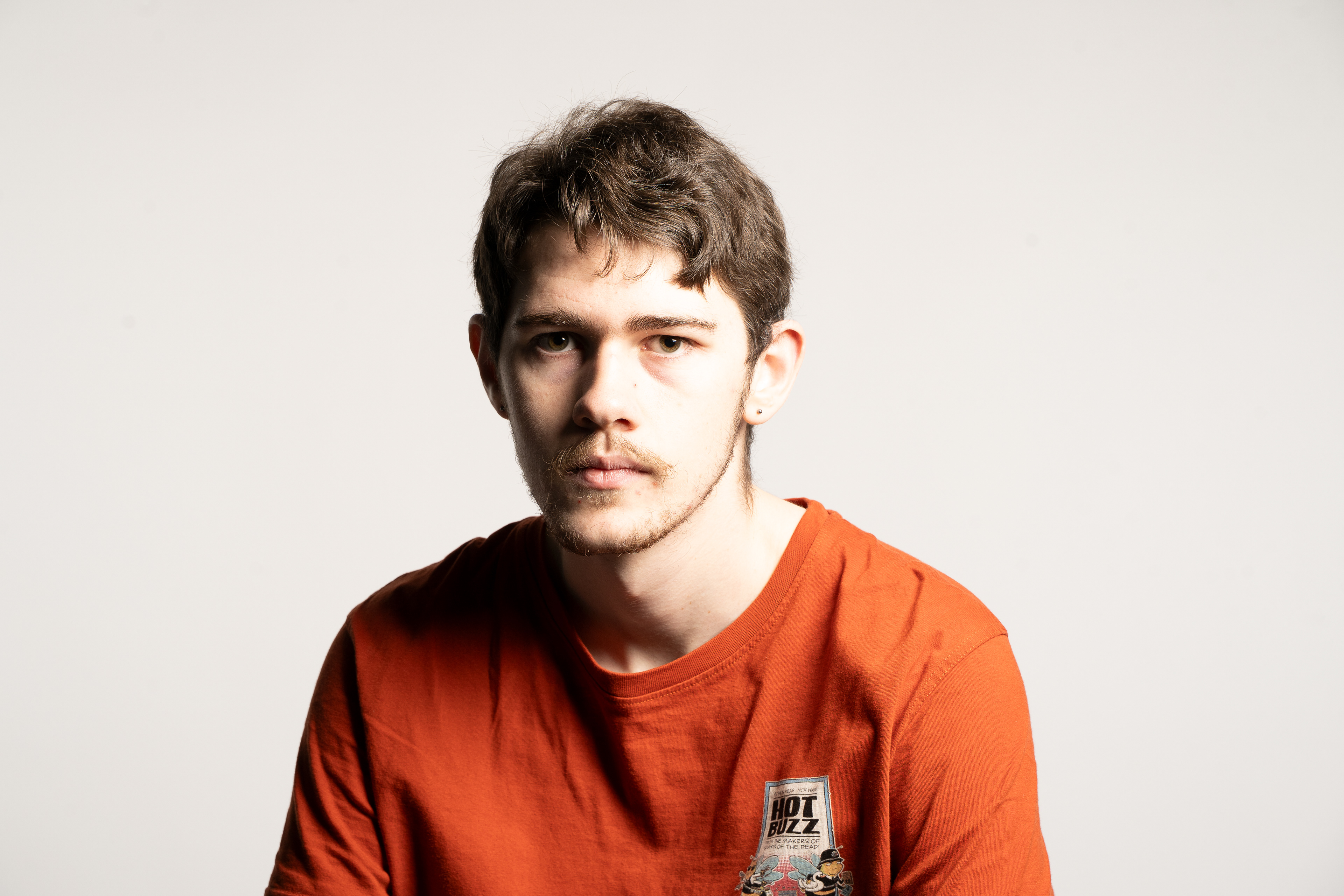
Analogue Shoot
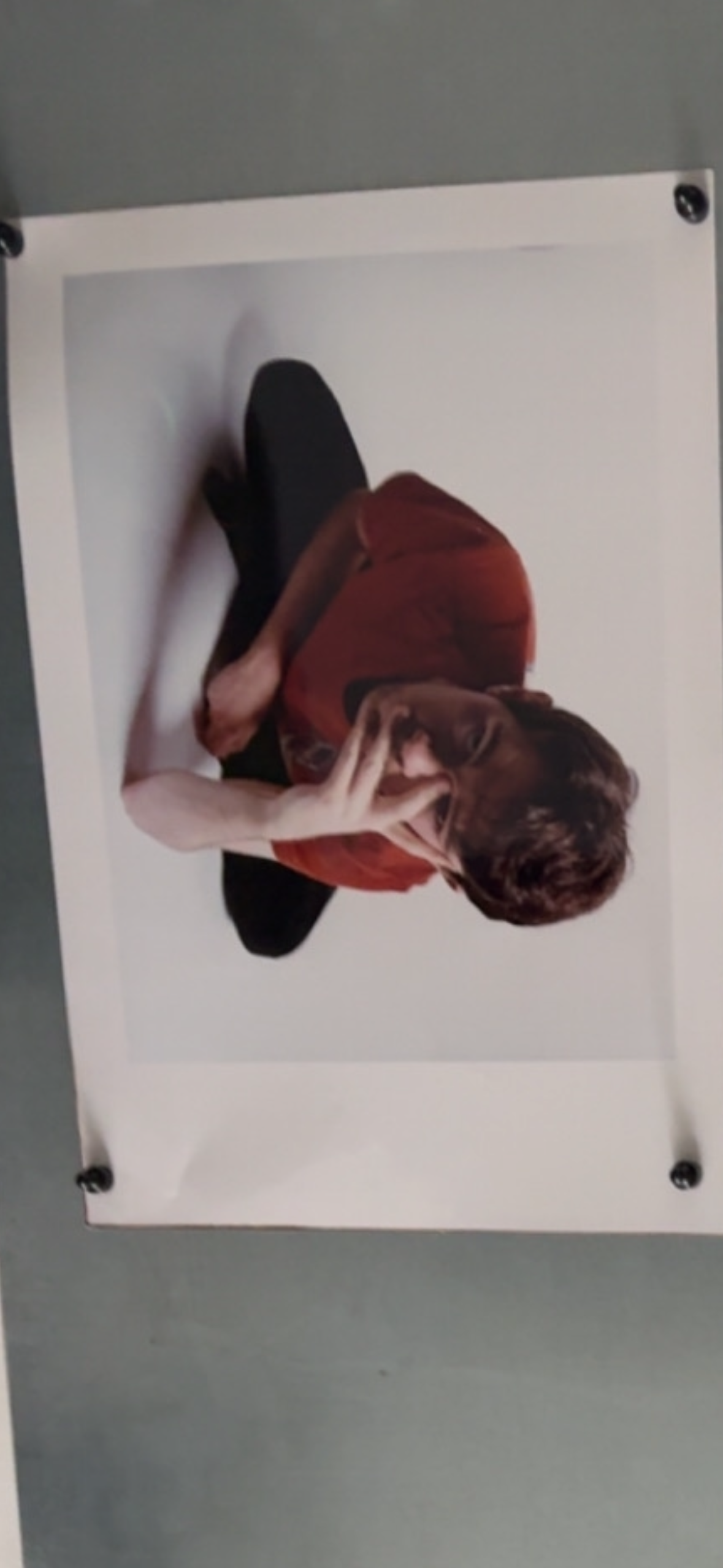
For this shoot i took ten negatives using the whole roll of film but only printed one. This is because I knew exactly what i wanted the image to look like in my mind and got it within the second image. The lighting setup used a key light camera right and 2 lights on the backdrop to make it a clear white. For the poses I went for images very different from normal male images. The poses feel almost feminine in a way with laying down and full body. In the final image the body is tight to the floor and the subject is looking straight at the camera. I think this conveys a sense of uniqueness to the subject. The final image has a tinge of magenta in the shadows which I find brings a warmness to the image which contrasts the posing to show a sense of kindness.
Printing this image I used test strips on 4 second differences, initially ending up at 4 seconds f5.6 changing to 16 seconds f16 to better allow the colours to develop. I also ended up at m55 y35 after the initial image came out too green, then too yellow, finally too cyan so the final adjustments left with just the magenta hue in some of the shadows which ultimately I liked and wanted to keep.
I am happy with this image, I feel as though it captures a glimpse inside of chris' mind as I only gave him details of being close to the camera and covering one eye for posing, the rest he decided to do on his own and allowed me to capture how to interpreted my instructions.